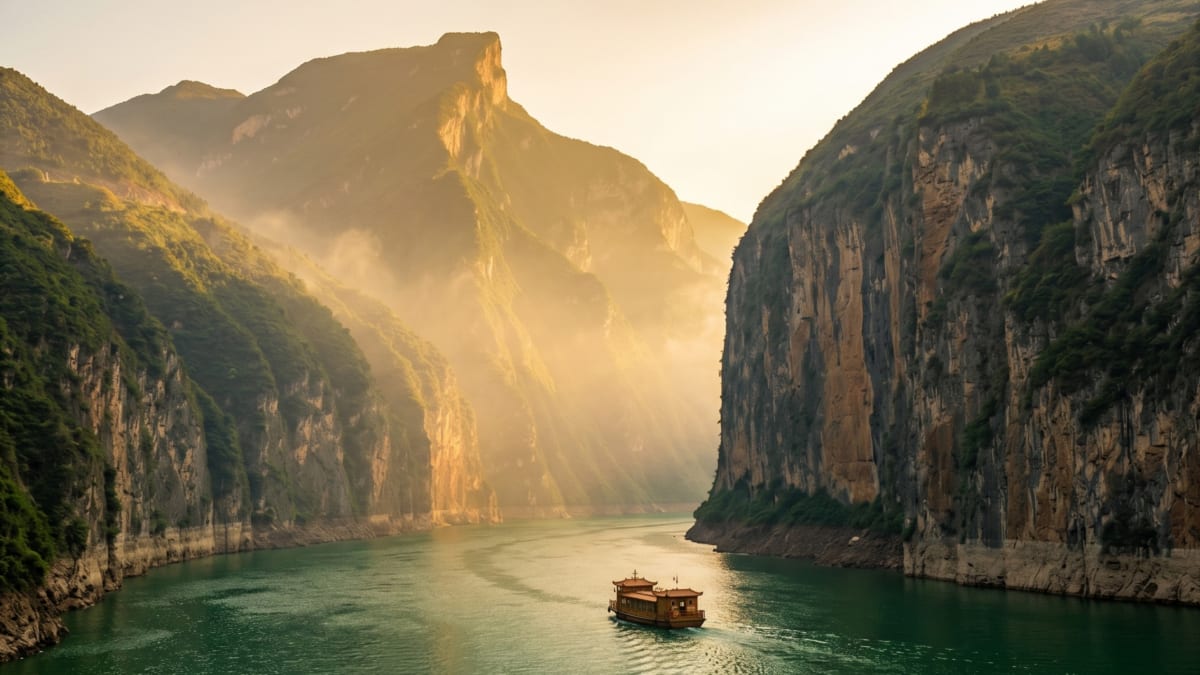
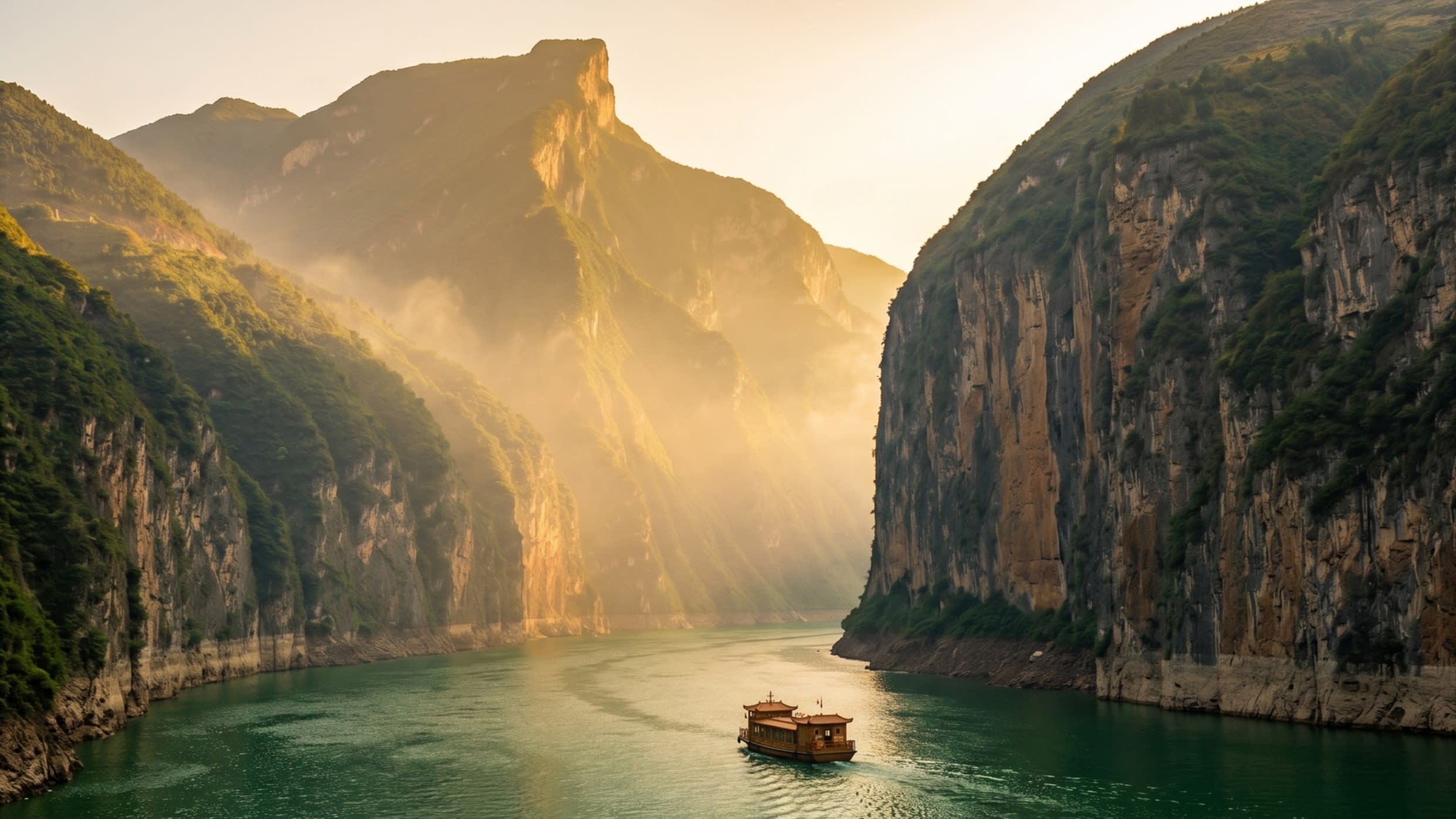
“At dawn I left the walled city of Baidi, amidst many-colored clouds. The thousand-mile journey to Jiangling, I completed in a single day.” — Li Bai, Departing from Baidi in the Morning (759 AD)
In 2026, traveling through China is no longer just about checking off landmarks; it is about seeking ‘Cultural Resonance’ (文化共鸣 - wénhuà gòngmíng). There is no place where this resonance vibrates more deeply than the Yangtze Three Gorges (长江三峡 - chángjiāng sānxiá). While the world often reduces the Yangtze to its colossal dam, the 2026 curator seeks the river’s true soul—the narrow, emerald gaps, the swirling mists, and the lingering echoes of Li Bai (李白), the ‘Immortal Poet.’ As a curator of the ‘Real China’, I invite you to step away from the digital noise and sail into a landscape that remains a living, breathing ink-wash painting.
The 2026 “Poetry Corridor”: Why Now?
For decades, the Three Gorges were experienced through the glass windows of massive cruise ships. But in 2026, the final completion of the Zheng-Wan High-Speed Rail (郑万高铁 - zhèng wàn gāotiě) has fundamentally rewritten the rules of engagement. You can now reach the ‘City of Poetry,’ Fengjie (奉节), in just a few hours from the urban pulse of Chongqing or Wuhan.
Whether you are a scholar of Chinese aesthetics or a traveler simply seeking a ‘Soul Reset,’ the Gorges offer a perfect, albeit sometimes jarring, blend of high-tech efficiency and ancient serenity. It is a place where young travelers are redefining the experience. As they say in 2026, “Going to the Gorges isn’t just for senior tour groups anymore. Taking the HSR to Fengjie to ‘check-in’ (打卡 - dǎ kǎ) at Baidi City has become a major ‘Guochao’ (国潮 - trend of reviving traditional culture) movement. Finding that moment of clarity where ‘the light boat has already passed ten thousand mountains’ (轻舟已过万重山 - qīng zhōu yǐ guò wàn chóng shān) is truly exhilarating.”
Stop 1: Baidi City – The Gateway of Clouds (白帝城)
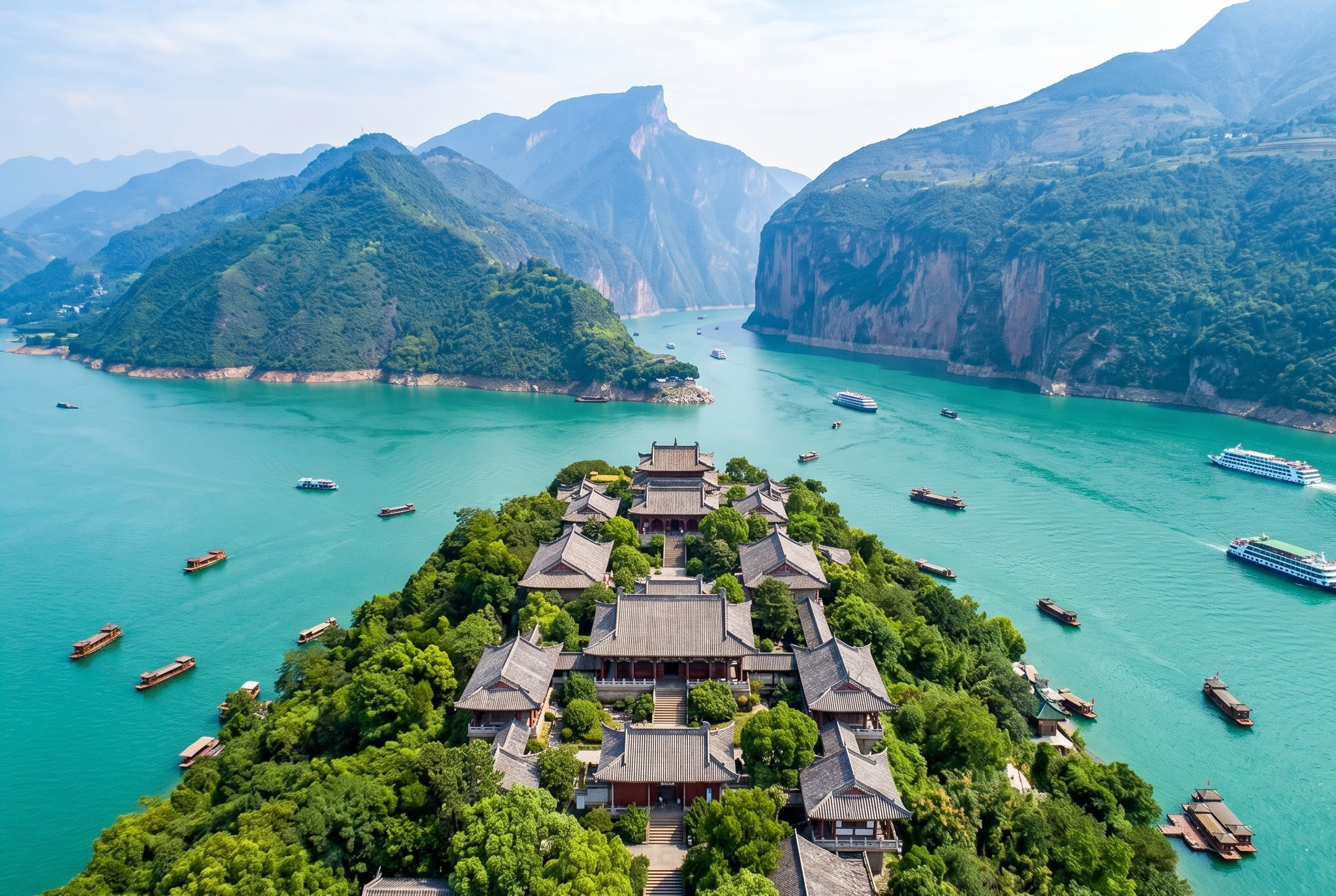
Your journey must begin at Baidi City in Fengjie. This 5A scenic spot is where Li Bai famously penned his verses after being pardoned from exile, his heart finally lightening as he floated downriver.
In 2026, while a modern pedestrian bridge makes access easy, I still prefer arriving by a small, weathered wooden ferry at dawn. When the ‘many-colored clouds’ (彩云 - cǎiyún) catch the morning light against the traditional pavilions, you begin to grasp the manic, ecstatic speed with which Li Bai felt he could traverse this landscape. If you catch a local poetry recital—often held on bamboo-slat stages—the rhythmic, tonal nature of the Chinese language against the rushing river is profoundly hypnotic, even if you don’t understand the words.
Stop 2: Qutang Gorge & Kui Gate – The 10 RMB View (瞿塘峡与夔门)
As you sail east from Baidi City, you enter Qutang Gorge. At just 8 kilometers long, it is the shortest of the three gorges, yet it possesses a drama that feels almost claustrophobic in its intensity.
This is the home of Kui Gate (夔门 - kuímén), the towering vertical cliffs that slice the river in two. If you look at the back of a 10 RMB note, you are staring at this very silhouette. Today, the park utilizes advanced ‘Tyndall Effect’ forecast systems, which are a blessing for photographers, alerting us exactly when the sun will break through the canyon mist. Standing here, I am always struck by how nature acts as the ultimate ‘curator.’ That atmosphere of ‘monkeys chattering on both banks’ (两岸猿声啼不住 - liǎng àn yuán shēng tí bù zhù), combined with the sudden, sharp chill of the canyon breeze, creates a sensory escape that makes the summer heat feel like a distant memory. It is the absolute ‘ceiling’ (天花板 - tiān huā bǎn) for a summer getaway.
Stop 3: Wu Gorge – The Eternal Mist (巫峡)
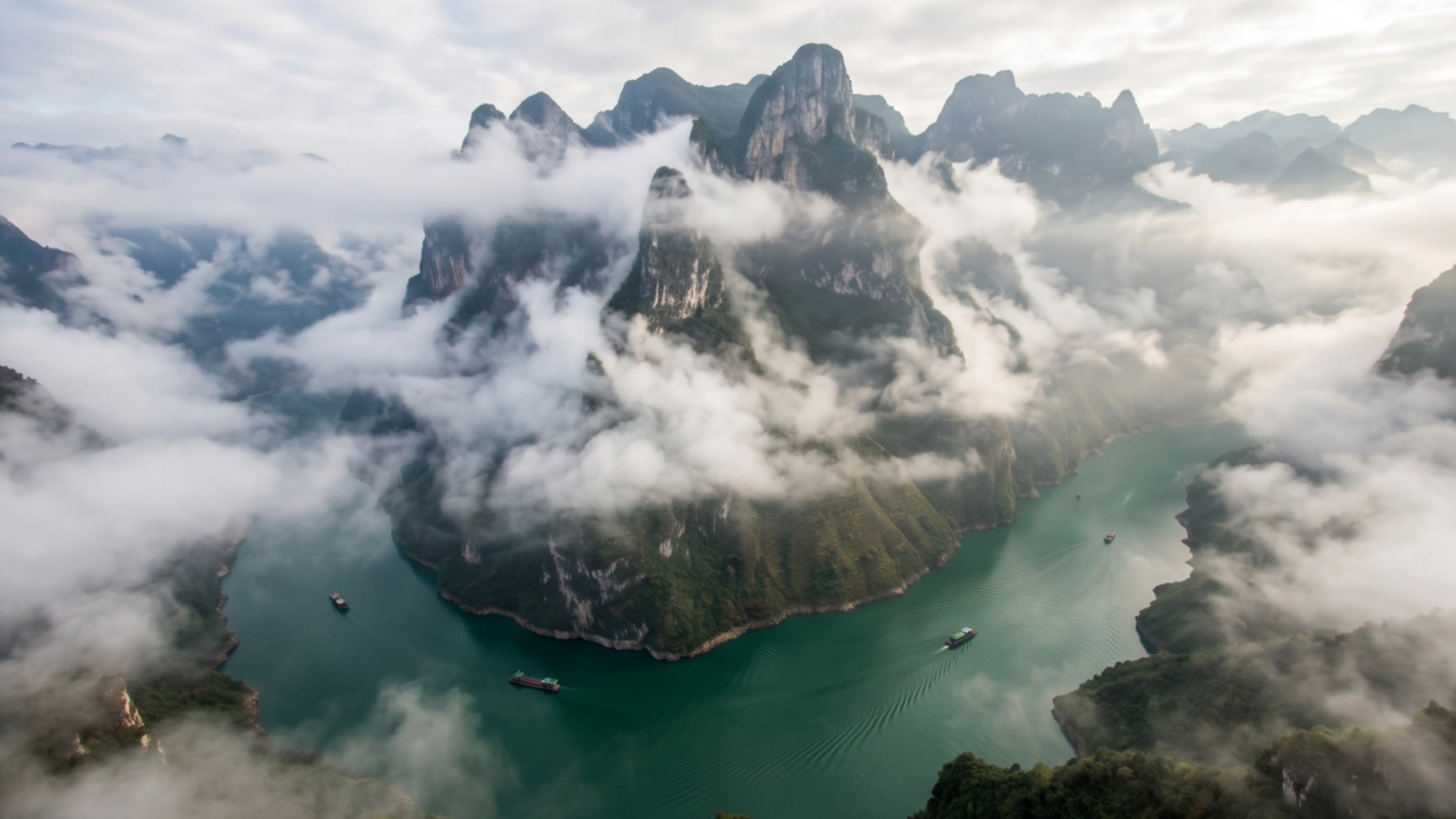
While Qutang is defined by its sheer, jagged power, Wu Gorge is defined by its ethereal beauty. It is the home of the legendary Twelve Peaks, the most famous being the Goddess Peak (神女峰 - shénnǚ fēng).
The Chinese idiom “The clouds of Wu Mountain” (巫山云雨 - wūshān yúnyǔ) describes a beauty that is almost dreamlike and supernatural. In 2026, the local authorities have constructed incredible eco-walkways that cling to the cliffs, allowing you to effectively walk within the mist itself. If you find the July sun too punishing, I highly recommend the ‘Night Cruise’ (夜游三峡 - yèyóu sānxiá), where 3D light projections breathe life into the canyon walls, retelling the ancient myths of the river.
Fueling the Voyage: Stone-Pot and River Spices
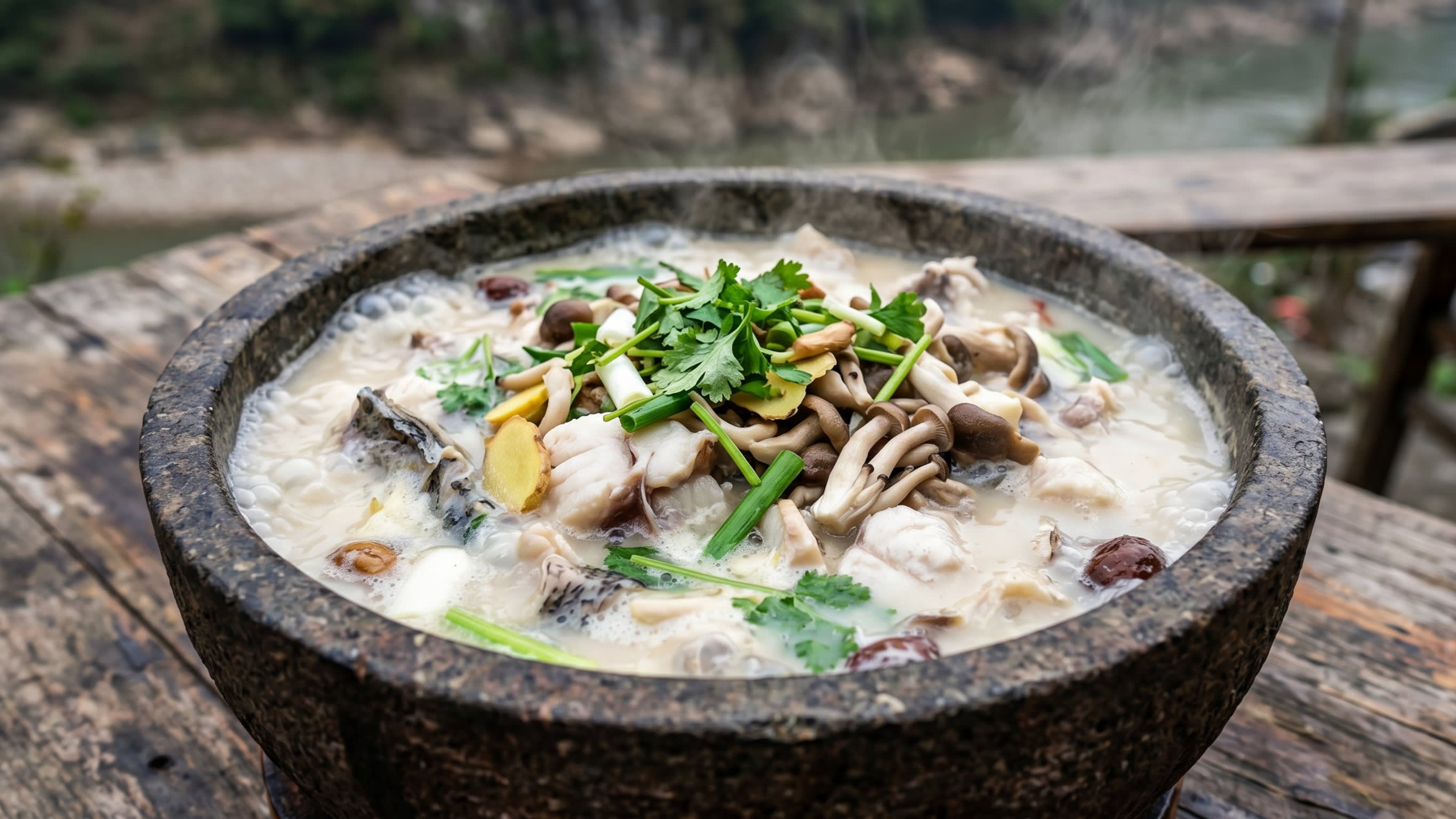
While Li Bai is celebrated for his love of wine, the true culinary star of the Yangtze is the local river harvest. You haven’t truly experienced the region unless you’ve sat down for Stone-Pot Fish (石锅鱼 - shíguō yú). The fish is prepared in a specialized volcanic stone pot, which maintains an incredibly even heat, transforming the soup into a creamy, silk-like broth. Pairing this with fresh, garlic-infused pea sprouts provides the essential ‘Freshness’ (鲜 - xiān) that revitalizes you after a day of hiking. In Fengjie, finding a local eatery serving this with fresh mountain spring water is a ‘vibe of life’ (烟火气 - yān huǒ qì) that makes the journey authentic (地道 - dìdào). To ensure your home kitchen can handle these heat levels, I often recommend using a high-quality carbon steel wok for your stir-fries to replicate that restaurant-grade sear.
The 2026 “Light Boat”: HSR and Beyond
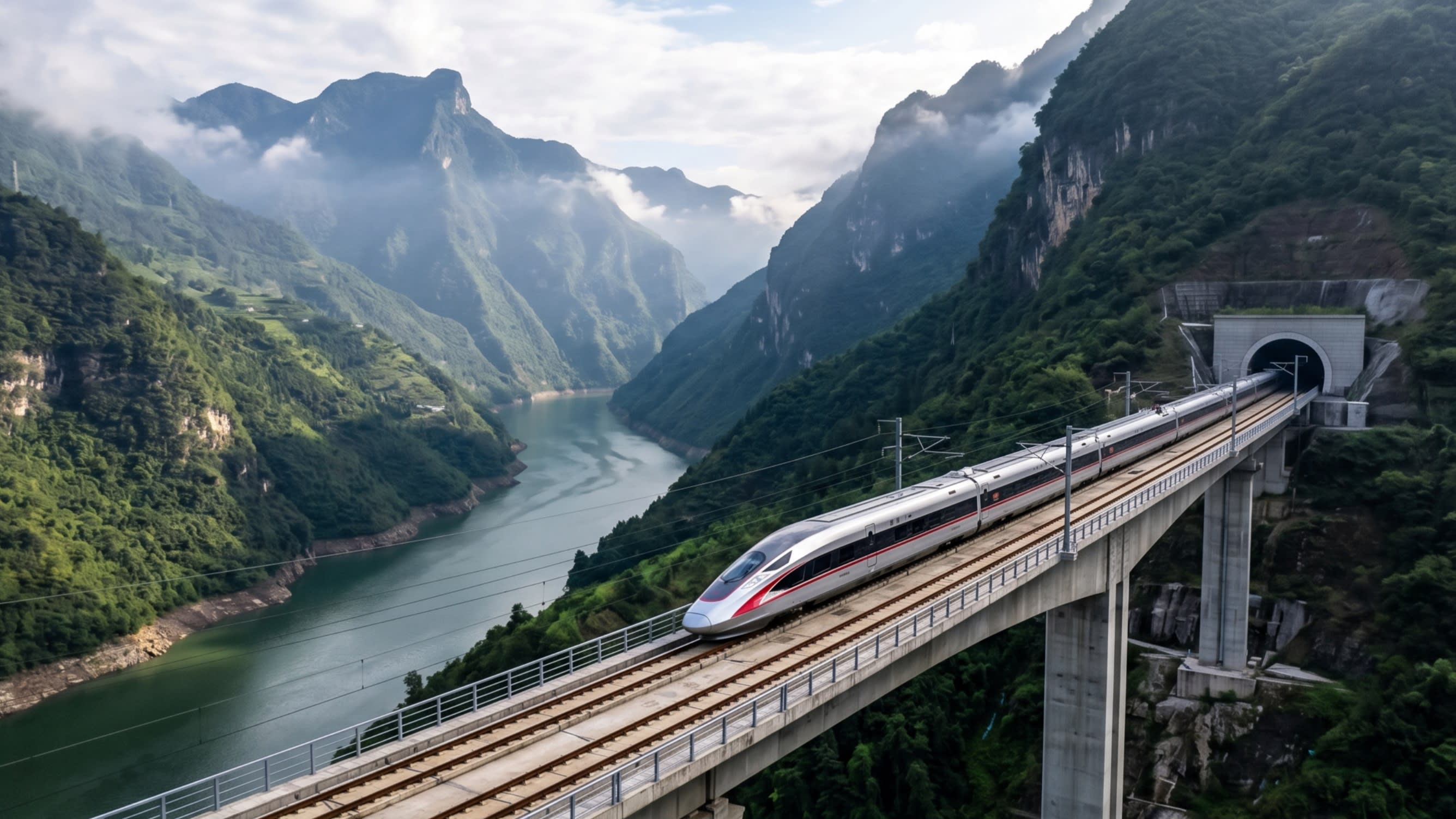
The ‘Light Boat’ (轻舟 - qīngzhōu) that Li Bai immortalized has found its modern equivalent in the G-Series High-Speed Rail. The stretch between Chongqing, Fengjie, and Wushan offers vistas that rival the river cruise itself. For those looking to master this trip like a local, I suggest a hybrid strategy: take the HSR to Fengjie to save time, engage a private boat through the Qutang Gorge for that intimate, poetic experience, and then resume your rail journey. It is the ultimate 2026 ‘time-travel’ hack for those on a tight schedule.
Traveler’s Language Survival Table (Poetry Edition)
Final Thoughts from Zihan
Sailing through the Three Gorges in 2026 serves as a poignant reminder that while water levels shift and rail speeds increase, the profound emotions Li Bai felt 1,300 years ago remain untouched. When the morning mist grazes your face at Kui Gate, you cease to be merely a tourist; you become a participant in the poetry.
My final bit of advice is this: do not rely solely on your camera. Commit the first four lines of Departing from Baidi in the Morning to memory, and recite them aloud as your boat cuts through the mouth of the gorge. In that singular moment, the ten thousand mountains cease to be just scenery—they become your companions. Before your journey, ensure you are packed for the high humidity of the river; a reliable, lightweight windbreaker is essential for those misty, early morning ferry rides. Remember to utilize Fengjie Station as your primary anchor point, and if you are interested in the Three Gorges Night Show, ensure you book through the official WeChat mini-program at least 72 hours in advance, as the best seats vanish quickly. Finally, please respect this sensitive ecological zone by keeping to the trails and avoiding chemical sunscreens when swimming, as keeping this water pristine is a shared responsibility for all travelers.
Disclaimer: As an Amazon Associate, ChinaCurator earns from qualifying purchases.