“There is a primitive magic in watching a cold piece of wood or bamboo transform under the touch of fire. In 2026, the global traveler isn’t just looking for a postcard; they are looking for ‘Cultural Resilience’ (文化韧性 - wénhuà rènxìng). In the quiet corners of China’s 5A national parks, two ancient arts—Pyrography (烙画 - làohuà) and Bamboo Carving (竹雕 - zhúdiāo)—are bridging the gap between fire, nature, and the digital soul. As curators of the profound, we invite you to smell the smoke and feel the grain.”
The 2026 “Heritage Pivot”: Why Artisanal Art Matters Now
In 2026, as AI-generated art fills our screens, the value of the ‘Imperfection of the Hand’ (手作之美 - shǒuzuò zhī měi) has skyrocketed. Travelers are increasingly flocking to 5A Scenic Areas (5A级景区 - 5A jí jǐng qū) not just for the landscape, but for the ‘Live Heritage’ workshops hidden within them.
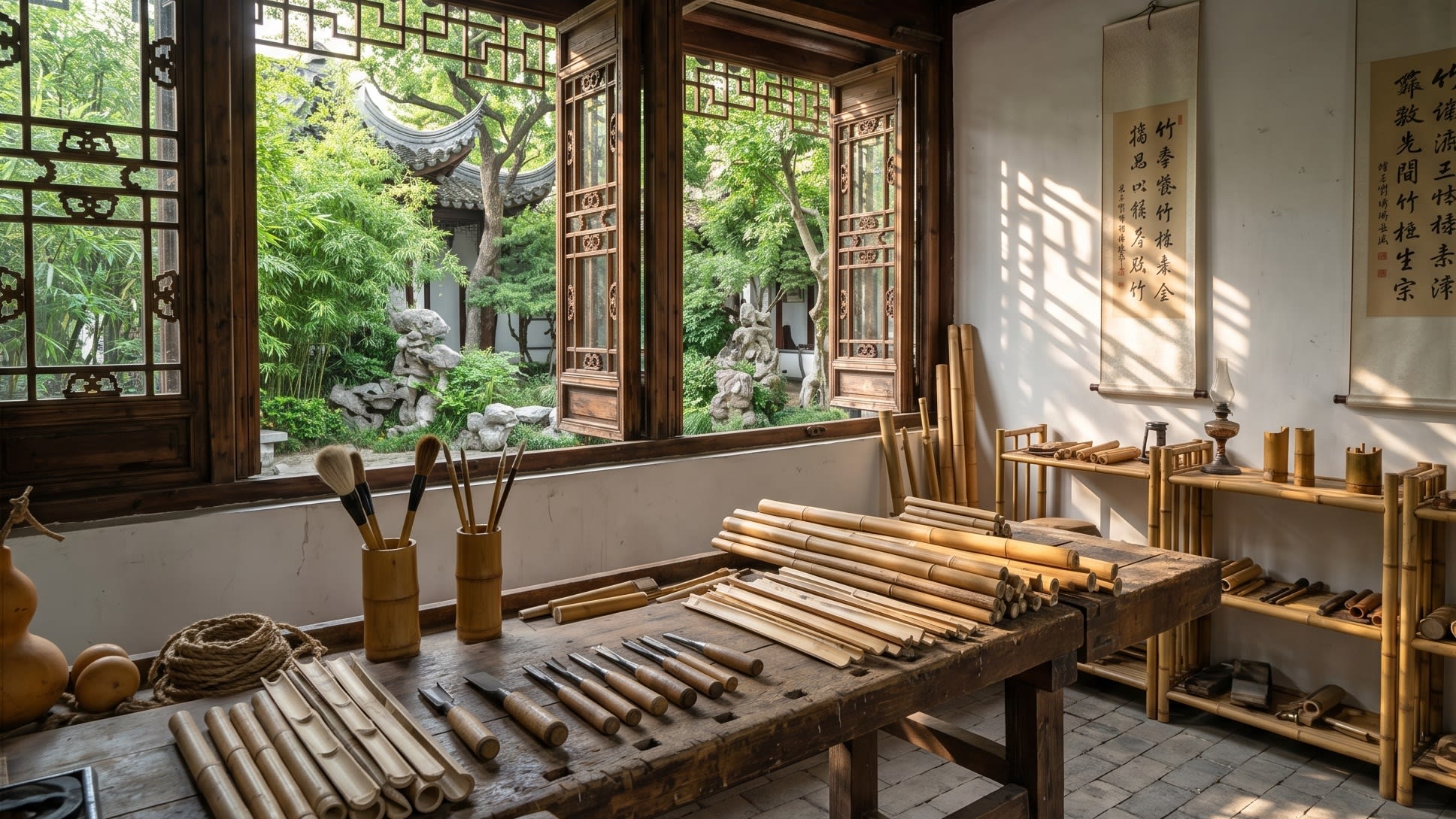
Whether you are a student exploring the limits of traditional materials or a traveler seeking a ‘Mindful Reset,’ these crafts offer a tactile connection to the Earth. Thanks to the ‘2026 Cultural Revitalization’ project, many 5A sites now host resident masters who allow you to try the tools yourself—safely, under the shade of a thousand-year-old pine. If you are planning your own pilgrimage to these sites, ensure your gear is ready; I personally recommend investing in a high-quality travel journal to document these sensory experiences as you wander through the Anhui bamboo forests.
- Native View: “2026年,如果你的朋友圈还在发那种流水线的纪念品,那真的太落伍了。现在的趋势是去山里寻访那些‘非遗’ (fēiyí) 大师。看他们在木头上‘以火代笔’,或者在竹竿上雕刻出整个‘江山如画’。那种‘匠心’ (jiàngxīn) 带来的震撼,真的是绝绝子 (jué jué zi)。这不仅仅是手艺,更是一种‘松弛感’ (sōngchígǎn) 的修行。” (In 2026, if you’re still sharing mass-produced souvenirs on your WeChat Moments, you’re totally behind the times. The current trend is to venture into remote mountain villages to seek out masters of intangible cultural heritage. You can watch them wield fire as a brush to create artwork on wood, or carve an entire picturesque rivers-and-mountains scene onto bamboo poles. The awe inspired by their devoted craftsmanship is absolutely stunning. This is far more than just handicraft — it’s a practice of nurturing a laid-back, unhurried state of mind.)
Pyrography: The Art of Writing with Fire (烙画)
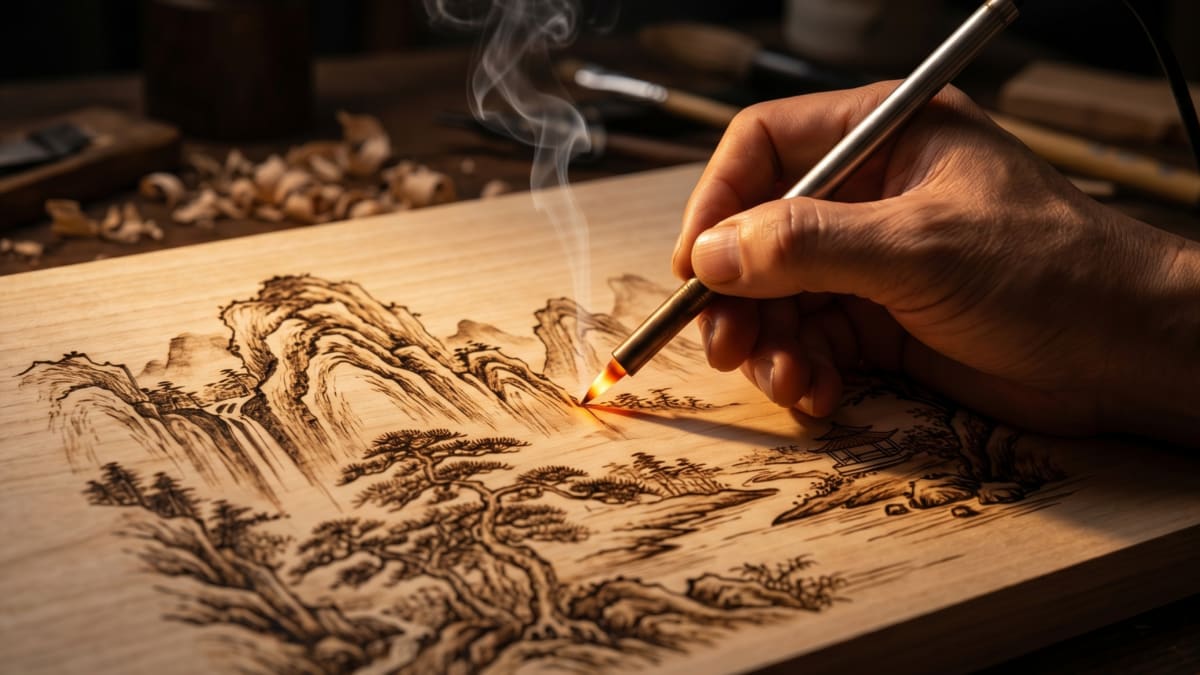
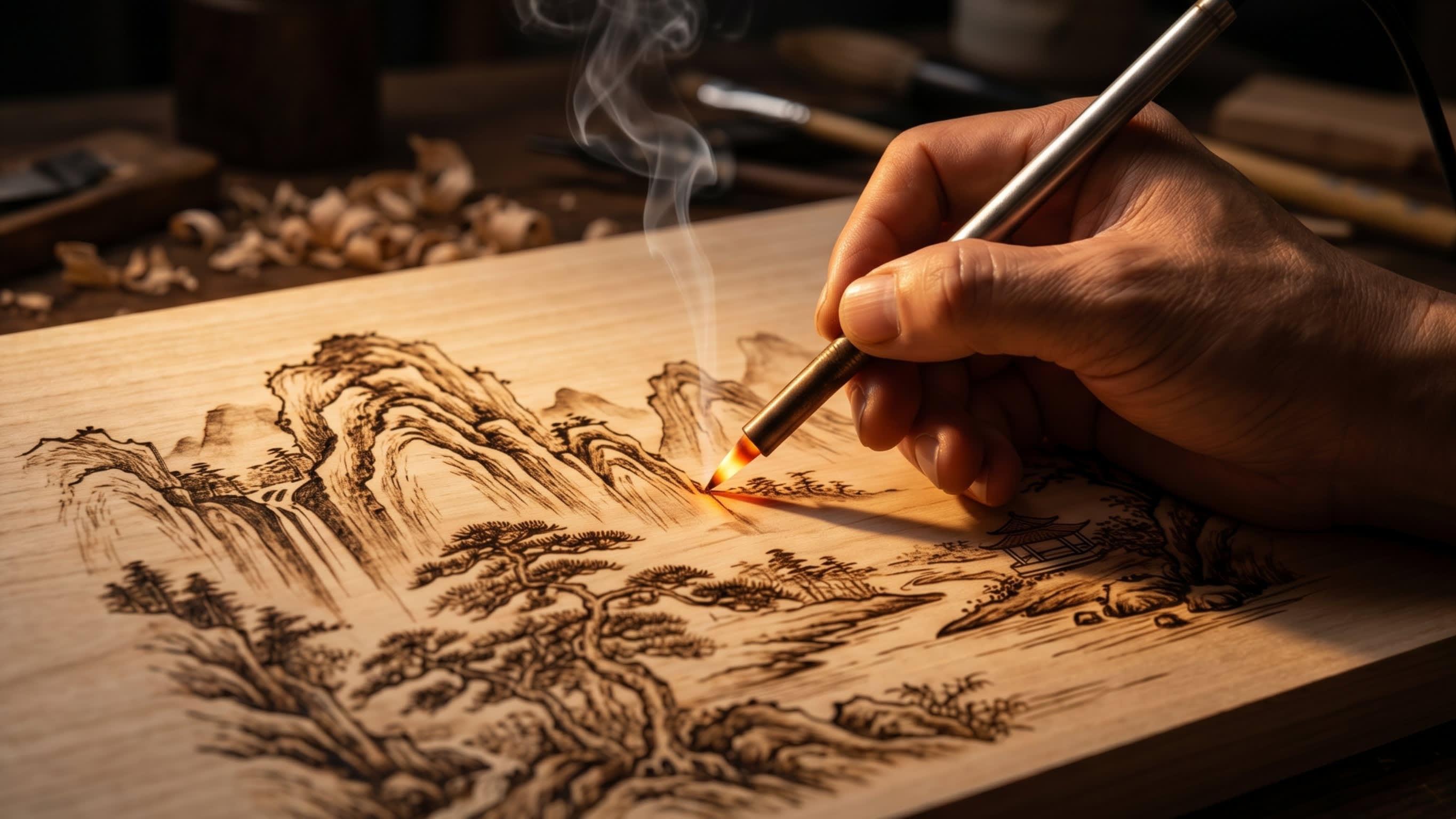
Pyrography, literally ‘fire-writing,’ uses heated iron tools to create varying shades of brown and black on wood or silk. It is a process that demands absolute patience. Unlike a pen, which can be erased, fire leaves a permanent mark.
1. The Incandescent Brush
In 2026, high-end pyrography has moved away from simple patterns to ‘Photorealistic Landscapes’. The master must control their breathing—one second too long and the wood burns; too fast and the line fades. It is a dance between the heat of the iron and the cellulose of the wood.
- Where to Experience: While Nanyang is the historic home, the Yellow Mountain (黄山 - huángshān) 5A area has become a hub for ‘Mountain-Cloud Pyrography’. Artisans here use the local misty peaks as their primary inspiration, often spending weeks on a single wooden plaque.
- The Senses: The scent of toasted cedar or maple filling the workshop is a natural aromatherapy that instantly grounds you in the moment. It smells sharp, earthy, and warm—a stark contrast to the sterile air of modern cities. If you want to try this at home, consider looking into a professional wood burning kit, though be warned: replicating the masters of Huangshan takes years of practice.
Bamboo Carving: The Gentleman’s Material (竹雕)
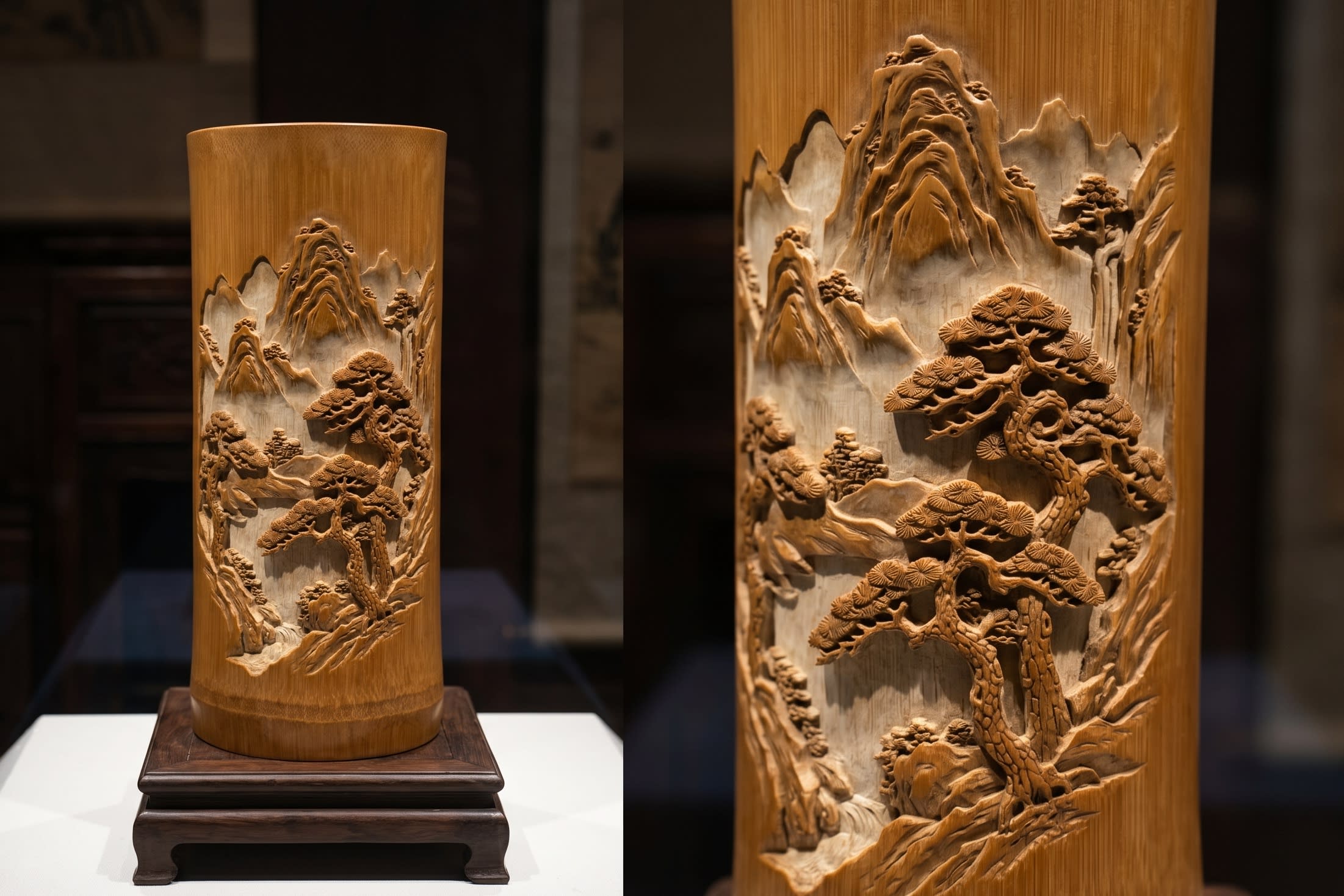
In Chinese culture, bamboo represents the ‘Gentleman’—resilient, humble, and upright. Bamboo carving takes this raw material and turns it into intricate, layered reliefs.
1. From “Sea of Bamboo” to Masterpiece
In 5A sites like Anji Bamboo Sea or the Suzhou Gardens, you can witness the ‘Stay-Green’ (留青 - liúqīng) technique. Here, the artist carves through the thin green skin of the bamboo to reveal the pale yellow meat beneath, creating a natural two-tone painting without a drop of ink.
- The 2026 factor: In 2026, many bamboo masters are collaborating with modern designers to create ‘Aesthetic Home-ware’—items that fit into a minimalist high-tech home but carry the soul of the 17th century. It is this tension between the old and new that makes the experience so profound. For those interested in the historical context of these crafts, I highly recommend reading my guide on Suzhou garden culture.
- Native View: “竹雕最讲究‘意境’ (yìjìng)。那种‘留白’ (liúbái) 的艺术,能让你看出一整片森林。这里的‘避雷’ (bìléi) 指南:千万别在景区门口买那种十块钱一把的机器刻竹扇,一定要去山里的匠人工作室看纯手工的。那种‘高级感’ (gāojígǎn) 是一眼就能看出来的。” (Bamboo carving cares most about artistic feeling. The art of blank space lets you imagine a whole forest. Here are tips to avoid bad buys: Never buy 10-yuan machine-carved bamboo fans at scenic spot gates. Go to craftsmen’s studios in the mountains for truly hand-made pieces. You can see their fine quality right away.)
Craft Experience Comparison Matrix (2026 Edition)
| Craft Name | Best 5A Location | Sensory Experience | Effort Level |
|---|---|---|---|
| Pyrography (烙画) | Huangshan (Anhui) | Charred wood & warmth | High (Precision Heat) |
| Stay-Green (留青) | Suzhou Gardens | Tactile bamboo fiber | Extreme (Delicacy) |
| Bamboo Relief | Anji Bamboo Sea | Visual Depth | Medium |
Step 3: Fueling the Artisan Spirit – Jiangnan Tea & Treats
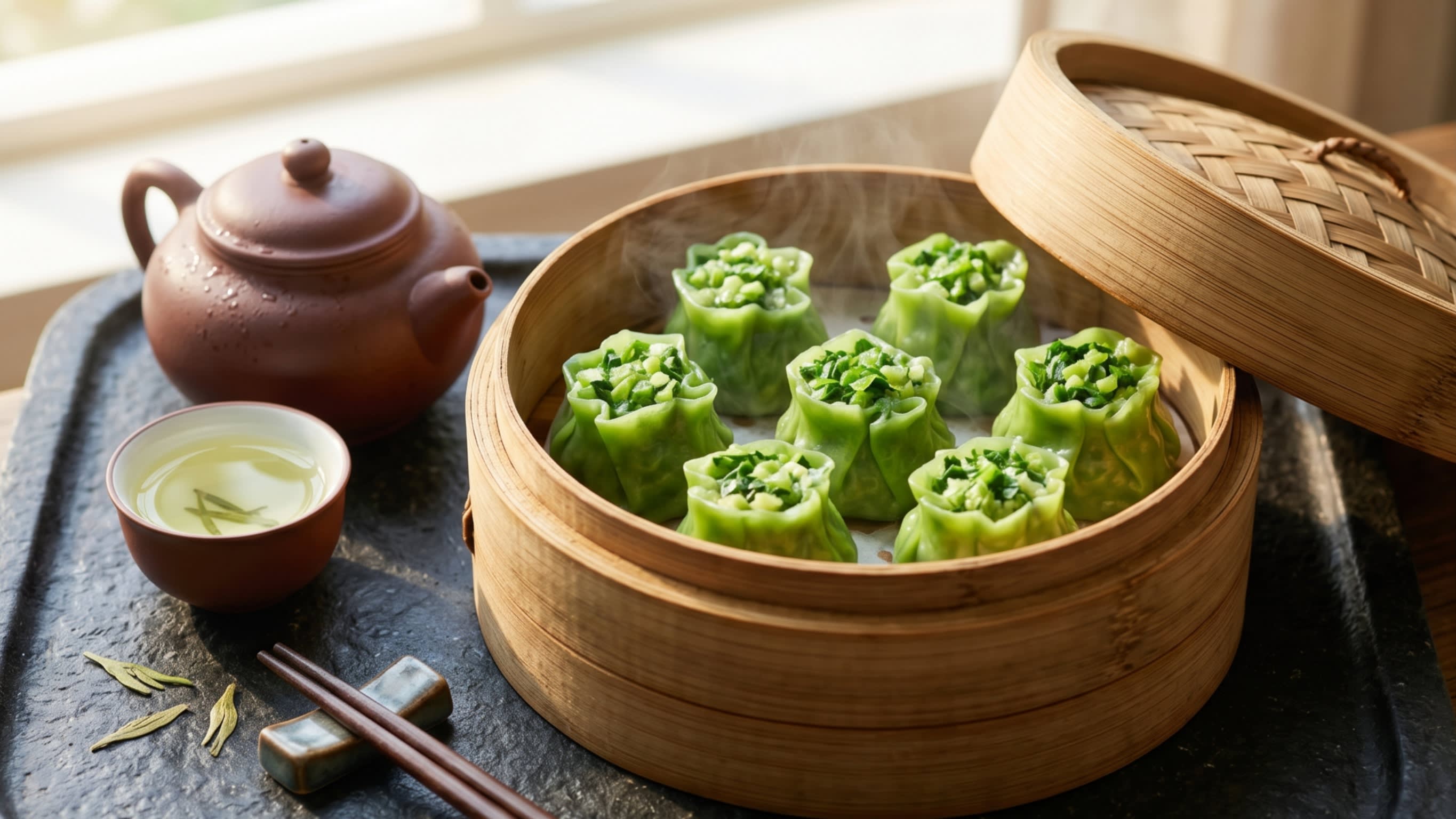
When you are deep in the Suzhou or Hangzhou 5A areas, your palate needs to be as refined as the carvings you are viewing. If you are preparing for a long day of watching artisans, I suggest carrying a thermos—a high-quality stainless steel travel mug—to keep your Longjing tea at the perfect temperature as you move between studios.
- Emerald Vegetable Dumplings (翡翠烧麦 - fěicuì shāomài): The thin skin and bright green filling mirror the look of a bamboo forest.
- Longjing Tea: The ultimate ‘Palate Cleanser’ (清口 - qīngkǒu). The chestnut notes help you focus on the delicate details of the art.
- Native View: “看手艺活儿急不得。一定要配上一壶好茶,点几个地道 (dìdào) 的苏式点心。这种‘慢节奏’ (mànjiézòu) 的‘烟火气’ (yānhuǒqì) 才是旅行中最治愈感 (zhìyùgǎn) 的时刻。你会发现,这些美食和那些工艺品一样,都是有‘灵魂’的。” (Don’t rush when watching handwork. Be sure to have a pot of good tea and some real Suzhou snacks. This slow, warm daily feeling is the most comforting part of your trip. You will find these delicious foods have their own soul, just like the handcrafts.)
Exploring the Source: Into the Bamboo Sea
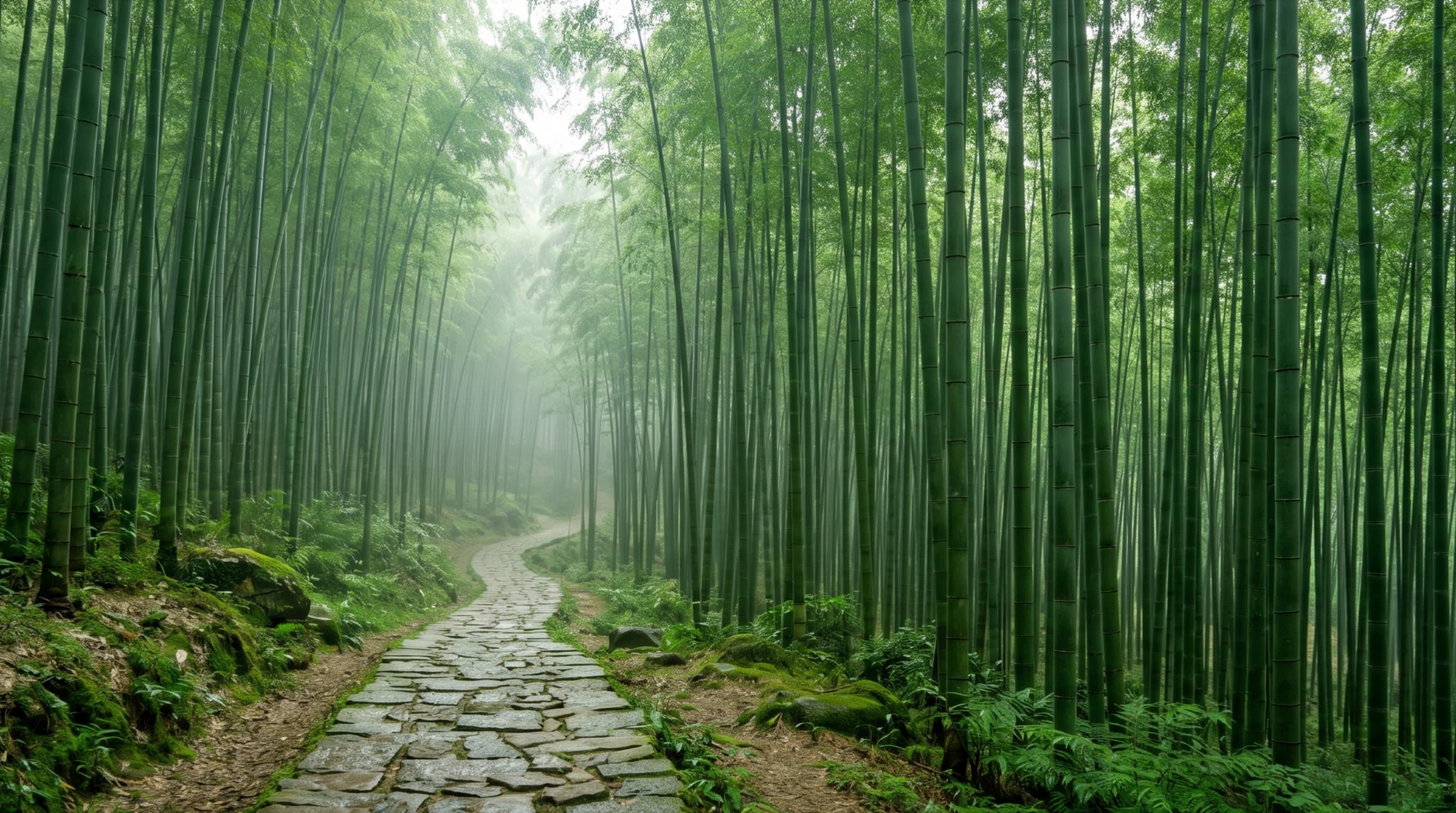
To understand the art, you must see the source. In 2026, the Anji Bamboo Sea (安吉大竹海 - ān jí dà zhú hǎi) has introduced ‘Silent Trails’. Walking these paths, where digital devices are discouraged, offers a chance to recalibrate the soul. You hear the creaking of tall stalks swaying in the breeze—a sound that has inspired centuries of poets and carvers alike.
Many master carvers spend their mornings in these exact forests, selecting the specific culms that have grown in the right light, ensuring the density of the bamboo will withstand the delicate pressure of their steel blades. It is a reminder that the object you hold in your hand started as a living, breathing part of the landscape.
Final Thoughts from the Curator
Witnessing Pyrography and Bamboo Carving in 2026 is a masterclass in ‘Presence’. When you watch an artisan navigate the heat of an iron or the resistance of bamboo, you realize that history isn’t just in books—it’s in the muscles and the intuition of the artist. My advice? Don’t just buy the finished piece. Spend an hour watching the process. Let the smoke of the pyrography and the mist of the bamboo forest clear your mind. In China’s 5A parks, the best “souvenir” isn’t what you carry in your bag; it’s the newfound appreciation for the speed of the hand and the patience of the spirit. Before your trip, be sure to brush up on social etiquette regarding gifting to ensure that if you do buy a piece, you know how to handle the treasure with the respect it deserves.
Disclaimer: As an Amazon Associate, ChinaCurator earns from qualifying purchases.