
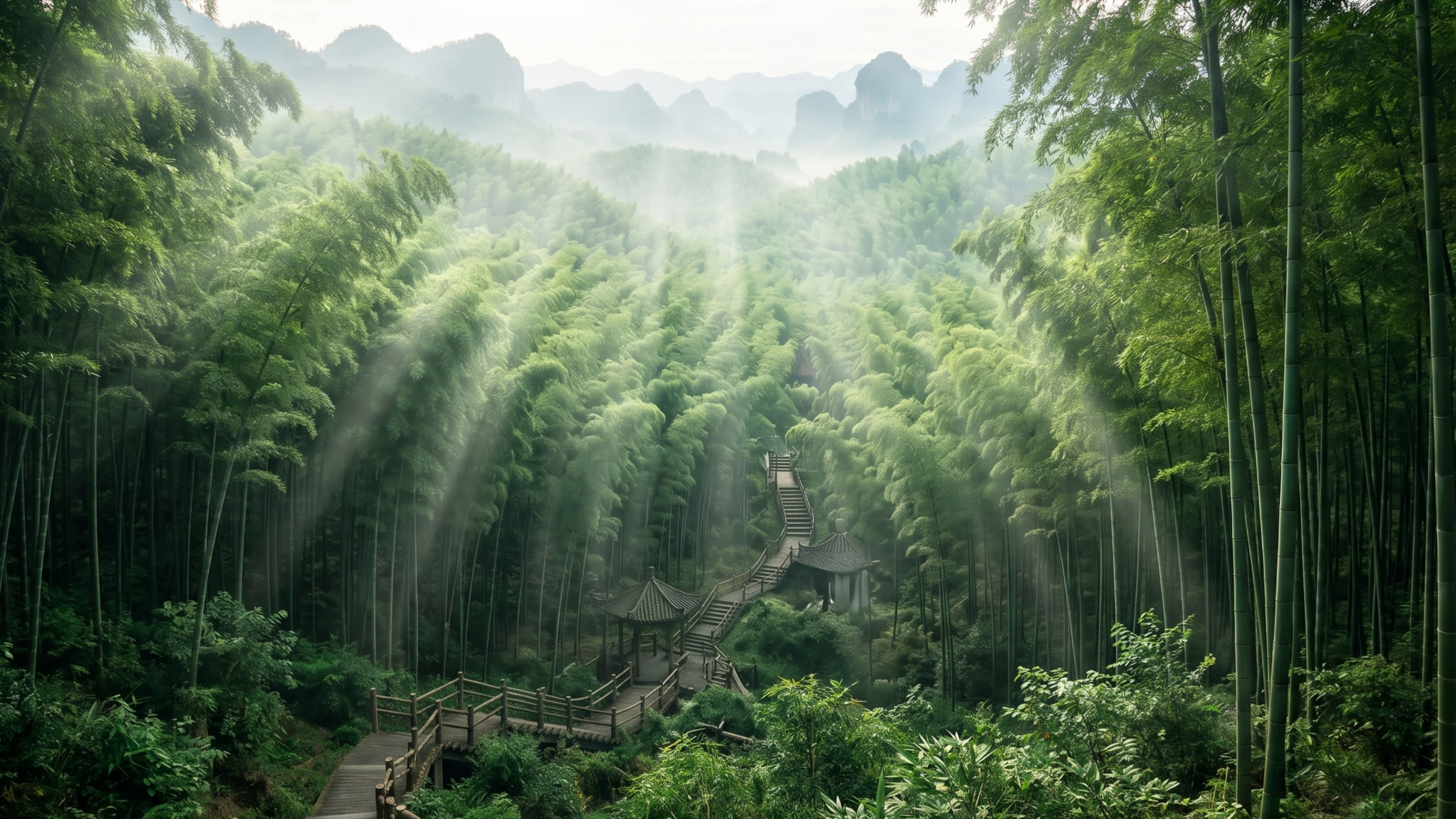
In 2000, Ang Lee gifted the world a dream of emerald stalks and gravity-defying warriors. Watching Crouching Tiger, Hidden Dragon feels less like watching a movie and more like stepping into a trance. Today, that cinematic dream remains strikingly alive in the mist-veiled hills of Anhui (安徽 - ānhuī). For those of us chasing the soul of Wuxia in 2026, a pilgrimage to the Mukeng Bamboo Sea (木坑竹海 - mùkēng zhúhǎi) and the ancient village of Hongcun (宏村 - hóngcūn) is an essential journey—a literal descent into a living ink wash painting.
The Huizhou Aesthetic: Beyond the Silver Screen
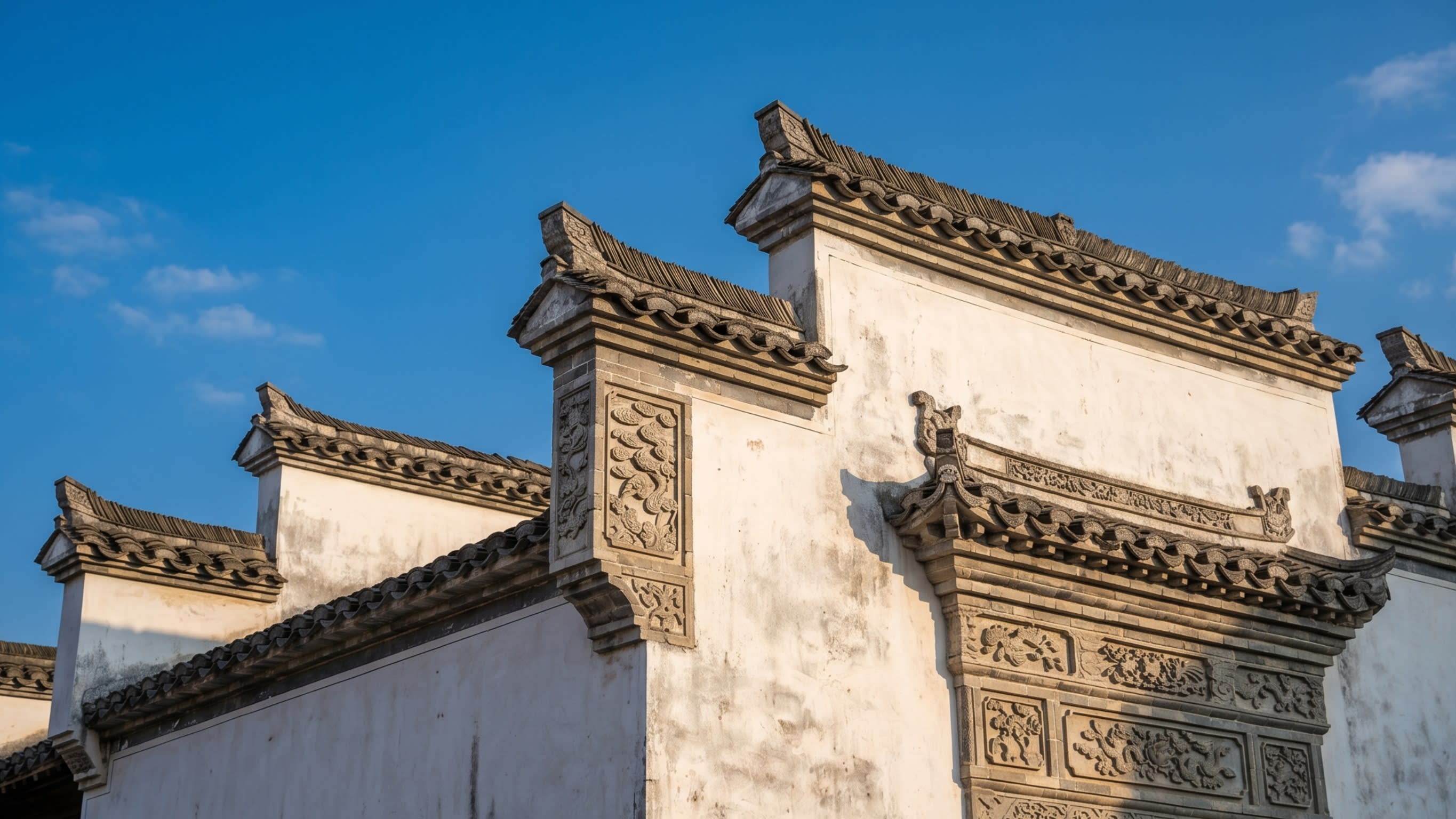
The Huizhou (徽州 - huīzhōu) region of Southern Anhui is a place where time hasn’t just slowed down; it has crystallized. You’ll recognize the hallmark ‘White Walls and Black Tiles’ (粉墙黛瓦 - fěnqiáng dàiwǎ) immediately—these stoic, horse-head gables provided the perfect, melancholic backdrop for the complex emotional depth of Ang Lee’s masterpiece.
If you are currently planning your 2026 itinerary, note that the region is now significantly more accessible. With the high-speed rail line connecting coastal cities to Huangshan, you can trade the neon-drenched bustle of Shanghai for this ancient, quiet world in less than three hours. It is the perfect antidote to digital fatigue. If you’re looking for more ways to slow down, I often recommend balancing this with a trip to the misty ‘shanshui’ landscapes of Hangzhou.
Stop 1: Hongcun – The Village in a Painting (宏村)
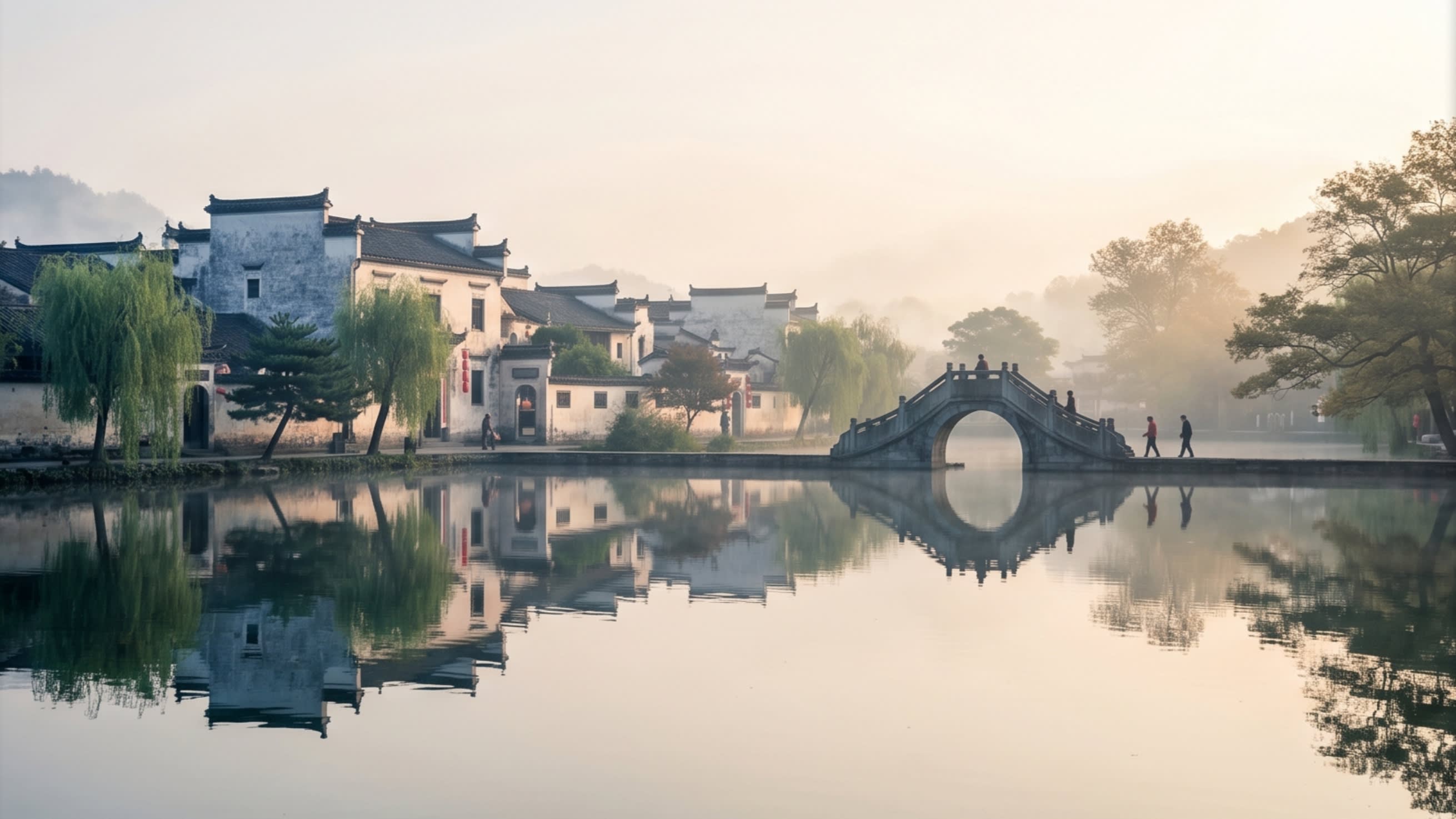
Hongcun is a UNESCO World Heritage site and a 5A landmark that genuinely earns the title “Village in a Painting.” Fans of the film will instantly feel a chill of recognition when standing by Nanhu Lake (南湖 - nánhú) and the Moon Pond—the very spots where Jen Yu famously skimmed across the surface.
- The 2026 Strategy: To truly capture that cinematic magic, you must arrive at dawn. In 2026, the village has implemented stricter management of tour groups, effectively granting “Independent Travelers” a pristine window before 9:00 AM.
- A Personal Note: The beauty of Hongcun (宏村) is truly in its water. Walking the perimeter of Nanhu Lake as the morning mist curls around the eaves—with no tour guides shouting through megaphones—is the closest I have ever come to living inside a classical landscape scroll. It’s an overwhelming sense of serenity (静谧感 - jìngmì gǎn). My advice? Don’t just stick to the main perimeter. Duck into the narrow, winding alleys to find the intricately carved wood-framed houses. The level of detail in the latticework is, as we say in modern Chinese slang, jue jue zi (绝绝子 - absolutely incredible).
Stop 2: Mukeng Bamboo Sea – The Emerald Arena (木坑竹海)
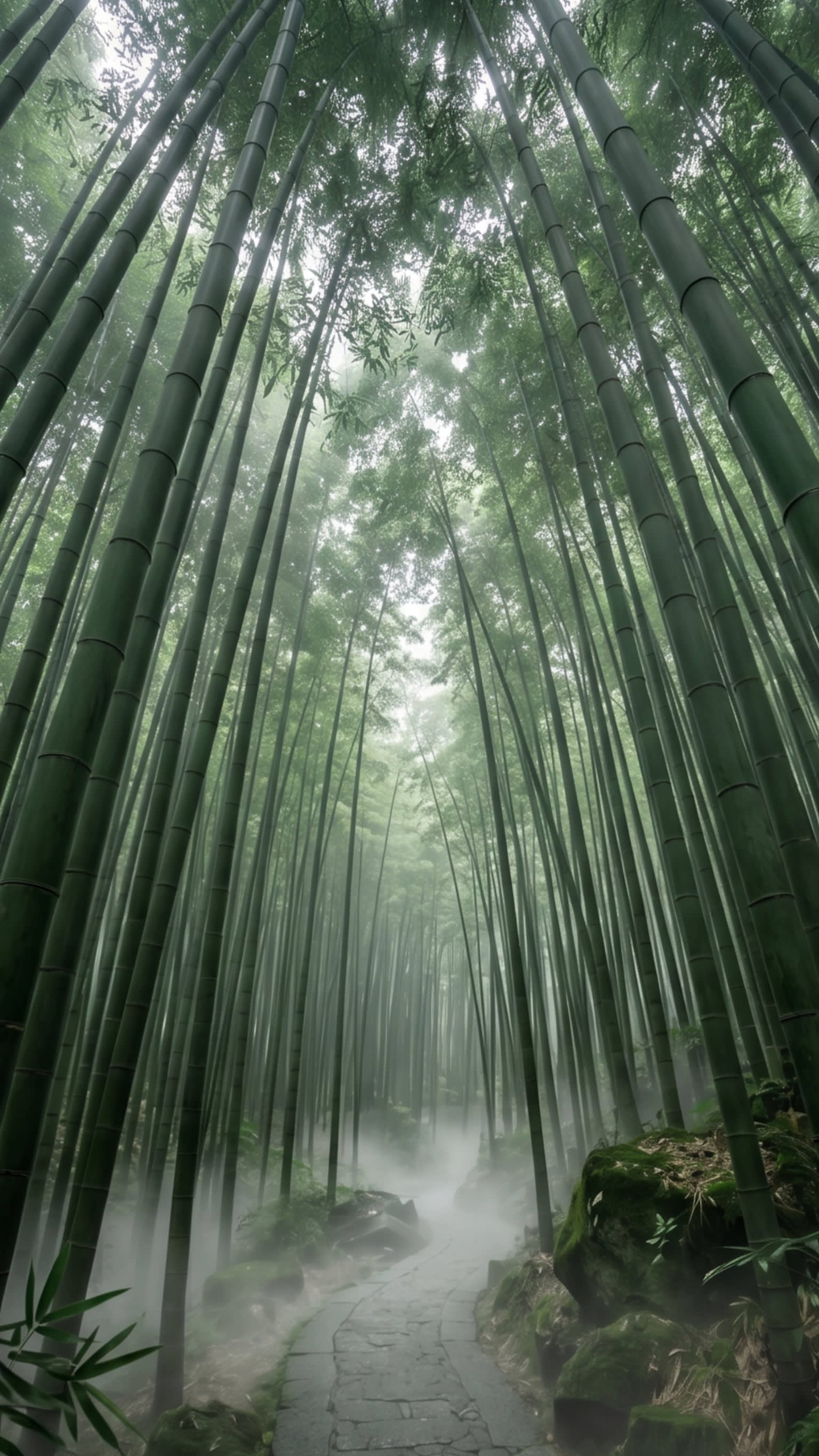
Just five kilometers from Hongcun lies the Mukeng Bamboo Sea (木坑竹海 - mùkēng zhúhǎi), the stage for the film’s iconic, gravity-defying bamboo-top sword fight. This is a vast, rolling valley of emerald stalks that seem to groan and whisper when the wind catches them.
- The “Floating” Experience: In 2026, a new low-impact glass walkway has been integrated into the forest, allowing you to traverse the canopy line without harming the stalks. It provides a hauntingly beautiful first-person perspective of what it feels like to be a Wuxia warrior.
- Curator’s Tip: If you are a photographer, aim for the “Tyndall Effect” (sunbeams) between 8:30 AM and 10:00 AM. The heavy moisture content in the Anhui air turns every ray of light into a physical, golden pillar, turning your raw shots into professional movie stills. If you enjoy capturing nature in its most minimalist form, you might also find inspiration in our guide to winter photography in northern 5A parks.
Stop 3: Nanping – The Hall of Ancestors (南屏)
If you find Hongcun too bustling, head to Nanping (南屏 - nánpíng). This village is celebrated for its ancestral halls—the very structures that hosted the intense, quiet tea-drinking and training scenes in the film.
- Native Perspective: Nanping feels much more original and authentic (原汁原味 - yuánzhī yuánwèi) than its more famous neighbor. The ancestral halls possess a solemn, heavy silence. If you are a cinema buff, make sure to visit the Ye Family Branch Hall; this was the filming location for the security bureau.
A Culinary Essential: Stinky Mandarin Fish
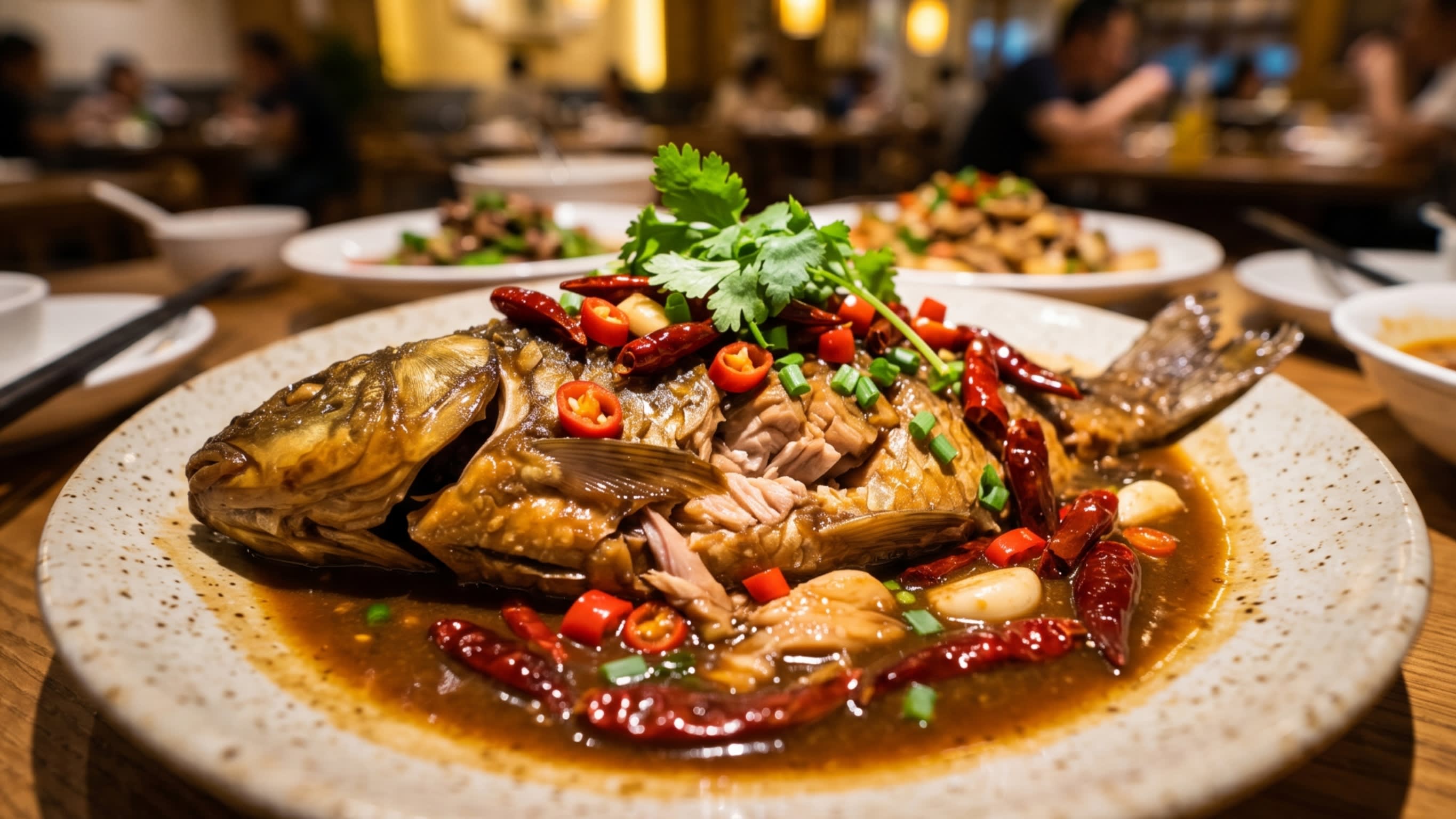
You haven’t truly finished an Anhui trip until you’ve eaten Stinky Mandarin Fish (臭鳜鱼 - chòuguìyú). Despite the off-putting name, it doesn’t smell “bad”—it carries an earthy, fermented funk similar to a fine aged cheese. When cooked, the flesh remains firm, savory, and flakes off in perfect “garlic-clove” chunks.
- Pro Tip: Remember the local saying: “It smells stinky, but it tastes fragrant” (闻着臭,吃着香 - wénzhe chòu, chīzhe xiāng). The meat is incredibly dense; it offers a richness that standard fresh fish simply cannot provide. Be sure to enjoy it with a steaming bowl of high-quality rice—the savory sauce is perfect for mixing.
Travel Survival Guide (Anhui Edition)
| English Phrase | Chinese (Pinyin) |
|---|---|
| Was the movie filmed here? | 这里是电影的取景地吗? (Zhè shì diànyǐng de qǔjǐngdì ma?) |
| One order of Stinky Mandarin Fish, please. | 请给我一份臭鳜鱼。 (Qǐng gěi wǒ yīfèn chòuguìyú.) |
| The bamboo forest is beautiful. | 这片竹海太美了。 (Zhèpiàn zhúhǎi tàiměi le.) |
| Where is the best photo spot? | 哪里拍倒影最好看? (Nǎlǐ pāi dàoyǐng zuì hǎokàn?) |
Final Thoughts from Lan
Anhui is a province that rewards the slow, patient traveler. You may arrive for the nostalgia of a movie you loved twenty years ago, but you stay for the quiet dignity of the white-walled villages and the whispering bamboo. In 2026, the world is louder than ever, but deep in the Mukeng Bamboo Sea (木坑竹海 - mùkēng zhúhǎi), the silence is still absolute.
Do yourself a favor: skip the frantic day trips. Spend two nights in a local guesthouse (民宿 - mín sù) in Hongcun. Wake up before the rest of the world, watch the mist rise over the Nanhu Lake, and for a fleeting moment, you will feel like the protagonist of your own epic.
Bamboo Forest Survival Checklist
- Repellent: The bamboo forest is home to some "enthusiastic" mosquitoes. Pick up a local herbal balm known as Fengyoujing (风油精 - fēngyóujīng) at any pharmacy.
- HSR Access: Use Huangshan North (黄山北 - huángshān běi) station. From there, the direct shuttle bus to Hongcun is the most stress-free option.
- Footwear: Huizhou villages are paved with uneven, wet stone. Bring shoes with high-traction soles—slipping on a rainy day is not a very "Wuxia" way to end your trip.
- Photography: In Hongcun, the best reflections are at the Moon Pond (月沼 - yuèzhǎo). If it's windy, be patient; the water usually settles into a perfect mirror within ten minutes.