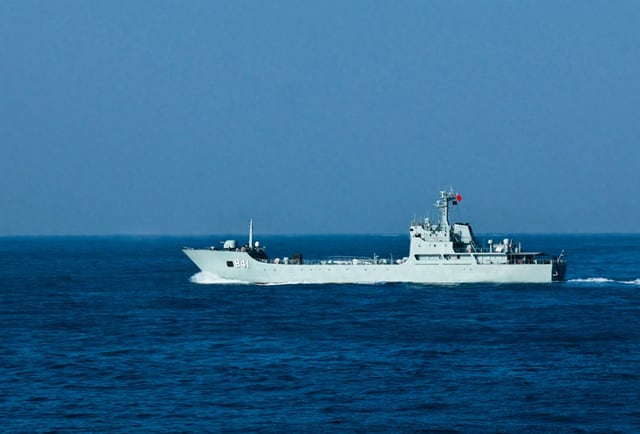
Amidst frigid winds and rolling waves, the Eastern Theater Command of the People’s Liberation Army (PLA) recently conducted intensive live-fire naval exercises in the East China Sea, simulating complex combat scenarios to test fleet readiness.
Training Scenarios
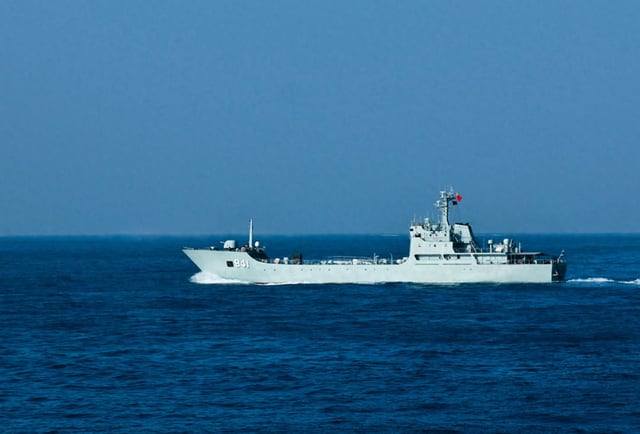
The drill involved a flotilla of landing ships from the Eastern Theater Command Navy, focusing on:
- Air defense operations: Simulated responses to aerial threats
- Surface engagement: Tracking and engaging fast-attack craft
- Damage control: Firefighting and casualty management under combat conditions
- Formation navigation: Coordinated maneuvering of multiple vessels
Drill Details
According to official reports, the exercise progressed through several phases:
Phase 1 - Air Defense: After detecting simulated hostile aircraft approaching the formation, the fleet transitioned to combat status, adjusting formation and completing air defense deployment within minutes. Main batteries opened fire once targets entered range, creating dense “protection networks” of fire.
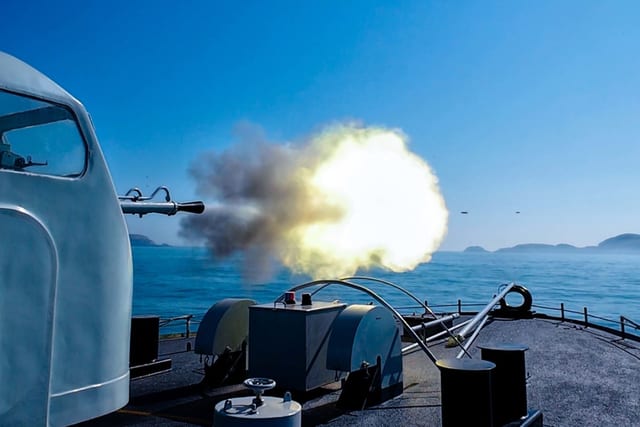
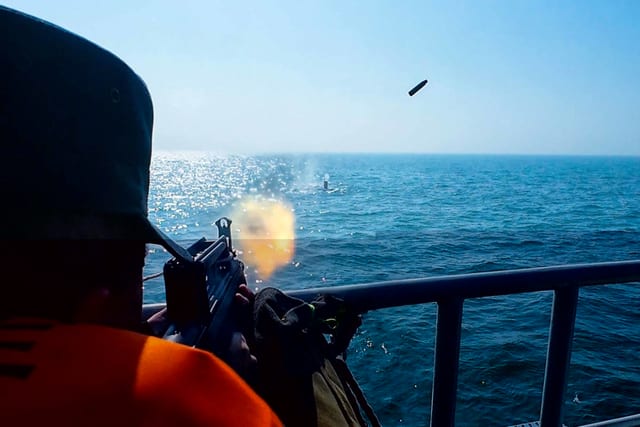
Phase 2 - Surface Warfare: Following the aerial threat, radar detected simulated enemy fast boats. Commanders adjusted course and speed to obtain optimal firing positions, with rifle teams engaging and successfully intercepting the targets.
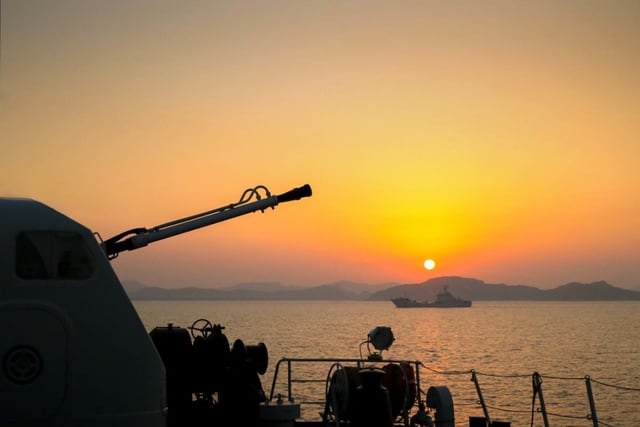
Phase 3 - Damage Control: A simulated hit on the forward hydraulic station triggered firefighting protocols, with damage control teams extinguishing the blaze through rapid, coordinated response.
Strategic Context
The Eastern Theater Command is responsible for operations in the East China Sea region, including areas near Taiwan and the Senkaku/Diaoyu Islands. These exercises occur regularly, particularly during winter months when weather conditions provide challenging training environments.
For foreign observers, such drills reflect China’s ongoing efforts to modernize its naval capabilities and maintain readiness in disputed maritime regions. The emphasis on “continuous combat capability” and “realistic training” aligns with broader PLA modernization goals emphasizing joint operations and rapid response.
Regional Implications
While military exercises are routine for any naval power, timing and location of drills in the East China Sea are closely monitored by regional neighbors and international navies operating in the area. The exercises demonstrate China’s capability to project power and defend maritime claims in contested waters.
The drill concluded after several days of operations, having tested main gun firing against sea and air targets, small arms engagement, damage control procedures, and fleet coordination—measures described by official sources as enhancing the flotilla’s “hard combat power.”
Source: Sina News/Military Channel

