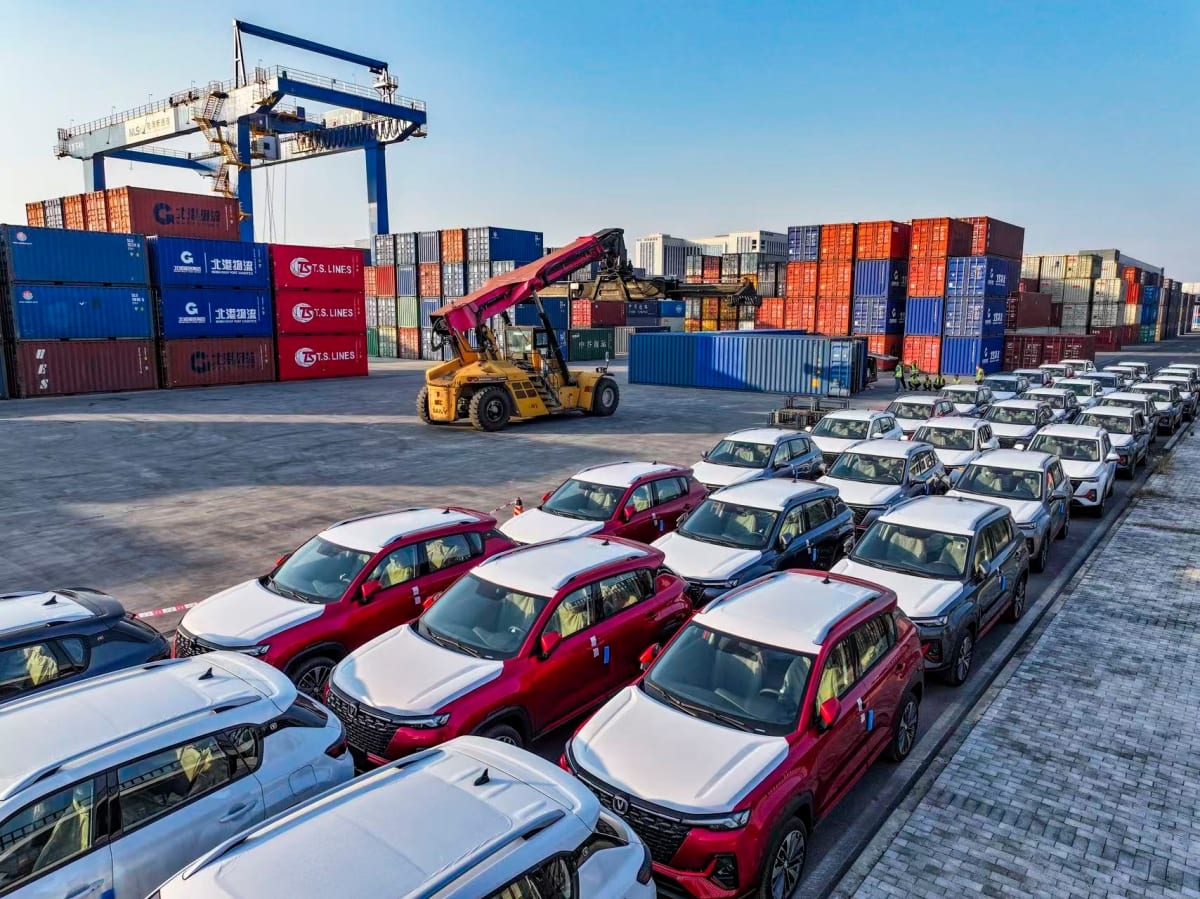
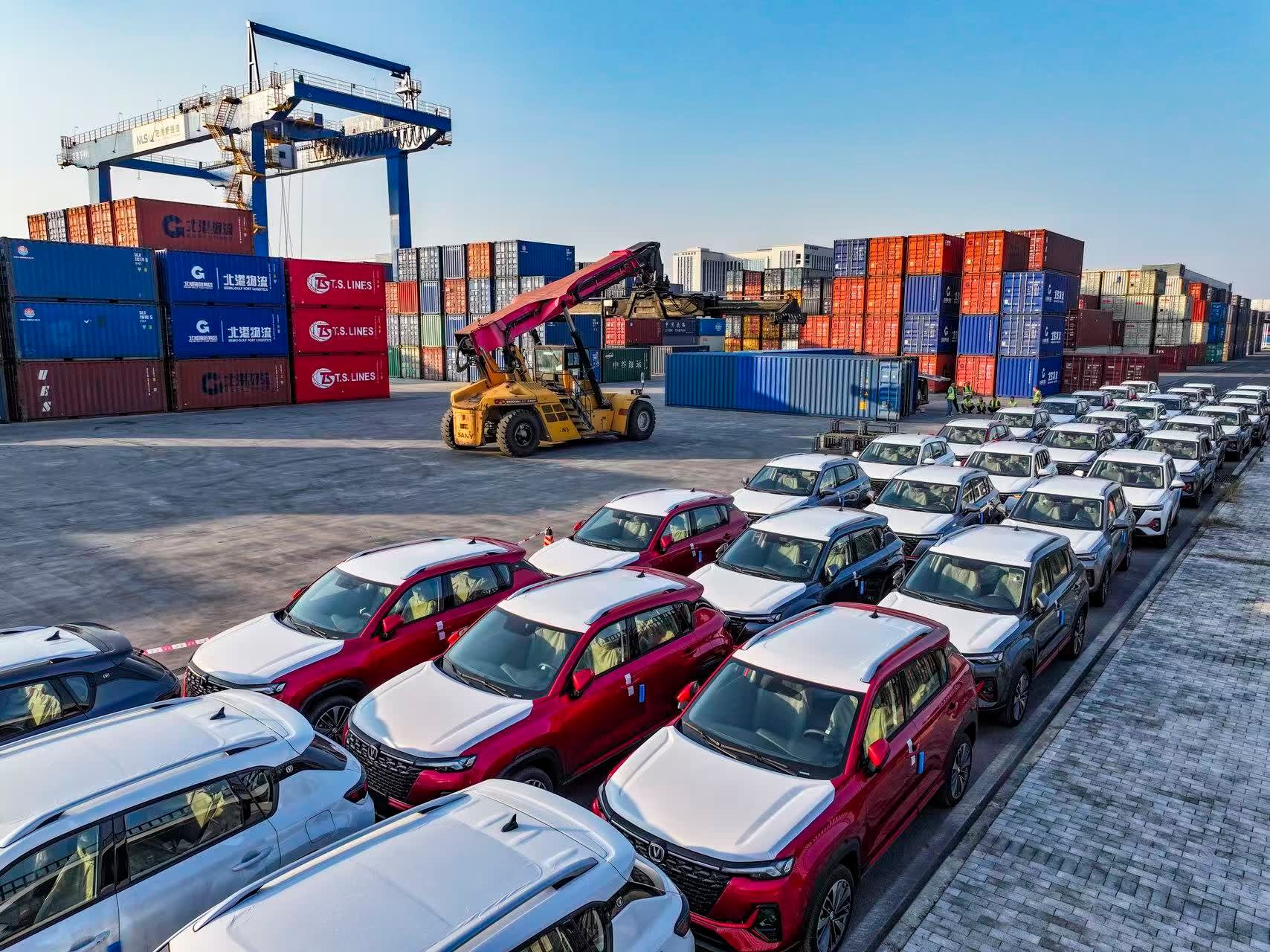
The modern Silk Road is carrying more than silk and spices—it’s now transporting cars. On January 26, the fifth cargo train loaded with domestically manufactured vehicles departed Chongqing for Duisburg, Germany, completing the first batch of 900 vehicles in a landmark China-Europe logistics project.
The New Automotive Silk Road
This operation represents a strategic partnership between China Logistics Huamao Rail Transport and Yuxinou (Chongqing) Supply Chain Management, demonstrating how China’s Belt and Road Initiative is reshaping global automotive supply chains.
Export Operations: The partnership primarily handles complete vehicles and KD (knock-down) kits for major Chinese automakers including Changan and Geely—brands increasingly competitive in European markets.
Import Operations: The return journey carries bulk commodities such as potash fertilizer, asphalt, and carbon black—ensuring the trains don’t travel empty westbound.
Impressive Growth Metrics
The numbers tell a story of explosive growth in rail logistics:
| Year | Export Volume | Import Volume | Notable Growth |
|---|---|---|---|
| 2025 Total | 4,746 TEU | 368 TEU | Steady operations |
| January 2026 | 500+ TEU | 500+ TEU | 1,000+ TEU combined |
TEU = Twenty-foot Equivalent Units
Why This Matters for Global Trade
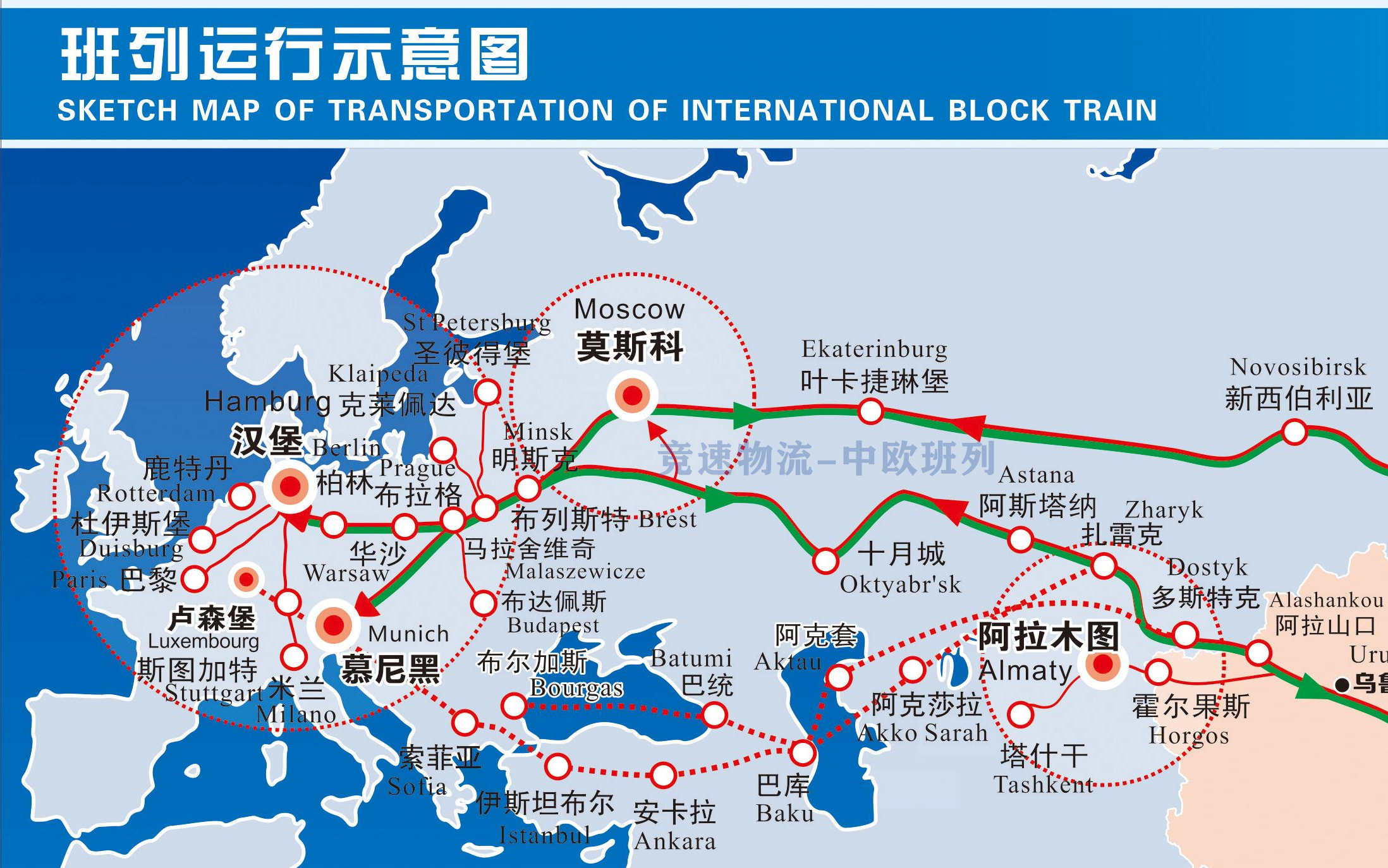
For foreign businesses and consumers, these rail links offer several advantages:
- Speed: Faster than ocean freight, cheaper than air cargo
- Reliability: All-weather operation independent of Red Sea geopolitics or Panama Canal constraints
- Sustainability: Rail transport produces significantly lower carbon emissions than aviation or long-haul trucking
Chongqing: The Inland Port City
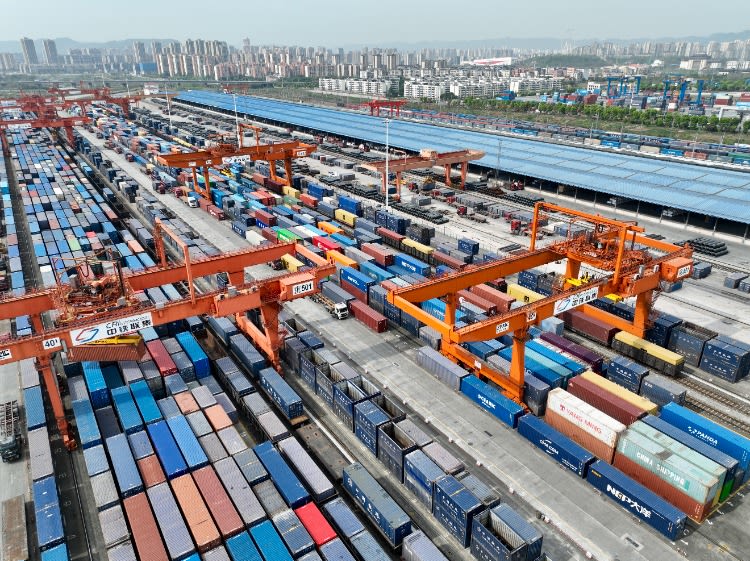
Chongqing, a mountainous megacity in western China famous for its spicy hotpot and cyberpunk skyline, has transformed into a crucial inland port. Located 1,500 kilometers up the Yangtze River from Shanghai, the city leverages rail connections to maintain its status as a manufacturing hub despite its geographic distance from the coast.

This “end-to-end” logistics solution—integrating domestic Chinese transport with international rail—exemplifies how modern infrastructure is flattening geographic disadvantages and connecting Chinese manufacturing directly with European consumers.
Image credits: Sina News

