“In the West, cemeteries are often associated with Halloween, shadows, and the macabre. Because of this, when foreign travelers hear about China’s Qīngmíng Jié (清明节)—the Tomb-Sweeping Festival—they naturally assume it is a dark, spooky, and sorrowful holiday. But this is a profound misunderstanding. Falling on April 4th or 5th, Qingming is the only Chinese holiday that is also one of the 24 Solar Terms. Its very name translates to ‘Pure and Bright.’ It is a festival defined by a beautiful duality: we shed tears for those who have passed, and then we step out into the sun to celebrate the vibrant, undeniable force of new life.”
🌧️ 1. The Poetry of Sorrow: Sweeping the Tombs
To understand Qingming, you must first understand the depth of Chinese filial piety—the respect for one’s parents and ancestors. The most iconic poem associated with this day was written over a thousand years ago by the Tang Dynasty poet Du Mu:
“A drizzling rain falls like tears on the Mourning Day;
The mourner’s heart is going to break on his way.
Where can a wine shop be found to drown his sad hours?
A cowherd points to a cot ‘mid apricot flowers.”
On Qingming, families travel to the graveyards or columbariums to perform Sǎomù (扫墓), which literally translates to “sweeping the tomb.” However, this is not a grim or terrifying duty. It is treated like a family reunion.
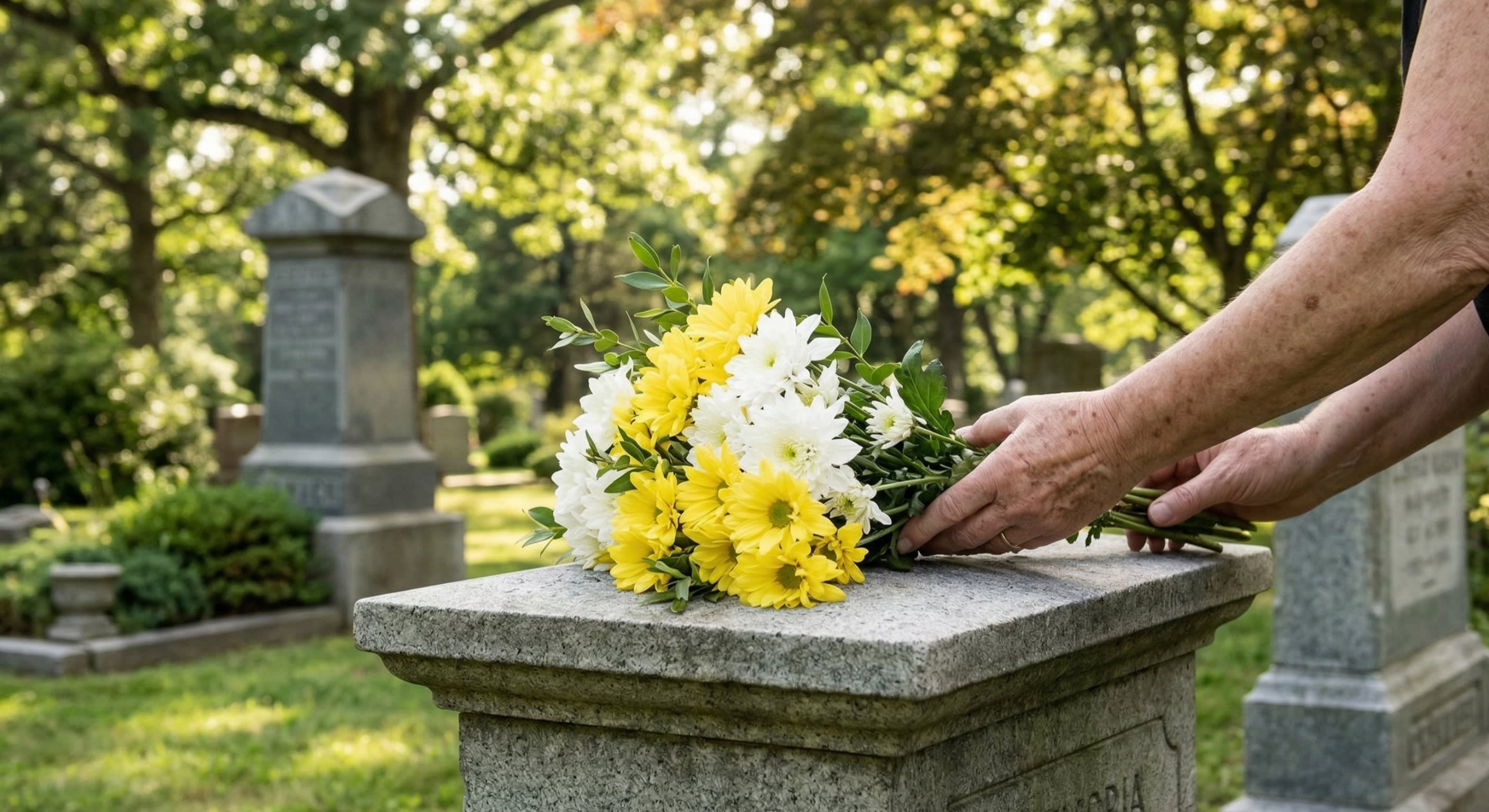
When a family arrives at the tomb, they pull out weeds, wipe down the headstone, and arrange fresh flowers—usually yellow and white chrysanthemums, which symbolize grief and respect in Chinese culture. They lay out a feast of the ancestors’ favorite foods, pour small cups of rice wine (or sometimes a modern favorite like Coca-Cola), and light incense.
Finally, they burn Zhǐqián (纸钱)—joss paper or “spirit money.” In traditional Chinese belief, the smoke carries this currency into the afterlife, ensuring that the ancestors have enough money to live comfortably in the spirit world. Once the rituals are complete, family members will take turns bowing to the tomb, giving the ancestors updates on their lives, reporting new marriages, births, or career successes. It is a quiet, beautiful way to ensure that the dead are never truly gone, because they are never forgotten.
🌸 2. Tàqīng (踏青): Stepping on the Green
Once the tears have been shed and the ancestors have been fed, the atmosphere of the holiday abruptly shifts. The mourning is over, and the celebration of life begins.
Because Qingming occurs in early April, it marks the exact moment when the harsh winter is officially defeated. The grass is turning green, the peach and cherry blossoms are exploding into color, and the weather is finally warm enough to enjoy the outdoors. Therefore, immediately after tomb-sweeping, families engage in Tàqīng (踏青), which literally translates to “stepping on the green” or taking a spring outing.
Ancient Chinese philosophy is deeply rooted in the balance of Yin and Yang. Death (Yin) and Life (Yang) must coexist. The ancestors would not want their descendants to be consumed by grief. By leaving the graveyard and going for a picnic in a vibrant, blooming park, the living honor the dead by showing them that the family line is healthy, happy, and continuing to flourish.
🪁 3. Flying Kites: Cutting the Strings of Bad Luck
If you visit any large park in China during the Qingming holiday, you will be forced to look up. The sky will be filled with hundreds of kites (Fēngzhēng 风筝).
Kite flying during Qingming is not just a recreational activity for children; it is an ancient superstitious ritual. Historically, people believed that the spring winds could carry away illness and misfortune.
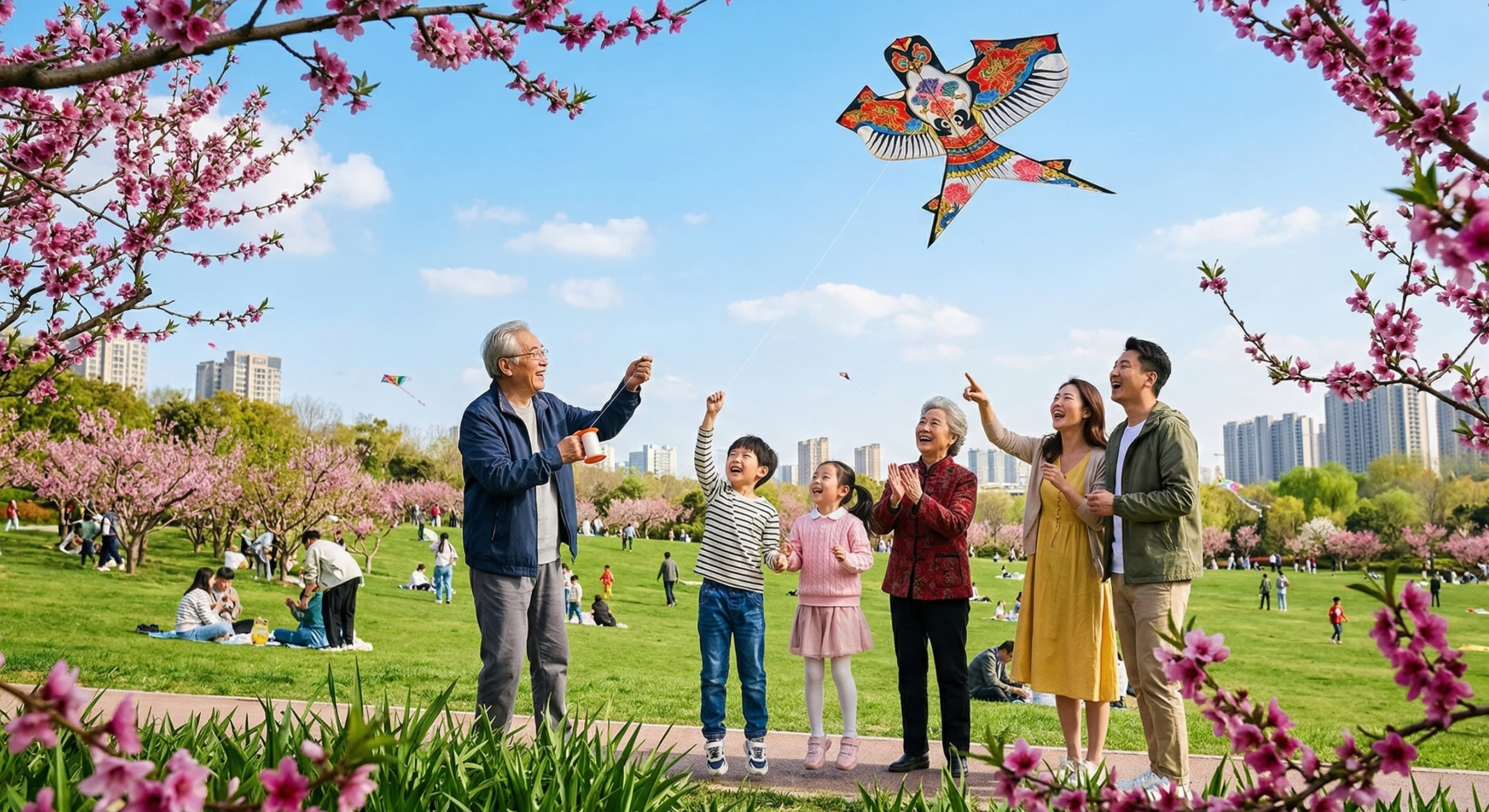
People would write the names of diseases or bad luck they wished to avoid on the fabric of the kite. They would fly the kite as high as the string would allow, and then—in a crucial step—they would take out a pair of scissors and cut the string. As the kite drifted away into the clouds, it was believed to take all the bad luck with it, leaving the flyer with a fresh, healthy slate for the new year.
Today, while the superstition has mostly faded, the sky filled with colorful swallows, dragons, and butterflies remains one of the most iconic visual symbols of the Qingming Festival.
🍡 4. Qīngtuán (青团): The Taste of Spring
Every Chinese festival has its mandatory food. For Qingming, the culinary star is the Qīngtuán (青团)—the Green Dumpling.
You cannot find a food that looks more like spring than a Qingtuan. It is a perfectly round, glossy, emerald-green ball made of glutinous rice flour. The brilliant green color does not come from artificial dyes; it is extracted from the juice of fresh mugwort leaves (Àicǎo 艾草) or barley grass, which are crushed and kneaded into the dough. This gives the dumpling a highly distinct, earthy, and herbaceous aroma.
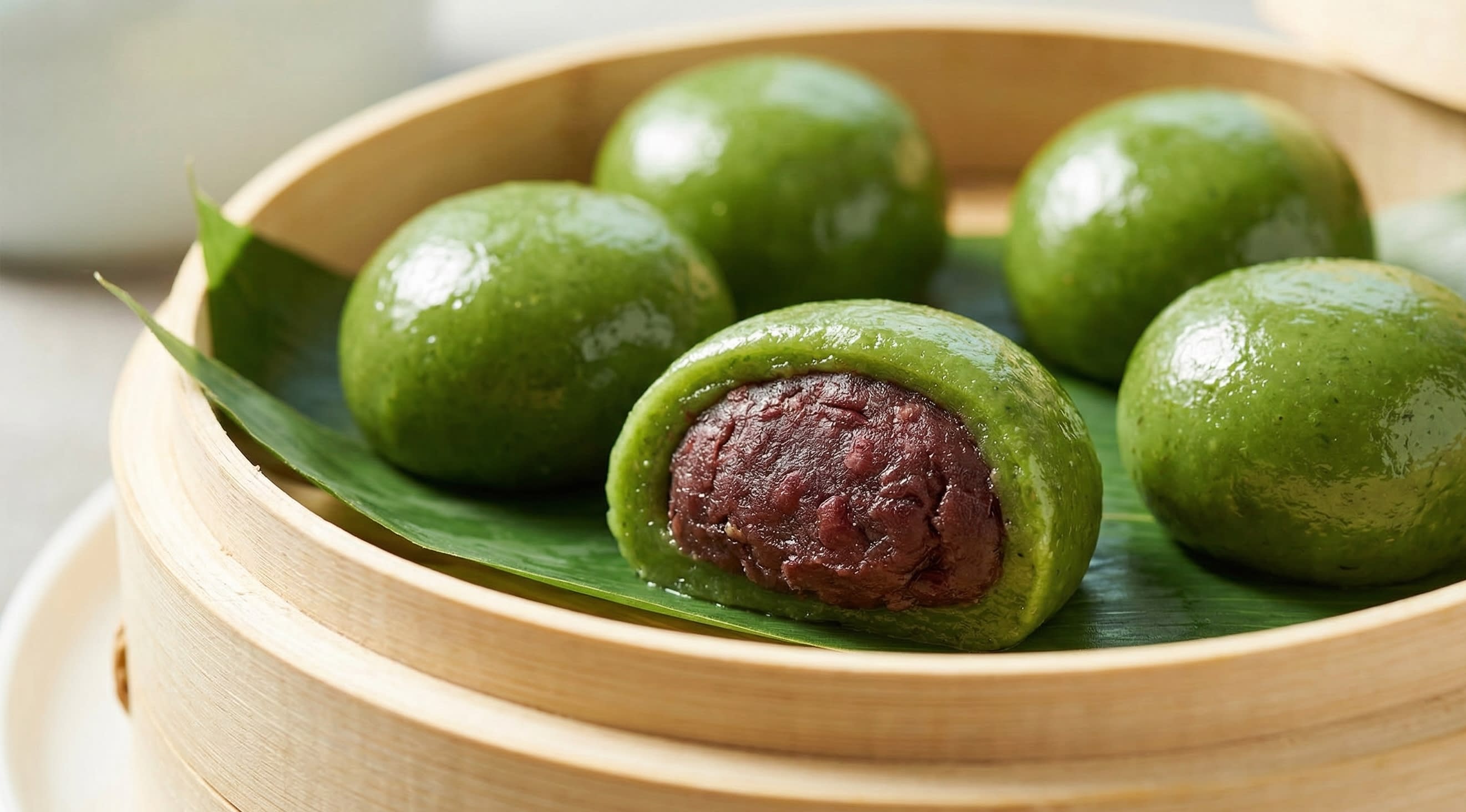
Traditionally, Qingtuan is filled with sweet red bean paste or crushed black sesame. However, in recent years, a massive culinary craze has swept across China for modern savory-sweet fillings, most notably salted egg yolk mixed with dried pork floss. Young people will literally queue for hours outside time-honored bakeries in Shanghai just to buy a box of these specific Qingtuan.
Why do we eat cold food? Qingtuan is traditionally eaten cold. This ties back to an ancient holiday called the Hanshi Festival (Cold Food Festival), which historically fell one day before Qingming. It commemorates a tragic, legendary loyalist named Jie Zitui who died in a forest fire. To mourn his death, the local ruler forbade the lighting of any fires for three days, forcing the population to eat only pre-cooked, cold food. Over the centuries, the Hanshi Festival and Qingming merged into one, leaving us with the delicious legacy of the cold, green Qingtuan.
🍵 5. The Gold Standard: Mingqian Tea (明前茶)
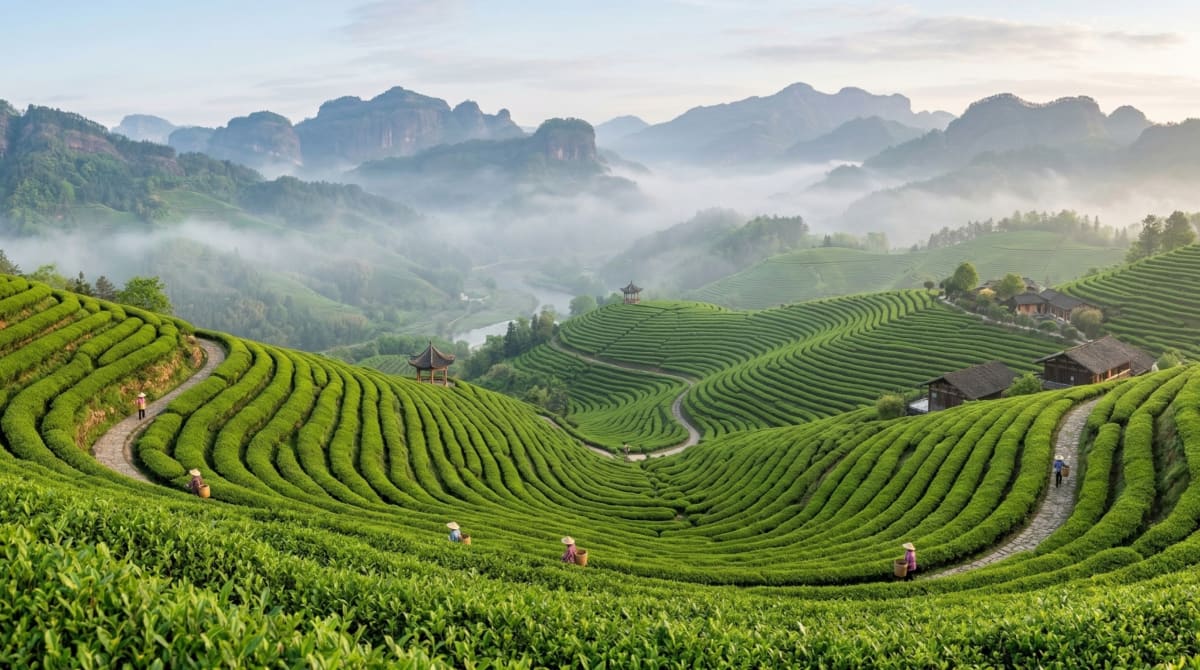
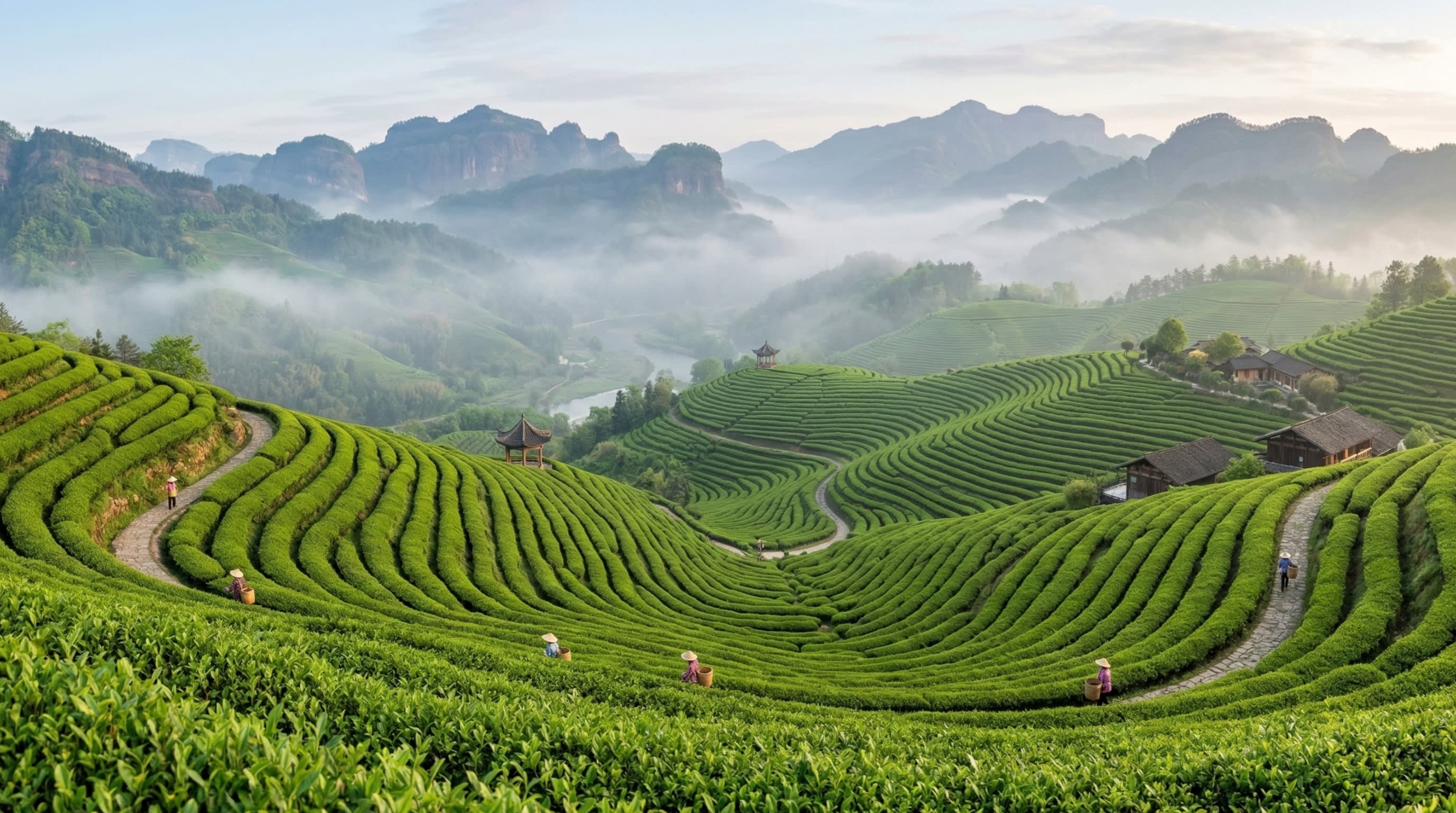
For tea lovers and curators of Chinese culture, the word “Qingming” triggers a frantic rush for the ultimate prize: Míngqián Chá (明前茶), or “Pre-Qingming Tea.”
In the world of Chinese green tea—especially the world-famous Longjing (Dragon Well) tea from Hangzhou—timing is everything. Tea leaves plucked before the Qingming Festival are considered the absolute highest quality of the year, commanding astronomical prices on the market.
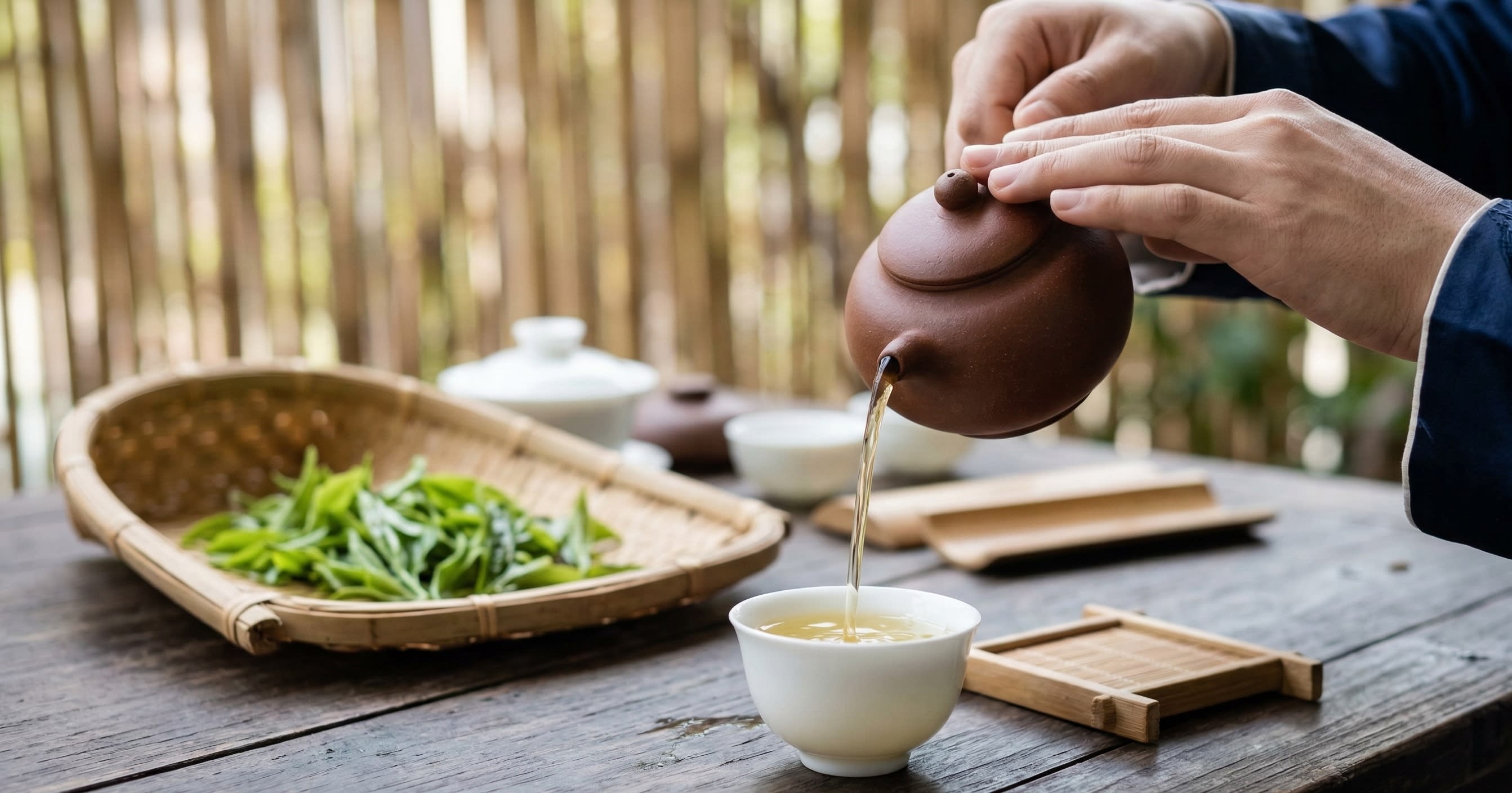
The Science of the Leaf: Why is it so expensive? During the early spring, before the Qingming rains arrive, the temperature is still quite cool. The tea bushes grow very slowly, which allows the tender young buds to accumulate massive amounts of amino acids, while keeping their catechin levels (which cause bitterness) very low. Furthermore, because it is still too cold for insects, the tea requires absolutely no pesticides.
The result is a cup of green tea that is incredibly delicate, sweet, and bursting with a fresh, floral aroma. Because the harvesting window is only a few weeks long, and the tender buds must be hand-picked, authentic Mingqian tea is as precious as gold. Sipping a cup of this tea is essentially drinking the concentrated essence of the Chinese spring.
💬 6. Essential Qingming Vocabulary
If you are in China during early April, these are the high-frequency words you will encounter:
| The Term | Characters & Pinyin | What It Means in Practice |
|---|---|---|
| Tomb-Sweeping | 扫墓 Sǎomù |
The primary duty of the holiday. "I am going back to my hometown to Saomu." |
| Spring Outing | 踏青 Tàqīng |
"Stepping on the green." Going to the park to enjoy the spring weather. |
| Green Dumpling | 青团 Qīngtuán |
The essential snack of the holiday. The salted egg yolk flavor is a modern favorite. |
| Spirit Money | 纸钱 Zhǐqián |
Paper money burned for the ancestors to use in the afterlife. |
Final Thoughts from Yuze
The Qingming Festival is a masterclass in emotional balance. It teaches us that to fully appreciate the warmth of the spring sun, we must first remember those who are no longer here to feel it. It is a day that weaves the past and the future together with the string of a flying kite. So, if you find yourself in China in early April, do not be afraid of the smoke rising from the graveyards. Instead, buy a sweet green Qingtuan, pour a cup of delicate spring tea, and step out into the green world to celebrate the beautiful, unbreakable cycle of life.
㊗️ Wishing you a peaceful, pure, and bright Qingming Festival!
Planning to travel during this beautiful season? Check out our guide on Chasing Spring: Tea Picking and Ancient Towns During the Qingming Holiday or explore how Qingming fits into the 24 Solar Terms of the Chinese Calendar.

