
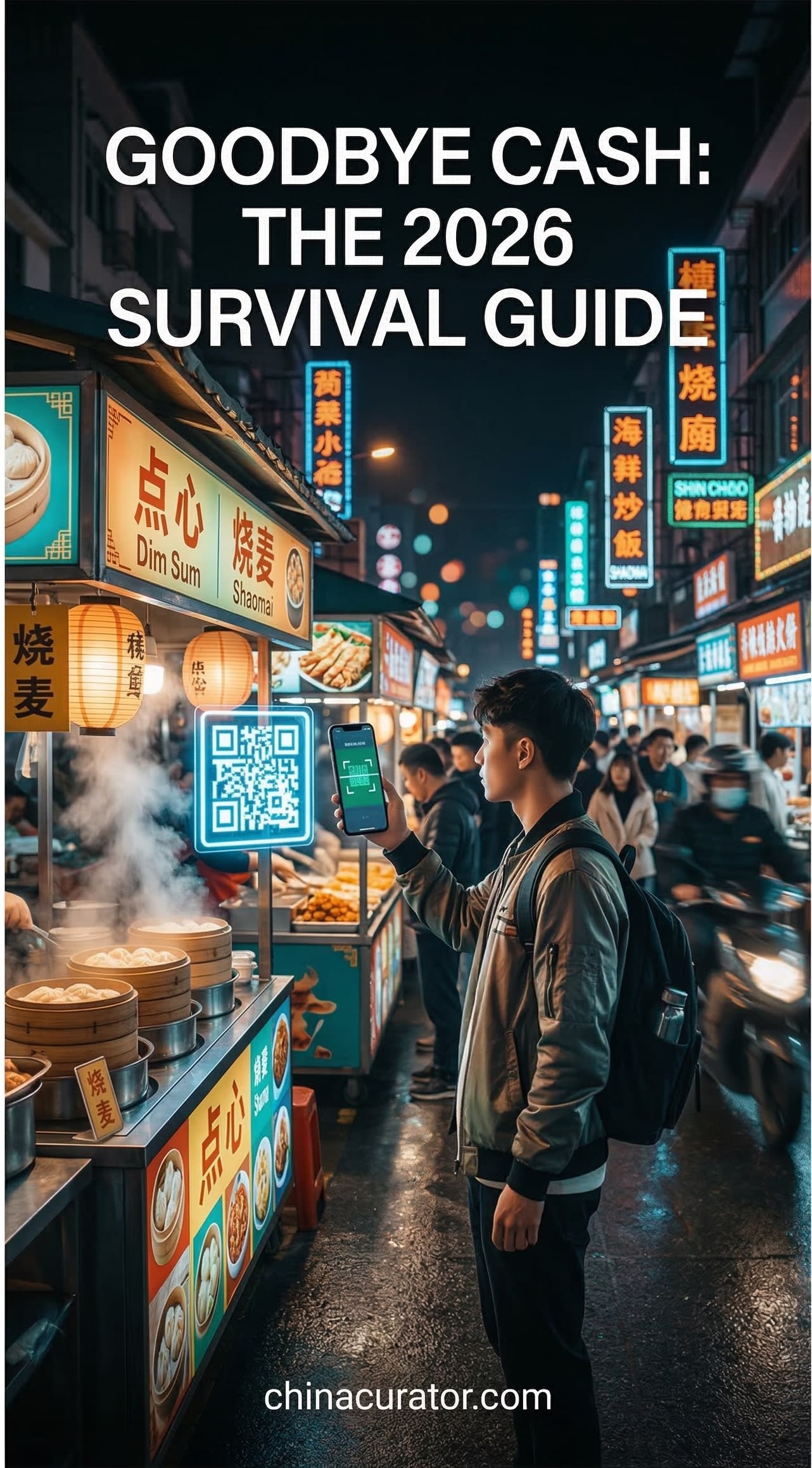
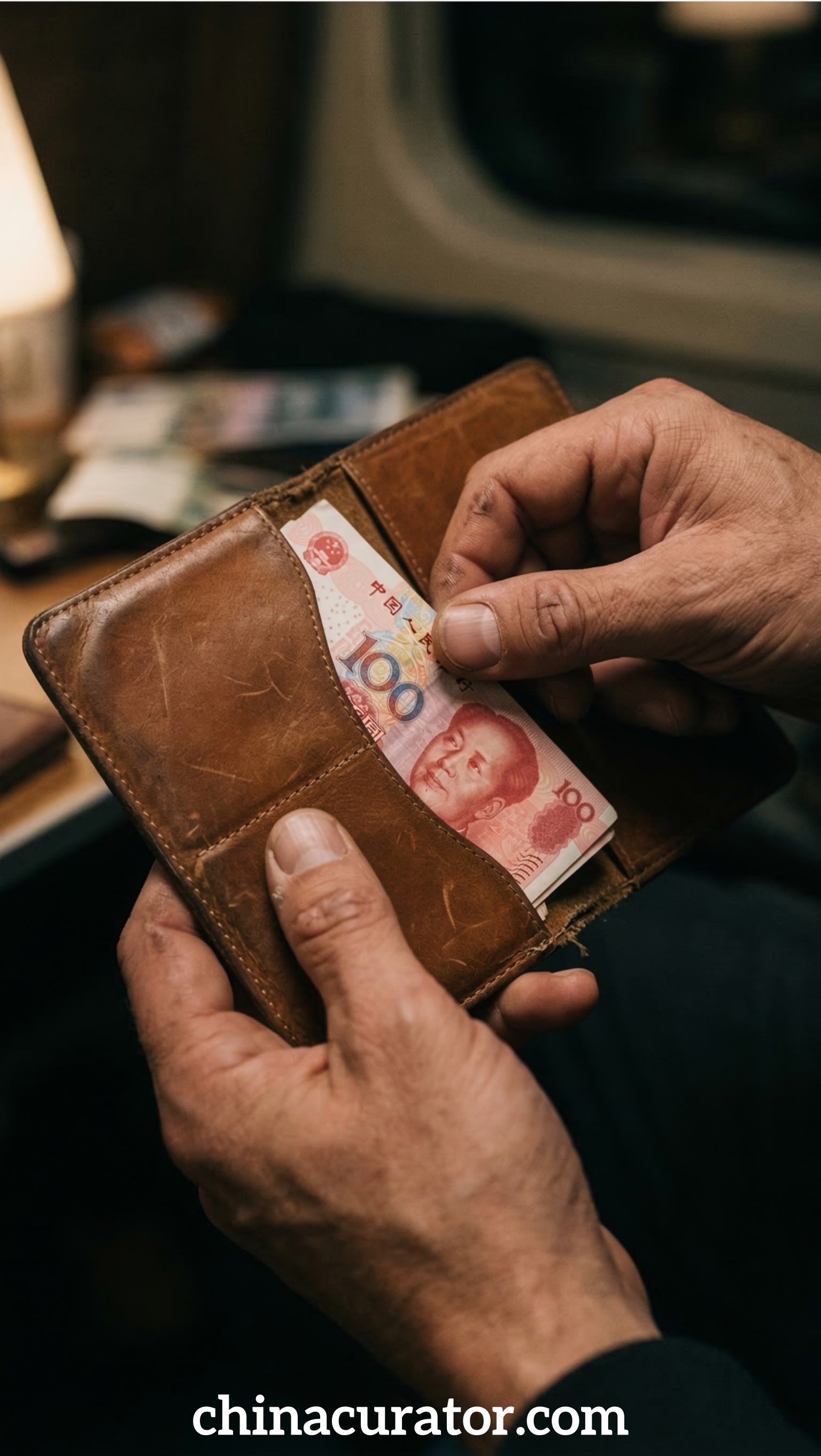
“You land in Shanghai, walk up to a taxi, and hand the driver a crisp 100 RMB note. He looks at it and sighs. In 2026, China isn’t just ‘cash-preferred’; it is digitally gated. But don’t panic. Whether you are here for a City Walk or a long-term Chinamaxxing adventure, this guide will turn your smartphone into a magic wand that opens every door.”
📱 1. The Big Two: Alipay and WeChat Pay
In 2026, you need both. They are the twin suns of the Chinese digital solar system.
Alipay (支付宝 - Zhīfùbǎo)
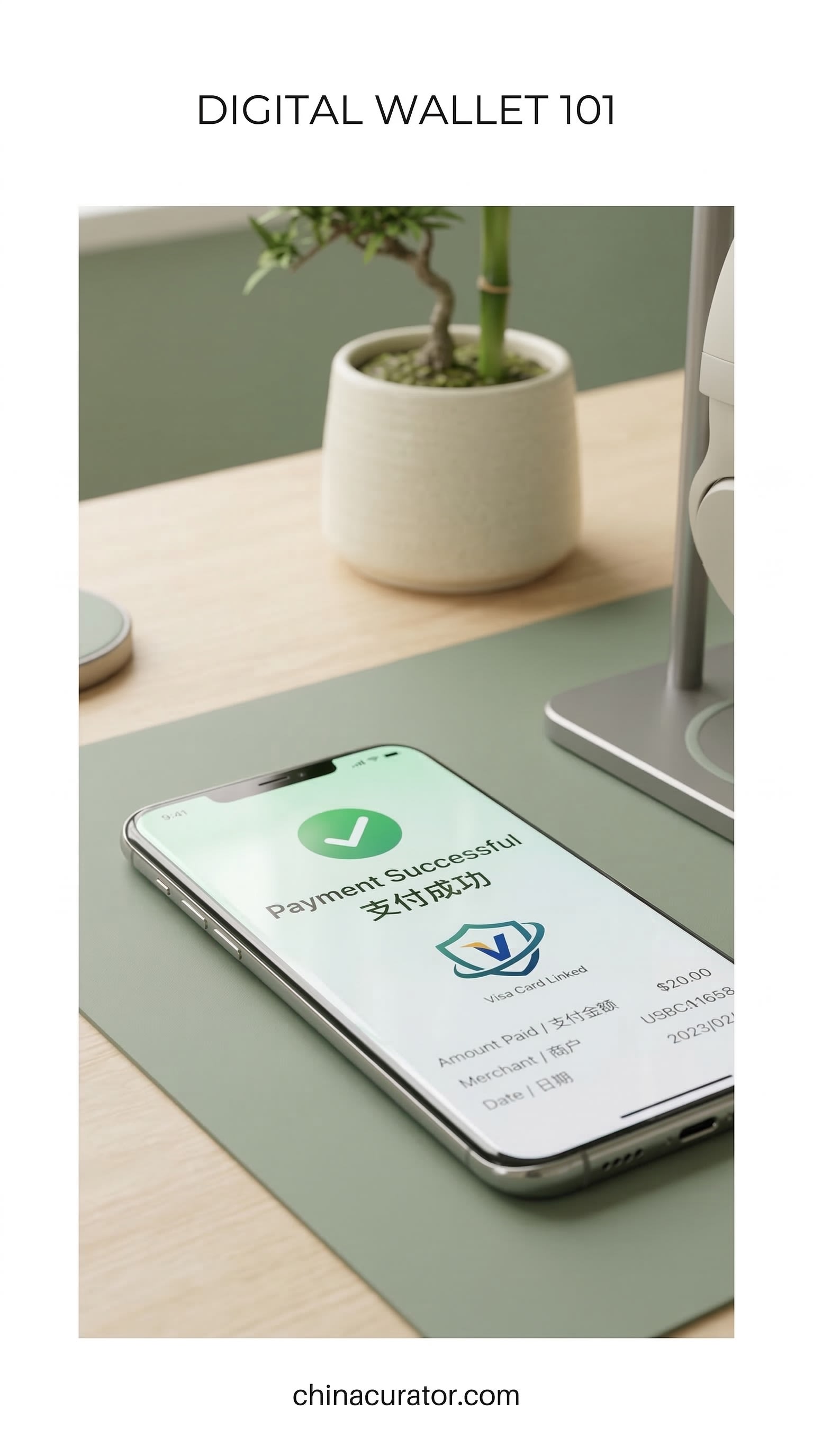
Alipay is the friendliest option for international travelers. By 2026, the international version has been streamlined to support almost all major foreign credit cards (Visa, Mastercard, JCB).
- The 2026 Update: You can complete the real-name verification (shímíng rènzhèng) using just your passport photo and a 3D face scan in minutes.
- Zero Fees: Most transactions under 200 RMB ($28) now carry zero transaction fees for international cards.
WeChat Pay (微信支付 - Wēixìn Zhīfù)
WeChat is the “everything app.” It is essential because many mini-programs for ordering coffee or booking local tickets only live inside the WeChat ecosystem.
🏮 2. The Pro Secret: Merchant Codes vs. Personal Codes
This is the #1 reason foreigners fail to pay at small street stalls.
When you go to a mall, they scan your QR code (Merchant Scan). This works 100% of the time with your bound international card.
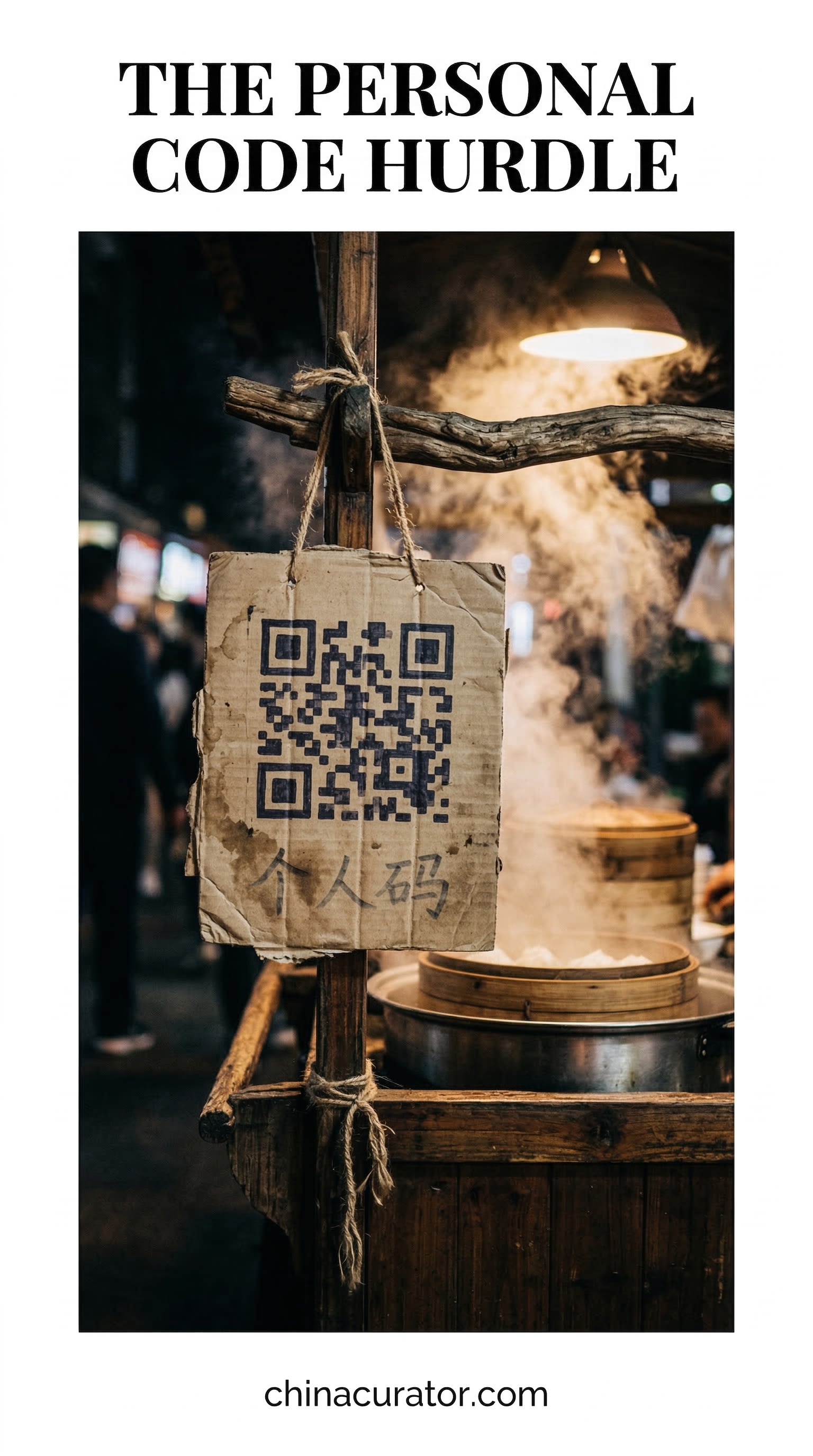
However, at a small street stall, you scan their printed QR code (Personal Code).
- The Problem: Most international cards cannot pay into a personal code.
- The Fix: You must have a balance in your “Wallet” (Yú’é). Have a local friend send you a Red Envelope (Hóngbāo) or a transfer. Once the money is in your balance, you can pay anyone.
🚆 3. Transportation: High-Speed and Local
- High-Speed Rail (Gāotiě): Use the official 12306 app. It is now fully bilingual. Once booked, your passport is your ticket—just swipe it at the gate.
- Didi (滴滴): The Chinese version of Uber. It has a built-in English interface and an automated translation system for chatting with drivers.
📶 4. The Internet Barrier: eSIM vs. Roaming
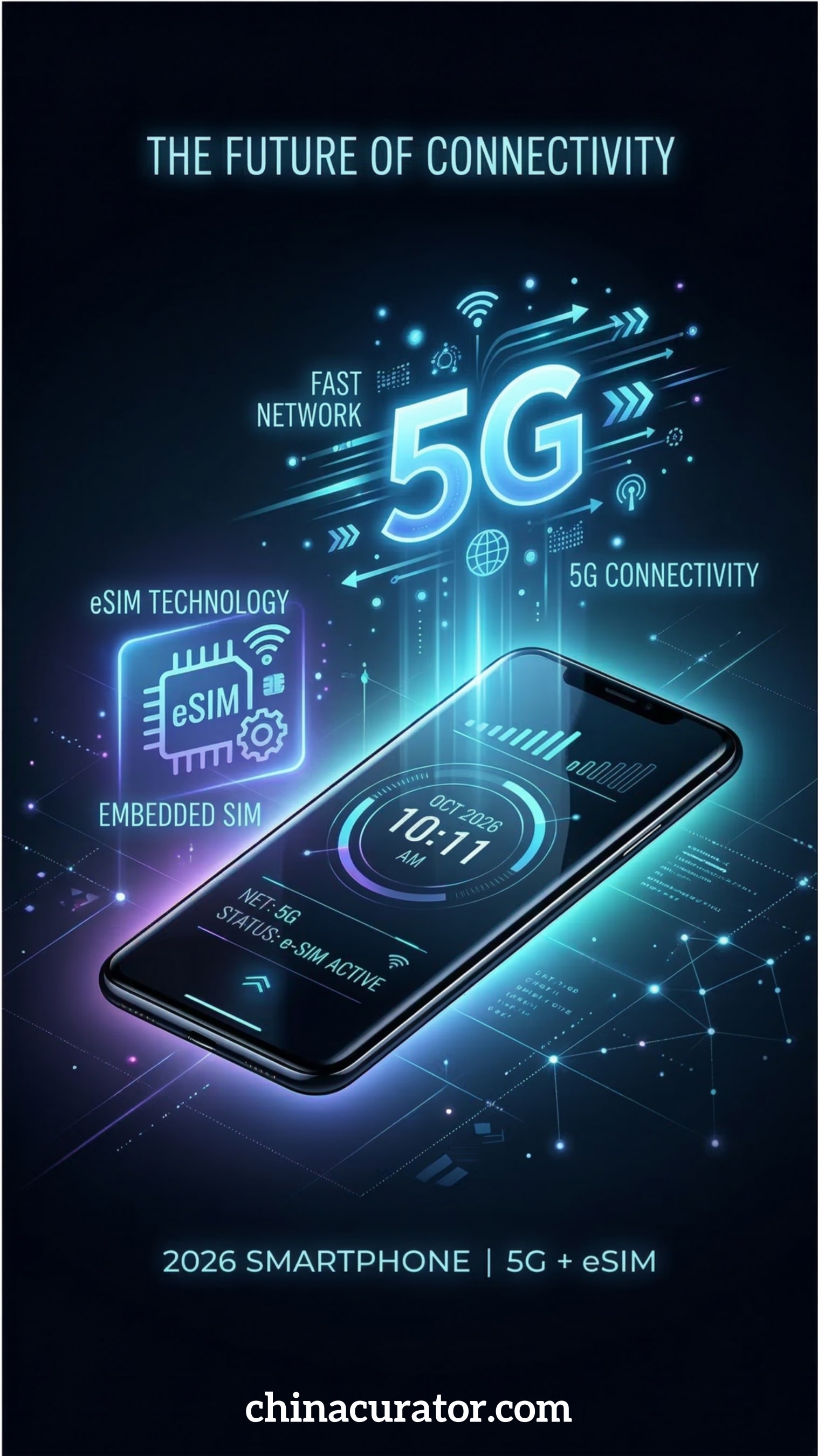
- Roaming eSIMs: Apps like Airalo or Nomad are best. They bypass the “Great Firewall” naturally, allowing you to access Google and Instagram without a VPN.
- Local SIMs: If staying over a month, get a local SIM for a Chinese phone number, which is necessary for some app registrations.
💰 5. The 1% Rule: When Do You Need Cash?
In 2026, we follow the “1% Rule.” Keep 500 RMB in small bills (10s and 20s) for:
- System Glitches: Even a hyper-digital society has downtime.
- Remote Areas: Signal might be weak in the mountains or rural villages.
- Medical Fees: Some public hospitals still require cash for small administrative tasks.
Final Thoughts from Hao
Navigating 2026 China is like playing a high-tech game. Once you have your “Inventory” (Alipay and WeChat) set up, the rest is easy. The goal isn’t to keep you out; it’s to make life fast once you’re in.
㊗️ Safe travels, and may your battery always be at 100%!
Ready to dive deeper?

