🐜 Introduction: The Quirkiest Name in Chinese Cuisine
When exploring the vast, intimidating, and delicious world of traditional Chinese cuisine, you will inevitably encounter dishes with incredibly poetic, confusing, or downright bizarre names. “Lion’s Head Meatballs” contain no lion, and “Husband and Wife Lung Slices” contain neither husbands nor wives.
But perhaps the most famous and visually evocative dish of them all is a Sichuan classic known as Ants Climbing a Tree (蚂蚁上树 - Mǎyǐ Shàngshù).
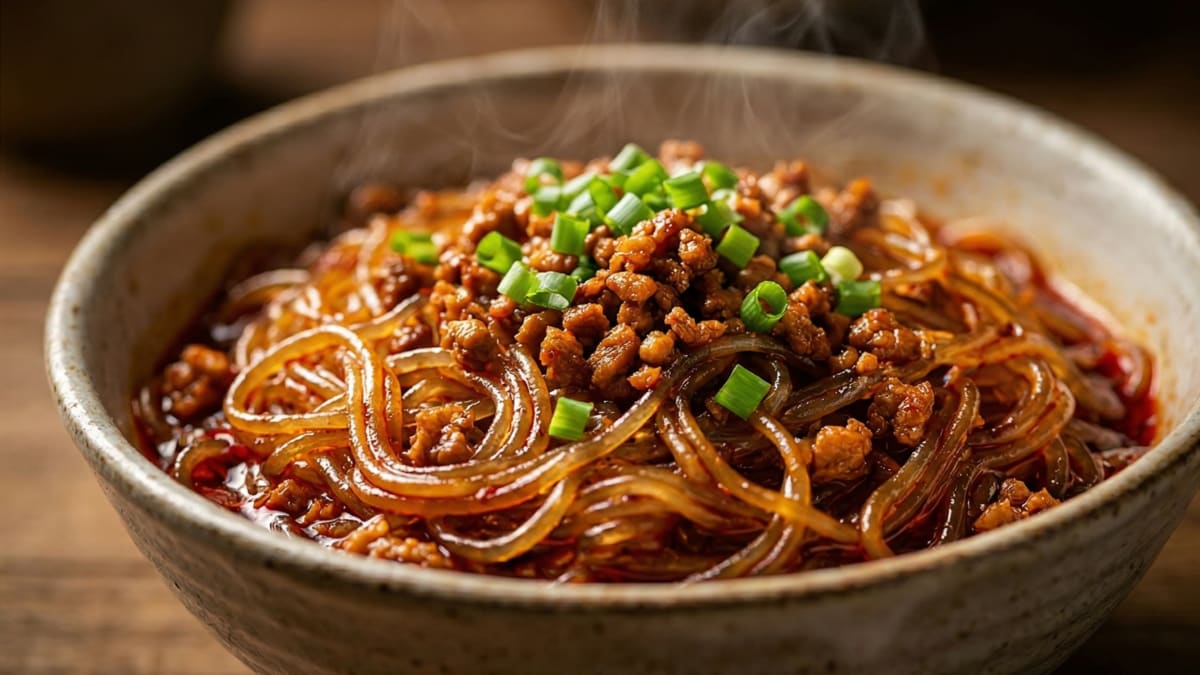
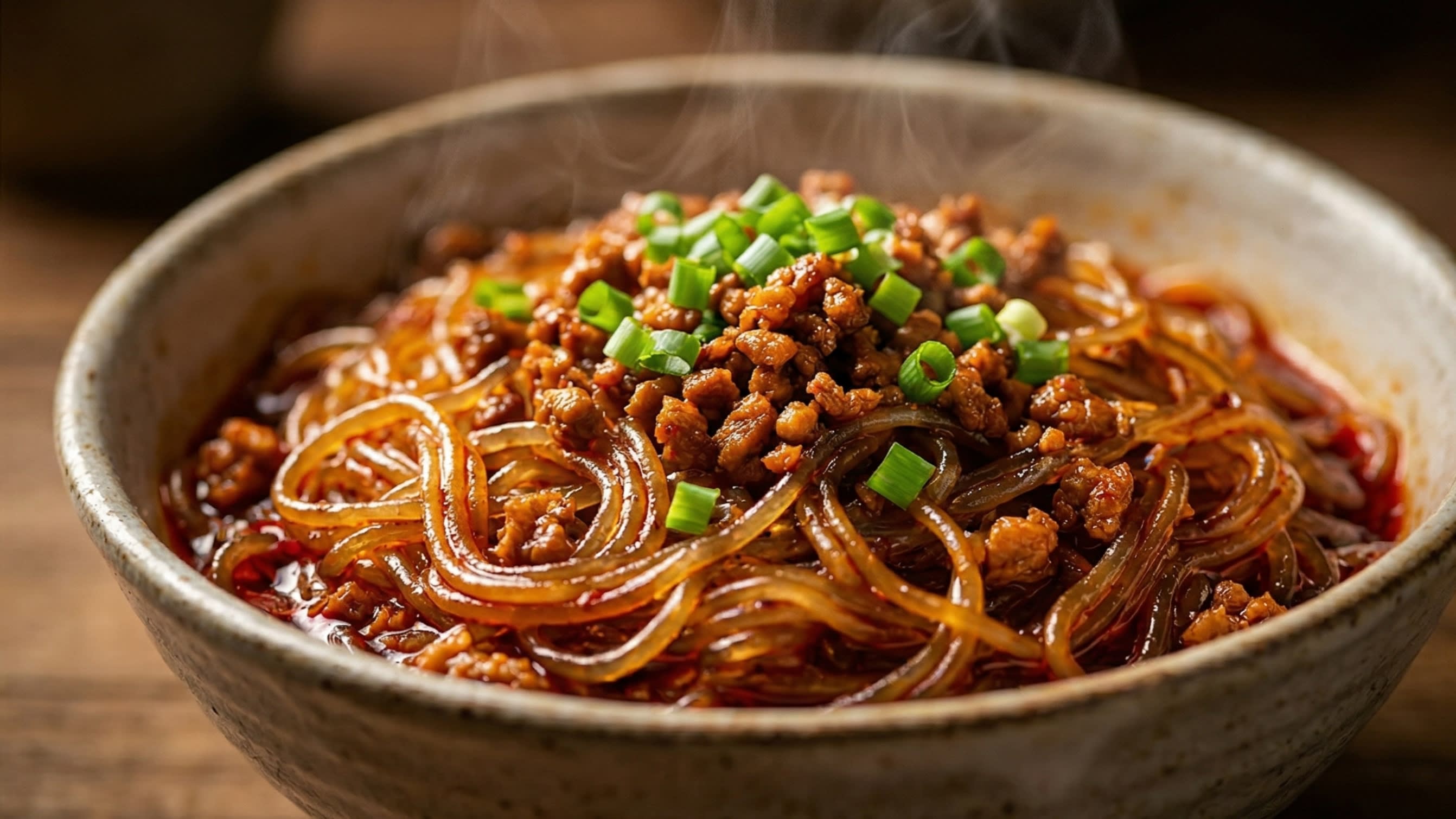
Do not panic—there are absolutely no insects in this recipe! The name is a brilliant visual metaphor. The “tree branches” are beautifully translucent, slippery mung bean glass noodles. The “ants” are tiny, intensely flavorful, caramelized morsels of minced pork that cling tightly to the noodles.
When executed perfectly, this dish is a textural masterpiece and the ultimate comfort food. The noodles are incredibly springy and slurpable, acting like microscopic sponges that absorb a deeply savory, slightly spicy, and umami-packed broth made from fermented chili bean paste and soy sauce.
However, for Western home cooks, cooking glass noodles is notoriously difficult. If you treat them like Italian pasta, you will end up with a giant, unchewable, sticky ball of glue glued to the bottom of your wok. Furthermore, getting the “ants” to actually stick to the “tree” instead of falling to the bottom of the bowl requires a specific culinary mechanism.
Today, we are going to dive into the physics of mung bean starch, teach you the foolproof restaurant hack to prevent noodle clumping, and show you exactly how to build the fiery, savory sauce that makes this dish a legendary Sichuan staple.
🔬 The Science of Glass Noodles (粉丝的物理学)
The undisputed star of this dish is Fěnsī (粉丝 - Glass Noodles / Cellophane Noodles). Made purely from mung bean starch and water, these noodles are fundamentally different from wheat noodles or rice noodles.
1. Do Not Boil Them! (温水泡发)
If you throw dry glass noodles into a pot of rapidly boiling water, the extreme heat will instantly gelatinize the exterior starch, turning them into a mushy, sticky disaster before the inside even cooks. The authentic technique is Pàofā (泡发 - Rehydrating). You must soak the dry noodles in warm water (not boiling!) for about 15 minutes. They will slowly absorb the water, becoming pliable, flexible, and translucent, while maintaining their internal structural integrity.
2. The Scissor and Oil Hack (防粘绝招)
Once the noodles are soft, you must drain them thoroughly. Then, take a pair of kitchen scissors and cut the long threads in half (about 4 to 5 inches long). If you don’t cut them, they will tangle into a giant knot in the wok. Finally, toss the soaked, drained noodles with 1 teaspoon of cooking oil. This creates a microscopic slick barrier that prevents them from sticking together when they hit the hot pan!
🧲 The Binding Secret: How the Ants Climb the Tree
The biggest complaint from home cooks is: “My minced pork just falls to the bottom of the bowl!” How do Chinese chefs get the meat to stubbornly cling to the slippery noodles? It is an elegant exercise in culinary chemistry. We do not use cornstarch to thicken the sauce in this recipe. Instead, we use the noodles themselves! After we vigorously stir-fry the minced pork (肉末 - Ròumò) and the spicy aromatics, we add chicken broth and the soaked noodles to the wok.
As the noodles braise in the bubbling broth, they release a tiny amount of their own mung bean starch into the liquid. As the broth reduces (收汁 - Shōuzhī), this natural starch thickens the red oil sauce into a sticky, glossy glaze that physically binds the heavy, savory pork crumbles directly to the noodle strands.
🛒 Ingredients List
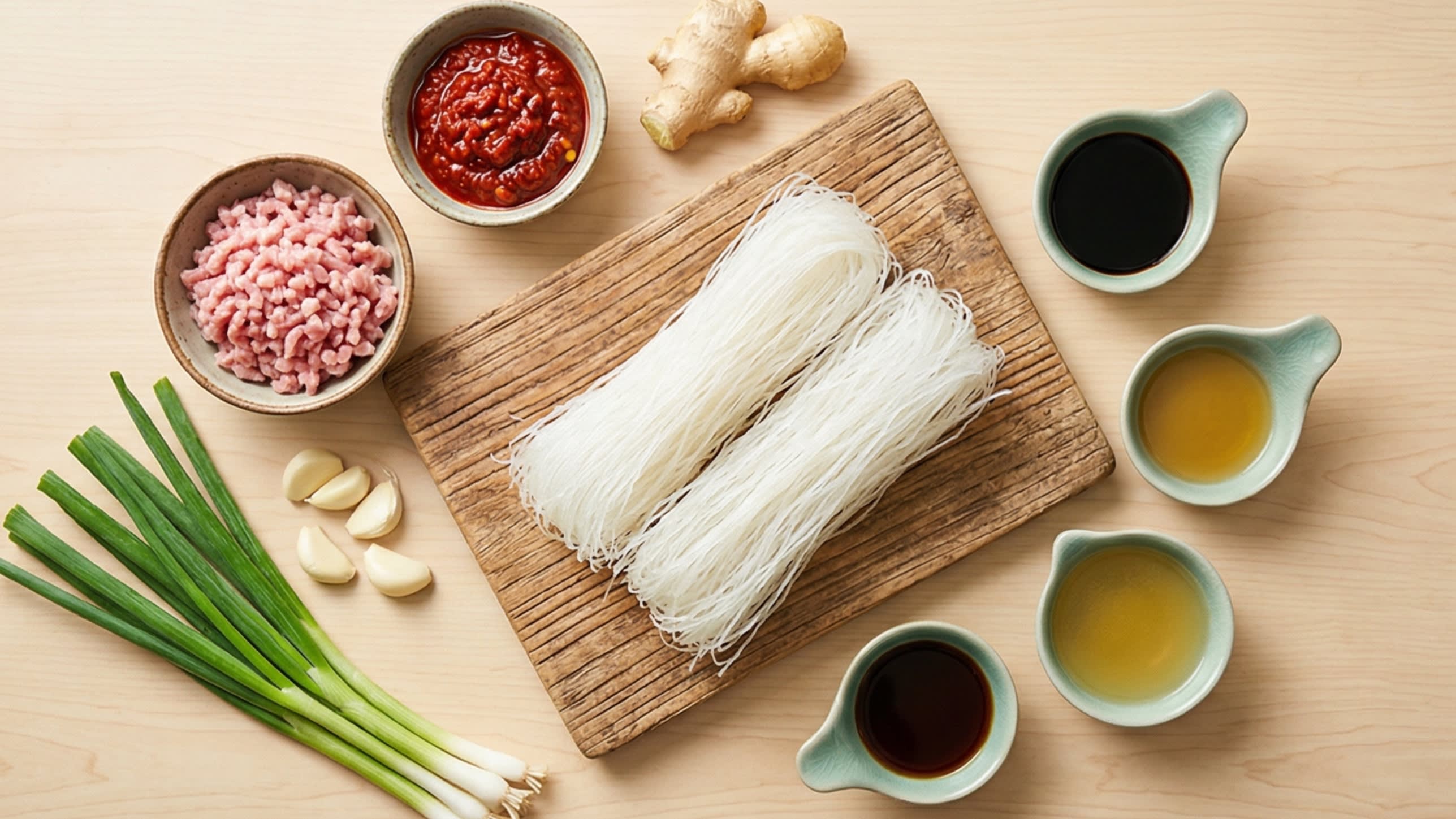
The Noodles & Prep:
- 2 bundles (about 3.5 oz / 100g) Mung Bean Glass Noodles (粉丝 - Fěnsī). Soaked in warm water for 15 mins, drained, cut, and tossed with 1 tsp oil.
- 1 cup High-Quality Chicken Broth (or water)
The “Ants” (Savory Pork Mixture):
- 1/4 lb (about 115g) Ground Pork (肉末 - Ròumò). Must be very finely minced so it resembles tiny ants! For a vegan version, use finely crumbled firm tofu or minced shiitake mushrooms.
- 1 tbsp Shaoxing Cooking Wine (绍兴酒)
- 2 tbsp Cooking Oil
The Sichuan Flavor Engine:
- 1.5 tbsp Pixian Doubanjiang (郫县豆瓣酱) - Fermented chili broad bean paste. This is the absolute soul of the dish, providing the red oil and savory heat! Minced finely.
- 4 cloves Garlic, finely minced (蒜末)
- 1 thumb-sized piece of fresh Ginger, finely minced (姜末)
- 3 stalks Scallions (葱花), finely chopped. Separate the white parts from the green leaves.
The Seasoning:
- 1 tbsp Light Soy Sauce (生抽)
- 1/2 tsp Dark Soy Sauce (老抽) - Crucial for the dark, appetizing color!
- 1/2 tsp Sugar (糖) - To balance the heat and saltiness.
🍳 Step-by-Step Instructions
1. Prep the Glass Noodles (泡发): Submerge the dry glass noodles in a large bowl of warm water (around 100°F/40°C) for 15 minutes. Once they are soft and pliable, drain them completely. Use kitchen scissors to cut them into 5-inch lengths so they are easy to stir-fry and eat. Toss them with 1 tsp of cooking oil and set aside.
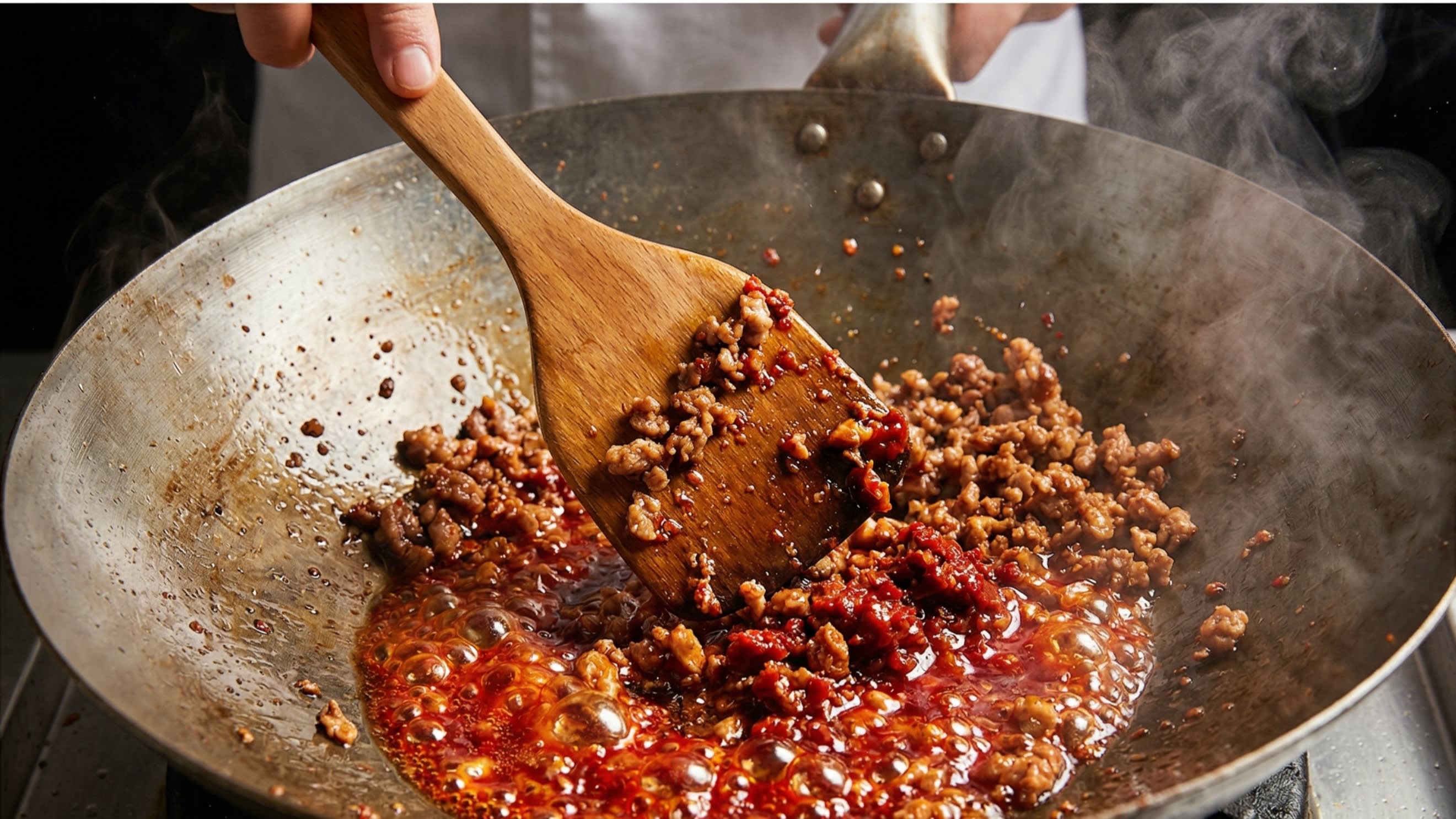
2. Render the “Ants” (煸炒肉末): Heat a wok or large skillet over medium heat. Add 2 tablespoons of cooking oil. Add the finely minced ground pork. Use your spatula to aggressively break the meat apart into the tiniest crumbles possible. Stir-fry for 2 to 3 minutes until the water evaporates and the pork turns deeply golden-brown and crispy (煸香 - Biānxiāng). Add the Shaoxing wine to deglaze the pan.
3. Release the Red Oil (炒出红油): Push the crispy pork to the side of the wok. In the center, where the hot oil is pooling, add the minced Pixian Doubanjiang (豆瓣酱). Sauté the paste in the oil for 30 seconds. You will see the oil miraculously turn a vibrant, glowing ruby red. This is the hallmark of authentic Sichuan cooking!
4. Sizzle the Aromatics: Add the minced garlic, minced ginger, and the white parts of the scallions to the red oil. Stir-fry everything together with the pork for another 30 seconds until the kitchen smells incredibly fragrant.
5. The Braise (焖煮入味): Pour the 1 cup of chicken broth into the wok. Add the light soy sauce, dark soy sauce, and sugar. Turn the heat up to medium-high and bring the broth to a lively boil. Now, add your prepared glass noodles. Use chopsticks or a spatula to press the noodles down so they are submerged in the savory red broth.
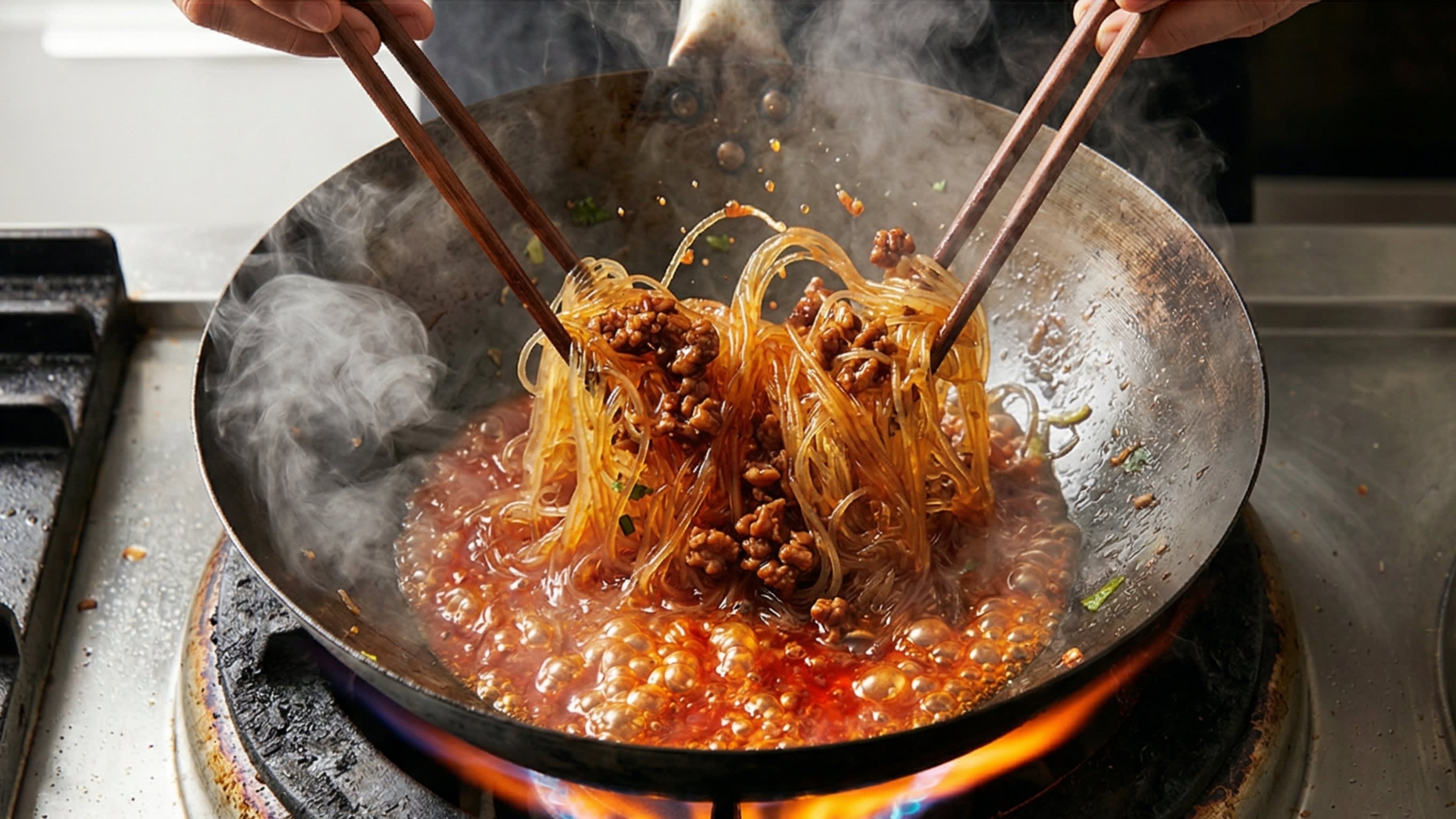
6. The Reduction (大火收汁 - Dàhuǒ shōuzhī): Let the noodles actively simmer in the broth for about 3 to 5 minutes, tossing them occasionally. You will see the noodles acting like sponges, eagerly drinking up the liquid and turning a beautiful dark mahogany color. Keep cooking until almost all the watery liquid has evaporated, leaving behind only a thick, sticky, glossy oil glaze that binds the pork to the noodles.
7. Garnish and Serve: The moment the liquid is gone (do not let it burn to the bottom!), turn off the heat. Toss in the vibrant green parts of the scallions. Give it one final mix. Plate immediately. The noodles should be incredibly slurpable, perfectly coated in the savory meat, and completely separated. Serve hot, and enjoy the most delicious “ants” you will ever eat!
💡 Troubleshooting & Pro Tips
- My noodles turned into a sticky, unchewable lump! You made one of three mistakes: You boiled them in water first instead of soaking them; you forgot to cut them with scissors; or you didn’t toss them with a little oil before adding them to the wok. Follow the prep steps carefully!
- The dish is a watery soup. You didn’t let the broth reduce enough in Step 6. The essence of this dish is that the noodles absorb the liquid. You must be patient and perform a proper Shou Zhi (收汁 - Sauce Reduction) until only the red oil and starches remain to coat the noodles.
- Can I use Rice Noodles instead? No! Rice noodles (like those used in Pad Thai or Pho) have a completely different starch structure. They will become mushy if braised this way. You absolutely must use Mung Bean Glass Noodles (粉丝) or Sweet Potato Glass Noodles, which retain their chewy, springy texture even after absorbing massive amounts of liquid.
📦 Shop Authentic Sichuan Essentials
To capture the authentic, complex, savory, and spicy flavor profile of a true Sichuan restaurant, these specific ingredients are absolutely mandatory. (As an Amazon Associate, ChinaCurator earns from qualifying purchases.)
- Longkou Mung Bean Glass Noodles (龙口粉丝) - The absolute mandatory noodle for this dish. They provide the perfect springy, sponge-like texture that absorbs the savory broth without turning to mush.
- Pixian Doubanjiang (郫县豆瓣酱) - The soul of Sichuan cooking. This fermented chili broad bean paste provides the essential savory heat and the signature glowing red oil.
- Pearl River Bridge Dark Soy Sauce (老抽) - Essential for giving the translucent noodles that appetizing, dark mahogany restaurant color.
- Traditional Carbon Steel Wok - The ultimate vessel for rapidly reducing the broth and tossing the sticky noodles without them sticking to the pan.