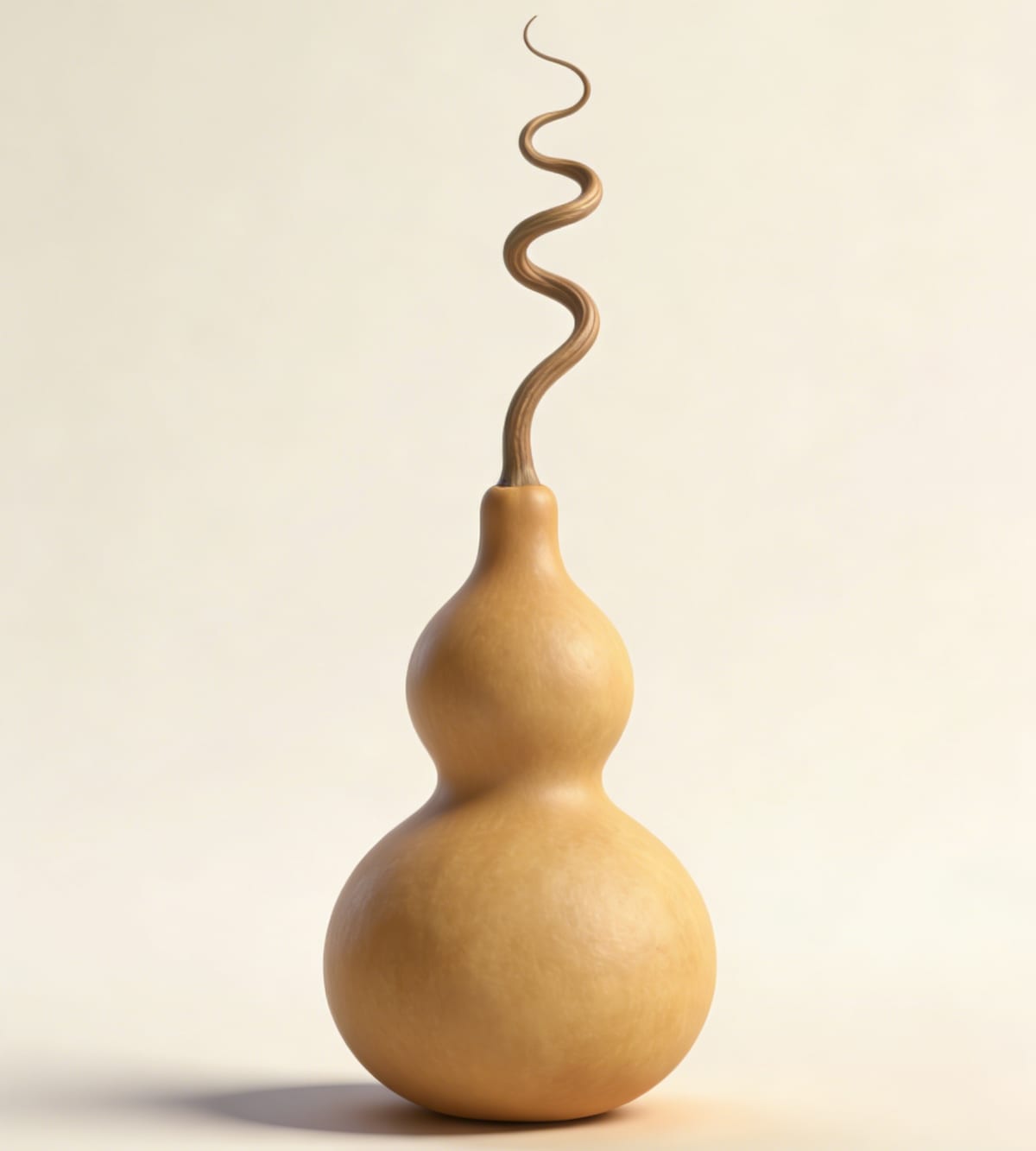
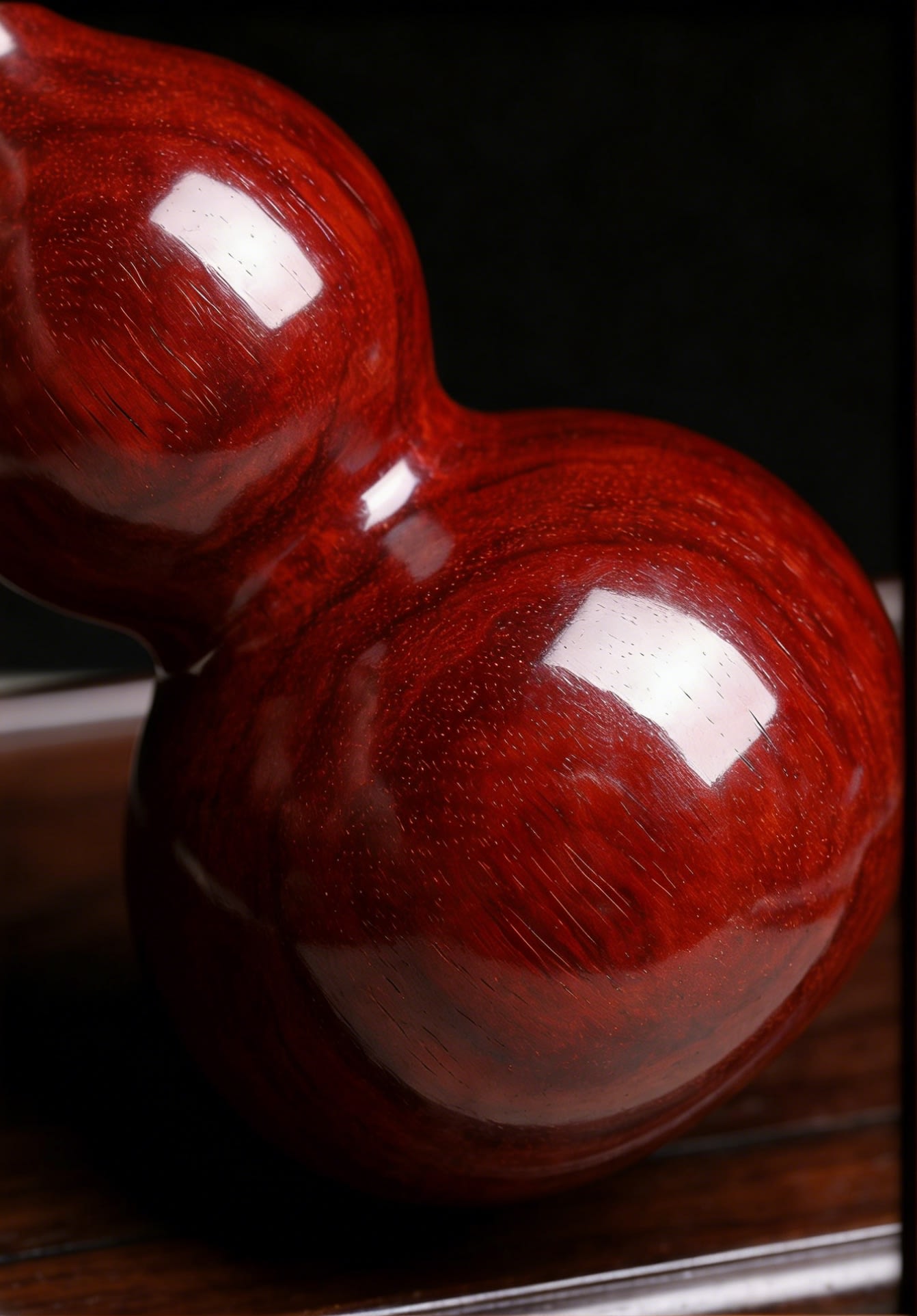
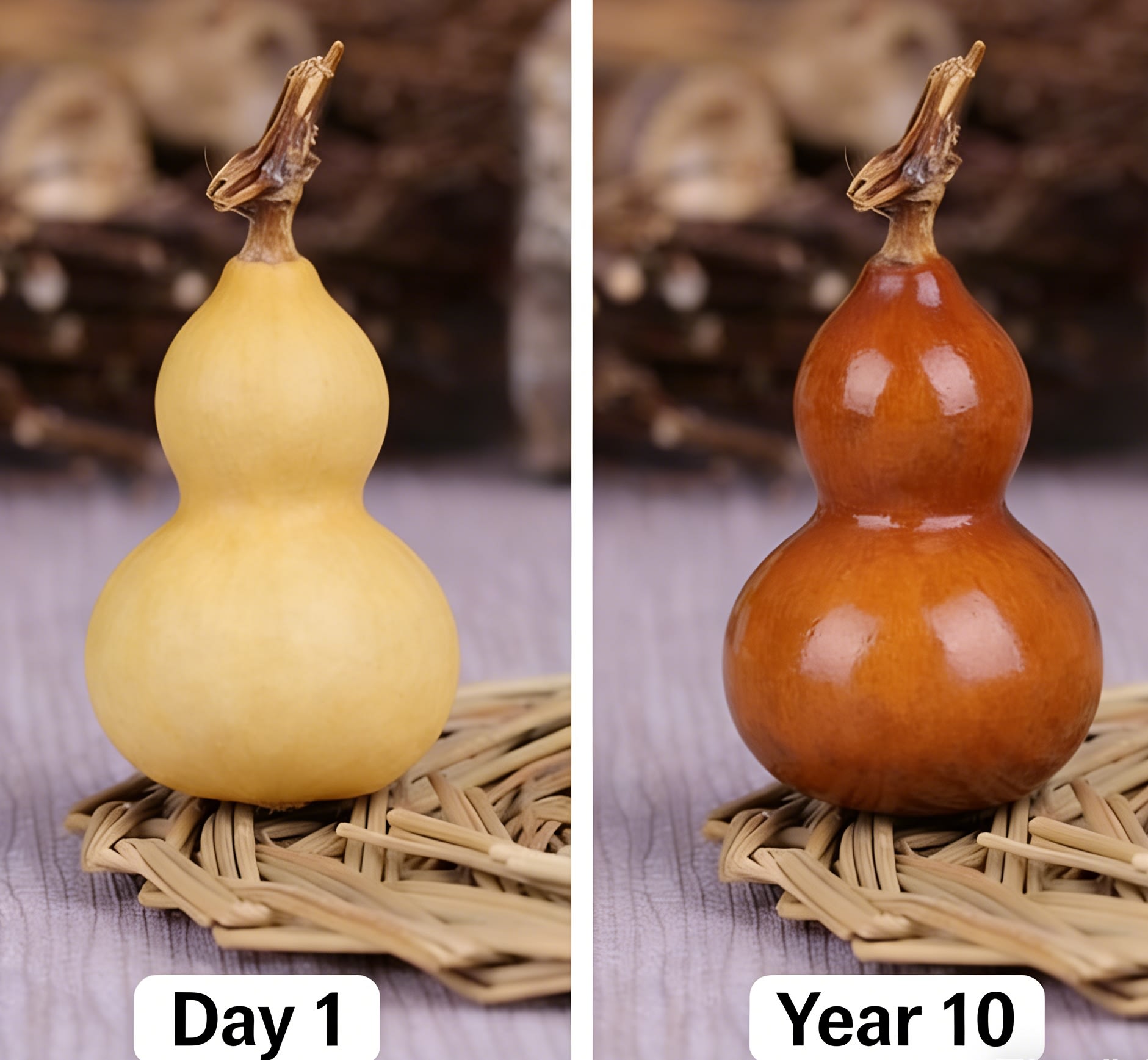
In the world of Chinese literati collectibles, a gourd is more than an object; it is a living partner. While a jade carving remains static, a Wenwan Gourd (文玩葫芦 húlu) evolves. It begins its journey as a humble, pale-yellow dried vegetable and, through years of dedicated “playing” (Panwan), transforms into a radiant, mahogany-colored masterpiece that glows like polished amber.
For the modern professional—perhaps a project manager navigating a multi-floor office renovation or a tech enthusiast managing a home NAS system—the gourd offers a rare tactile escape. It is a hobby that rewards the same precision and patience required to oversee a complex technical specification. This guide explores the advanced techniques of selection, the critical initial cleaning phase, and the high-precision maintenance required to achieve a professional-grade patina.
1. The Philosophy of the “Hulu”
The word for gourd, hulu, is a homophone for fulu (福禄), representing “fortune and wealth.” In Wenwan culture, we do not simply “own” a gourd; we curate its transformation. A gourd that has been polished for a decade is a physical record of the owner’s focused attention and consistency.
2. Selection: The Foundation of Success
Just as a project requires a solid proposal, a great Baojiang (patina) requires a high-quality “raw” gourd. If the skin density is low, the color will always be muddy.
| Selection Criteria | What to Look For | Professional Red Flags |
|---|---|---|
| Skin Density | A heavy feel relative to size; a metallic "clack" when tapped with a fingernail. | Light, "papery" texture; a dull, hollow sound. |
| Symmetry | A perfect "8" shape with a sturdy, upright stem (Longtou). | Crooked neck or brittle, easily broken stems. |
| Skin Color | Uniform cream or "virgin" yellow without bruising. | Large green or gray patches (indicating premature harvest). |
| Surface Integrity | Smooth, poreless skin that reflects light even before playing. | Visible scarring, insect bites, or deep "sun-scorch" marks. |
3. Dealing with Imperfections: The “Black Spot” Protocol
One of the most frequent challenges for a curator is the appearance of black spots. These are often caused by improper drying or handling with damp hands.
Professional Restoration Steps:
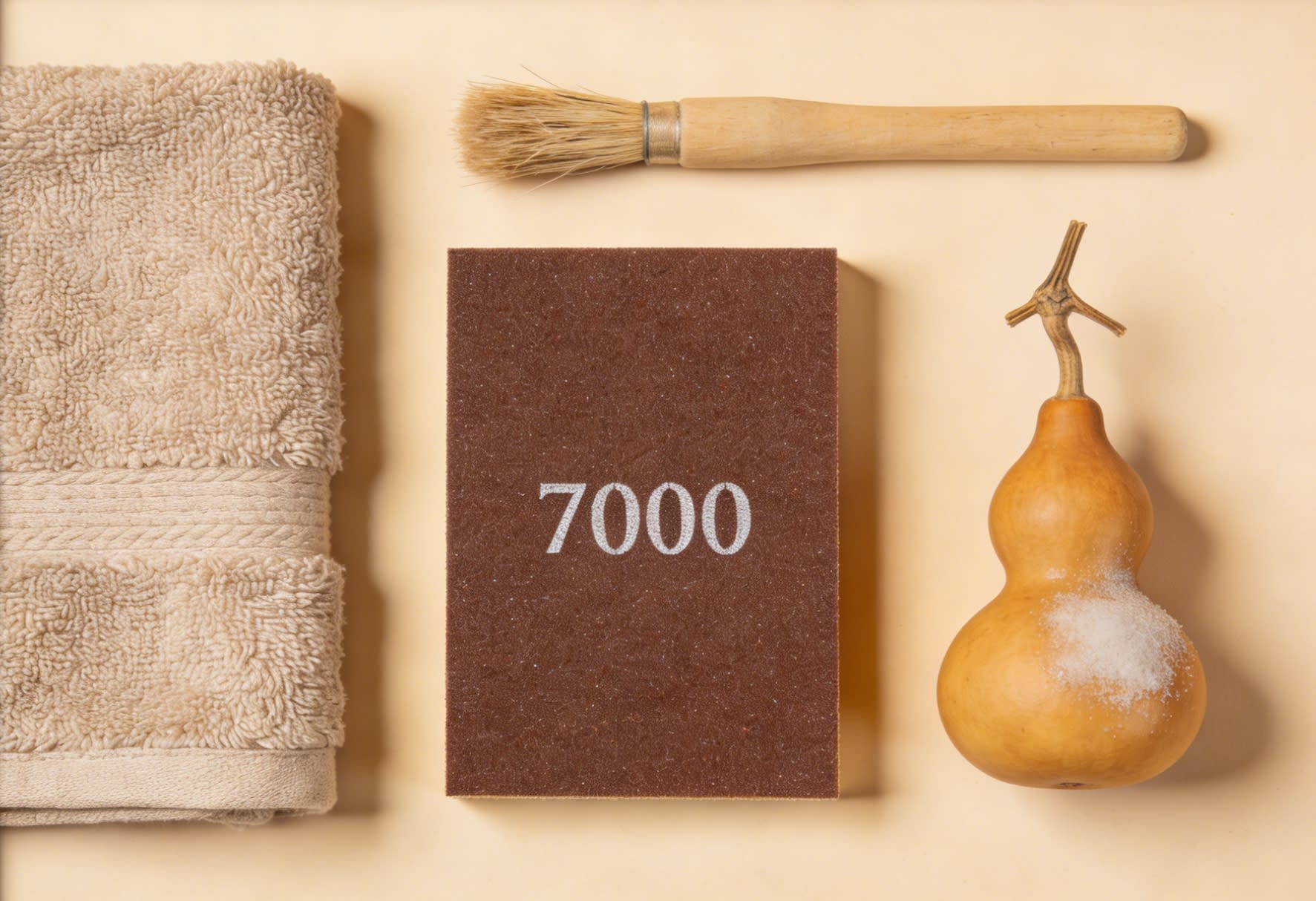
- Mechanical Cleaning: Use a dry, high-density nano-sponge or a specialized Wenwan polishing cloth. Rub the spot in a circular motion with consistent, medium pressure.
- Fine-Grit Polishing: If the spot is embedded in the epidermis, use a tiny piece of 5000-7000 grit sandpaper. You must be extremely careful to only “shave” the microscopic top layer of the spot.
- Stabilization: After removal, do not touch the area with your fingers for 48 hours. Let the natural protective oils of the gourd redistribute to seal the “wound.”
4. Advanced “Panwan” Techniques
Achieving a glassy, translucent finish requires a disciplined schedule. Think of it as a long-term project with specific milestones.
The “Clean Hands” Mandate
The oils on your skin are the “fuel” for the patina, but sweat and dirt are the enemies. Always wash your hands with oil-free soap before handling your gourd. If you are a “sweaty-palm” player, use a pure cotton glove for the first six months.
The Cycle of Oxidation
- Week 1-4: 20 minutes of daily play with a soft cloth to “close” the pores.
- Month 2-6: Direct hand contact. The gourd will start to turn a light honey color.
- The “Rest” Phase: For every 5 days of play, let the gourd sit in a dark, dry silk bag for 2 days. This allows the absorbed oils to oxidize and harden into the Baojiang layer.
5. The Modern Context: Why We Slow Down
In an age where we rely on high-speed EVs like the Tesla Model Y or manage complex web environments like chinesecurator.com, the gourd is a grounding force. It is a physical reminder that not everything can be optimized for speed.
You cannot “buy” a 20-year patina; you can only live it. The warmth and color of the gourd are a direct reflection of your own life’s temperature and the time you have invested.
6. Pro Tips for 2026 Collectors
- Avoid Chemicals: Never use olive oil or walnut oil to “cheat.” These will eventually turn the gourd dark and “dead” (muddy).
- Climate Control: If you live in a dry environment, keep your collection in a wooden case with a small humidity-control pack (around 45-50%).
- The “Longtou” Protection: The stem is the most fragile part. Consider reinforcing it with a small drop of specialized resin or a decorative silk wrap to prevent it from snapping off during play.
Final Thoughts
Wenwan is a journey of refinement—both for the object and the curator. Whether you are holding a miniature Hulu or a large vessel, remember that every touch counts toward its final, golden destiny.
Mastered the gourd? Explore the next level of literati playthings in our Guide to Wenwan Walnuts and Beads.

