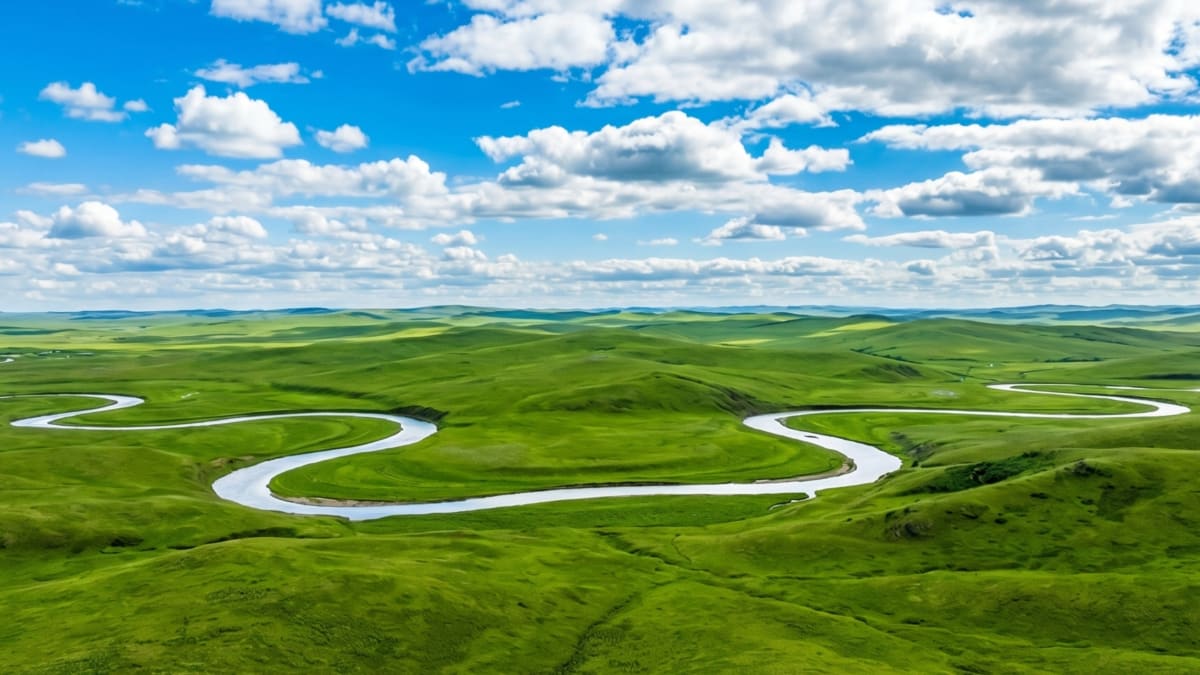
In 2026, where can you still find a horizon that refuses to end? The answer lies in the North. Inner Mongolia (内蒙古 - nèi měng gǔ) is not merely a province; it is a profound state of mind, a vast frontier that challenges your perception of scale and time. As a curator of China’s most authentic landscapes, I have ventured far beyond the fenced tourist paths to bring you this definitive guide to the 5A-rated Grasslands (大草原 - dà cǎo yuán). Whether you are a student planning a budget-friendly soul-searching escape from the industrial charm of Shenyang, or a global explorer seeking a retreat into silence, the steppe is calling.
The Emerald Empire: Why 2026 is the Year of the Steppe
Inner Mongolia has long been a dream for the intrepid, but in 2026, it is more accessible than ever. The expansion of the North-Border HSR Loop (北疆高铁环线 - běi jiāng gāo tiě huán xiàn) has effectively shortened the distance between the modern concrete jungle and the raw beauty of the Hulunbuir Grassland (呼伦贝尔大草原 - hū lún bèi ěr dà cǎo yuán). From Beijing, you can reach this verdant expanse in under five hours. But once the bullet train comes to a halt and you step onto the platform, the digital noise of the city begins to dissolve into the rhythmic rustle of the wind.
The air here possesses a crisp, “sweet” quality that feels like a physical tonic. In 2026, the local government has enforced a strict “Nomadic Heritage Protection” policy, ensuring that these 5A zones remain free from the eyesores of heavy, permanent commercial construction. You are receiving 5A-standard amenities paired with a view that has remained largely unchanged for a thousand years.
Personally, my favorite part of the journey is the unpredictable shift in the weather. One moment, the sun is painting the grass in hues of electric lime; the next, a swift, cool breeze carries the scent of damp soil and ancient history. You truly need a reliable windbreaker for this trip, because the weather here, as locals say, “changes faster than flipping a book” (翻脸比翻书还快 - fān liǎn bǐ fān shū hái kuài).
Phase 1: Hulunbuir – The World’s Emerald Standard
If you are only going to visit one grassland in your lifetime, make it Hulunbuir. It is the gold standard of China’s 5A natural landscapes.
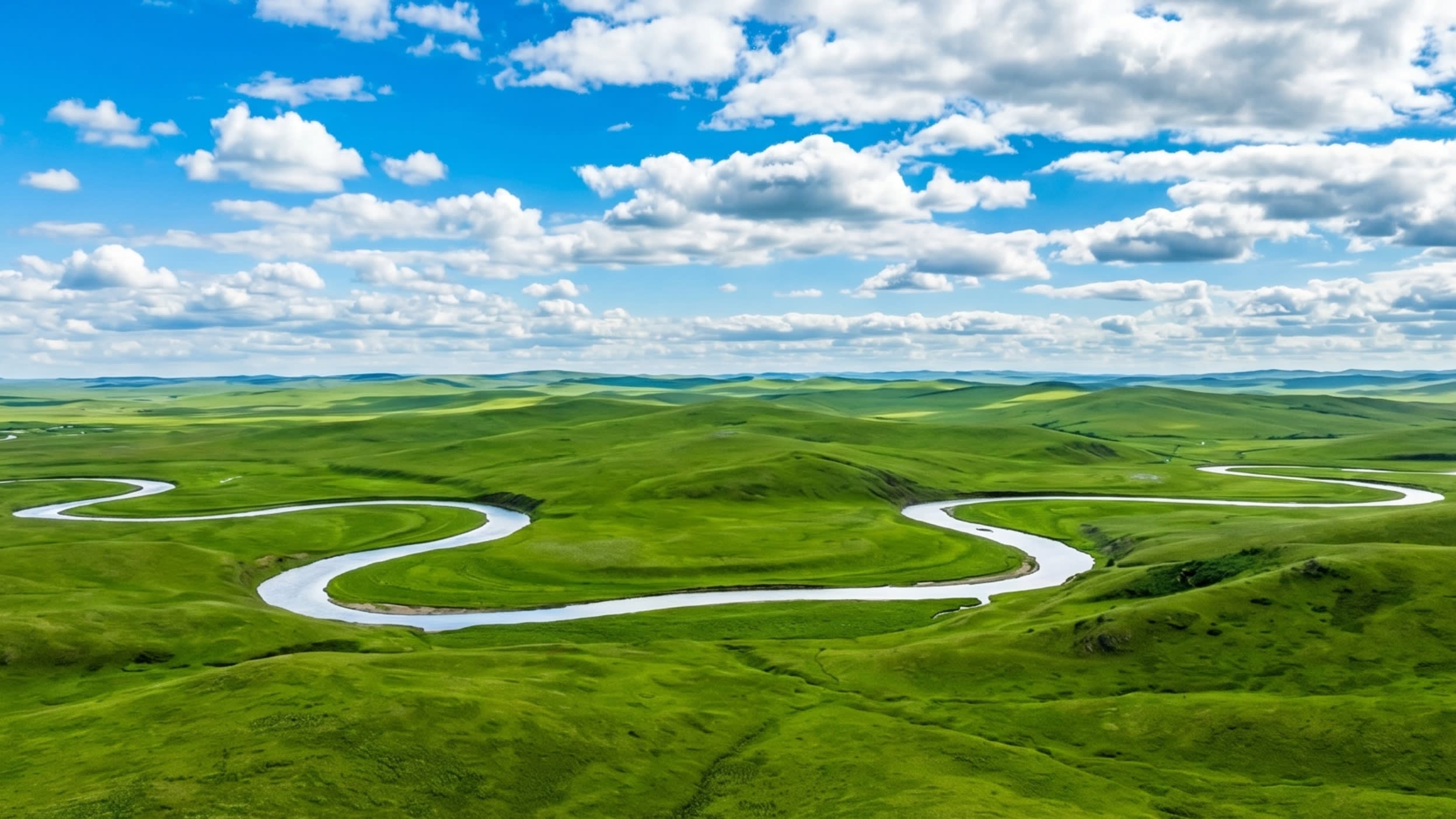
The Morigele River (莫日格勒河 - mò rì gé lè hé)
This river is not just a waterway; it is a shimmering silver ribbon draped carelessly across an endless green velvet tapestry. It is known as the “World’s First Curvy Water.” In 2026, the most rewarding way to appreciate its serpentine grace is from an unobtrusive, low-impact observation balloon, which provides a bird’s-eye perspective without crushing the delicate soil of the banks.
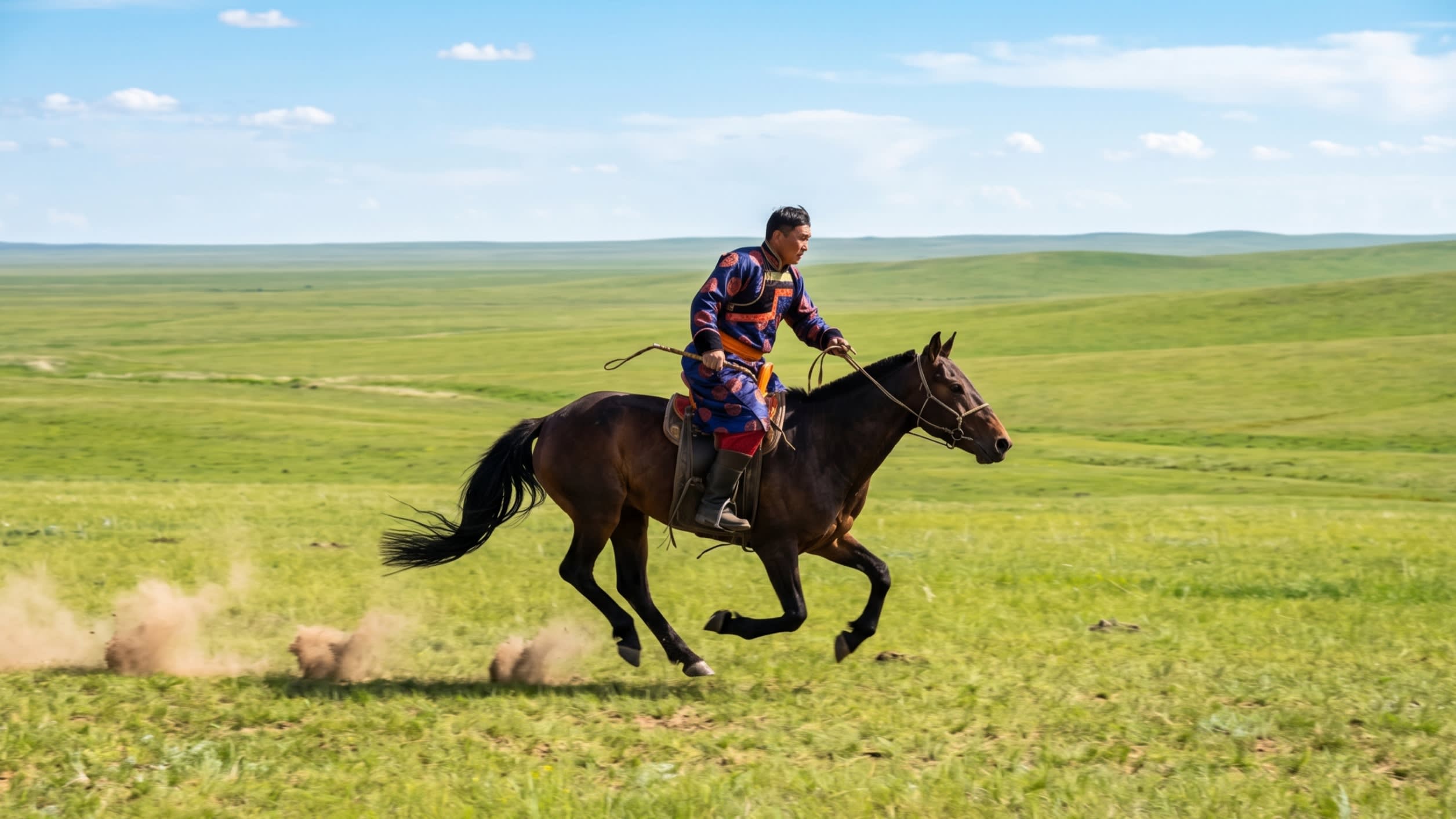
Nomadic Galloping (策马奔腾 - cè mǎ bēn téng)
Riding a horse here is not an amusement park experience; it is a primal dialogue between rider and earth. I always suggest hiring a local herdsman as your personal guide. They possess an uncanny knowledge of the land, the stars, and the subtle shifts in the grass.
“If you don’t gallop across the fields, you haven’t really arrived,” I often tell my friends. The feeling of the wind whipping against your face while the earth thunders beneath your horse’s hooves is the definition of sa (飒 - a sense of cool, effortless spirit). Yes, your muscles will ache the next morning, but the freedom is worth every bit of soreness.
Phase 2: Arxan – Where Forests Embrace Volcanoes
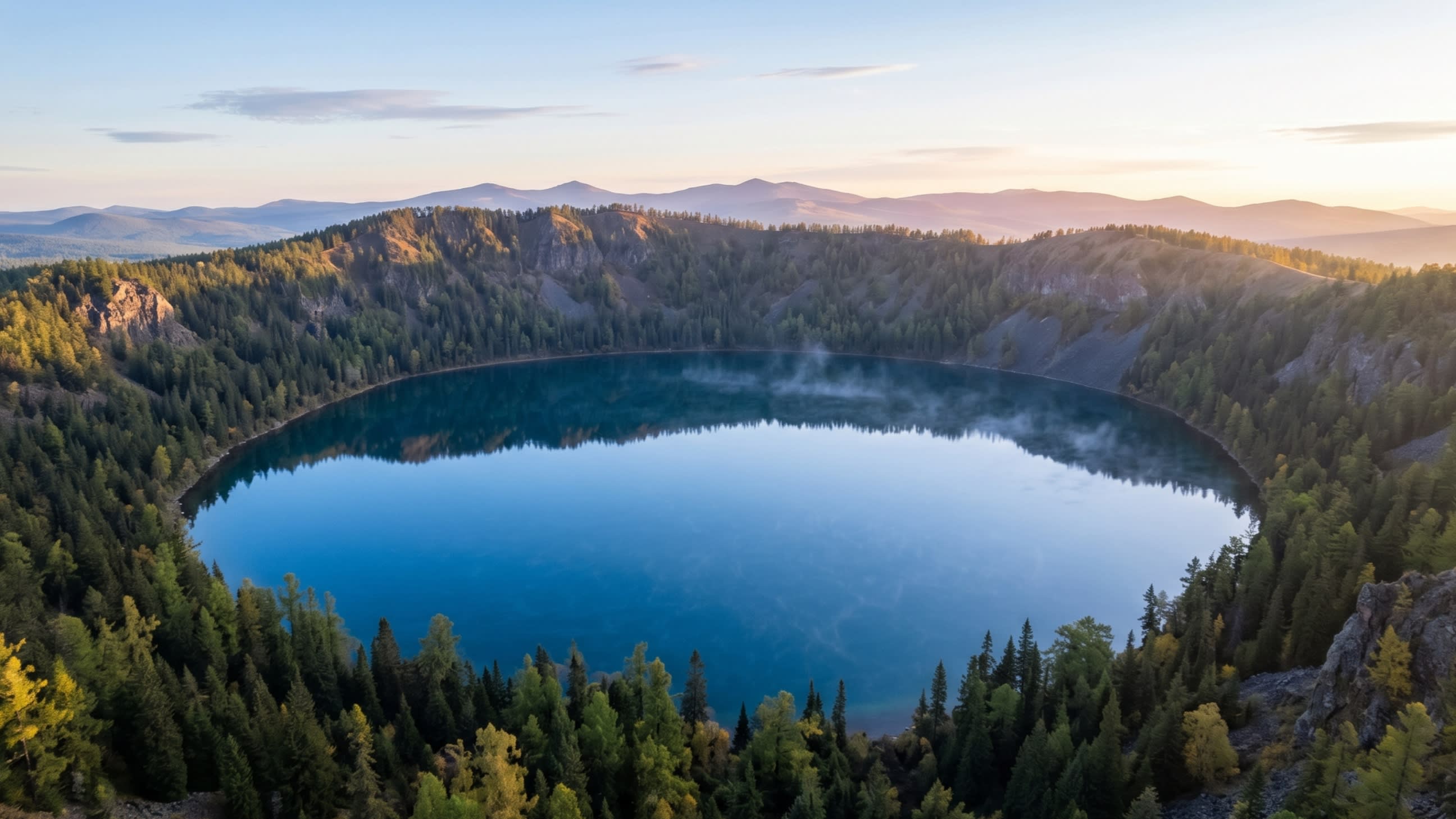
If Hulunbuir represents the concept of “Vastness,” Arxan (阿尔山 - ā ěr shān) is the master of “Variety.” This 5A National Forest Park marks the dramatic intersection where the rolling grasslands meet the dense, whispering forests of the Greater Khingan Mountains (大兴安岭 - dà xīng ān lǐng).
- The Heavenly Lake (天池 - tiān chí): Unlike the famous alpine lakes in the west, Arxan’s Heavenly Lake is a volcanic crater. It is an isolated bowl of water, fed only by the sky, maintaining a clarity that is almost disorienting.
- The Healing Springs: The name “Arxan” literally translates to “Hot Holy Water” in the Mongolian language. After a day of trekking, I find that soaking in the local mineral springs—infused with traditional Mongolian herbal blends—is the ultimate way to soothe the body.
Autumn in Arxan is, to put it plainly, a sensory overload. The mountains burn with gold and crimson, reflecting against the indigo depths of the lakes. Every composition through your camera lens will look like a masterpiece of high-end cinematography. If you are a photography enthusiast, ensure your camera gear is well-protected against the dust and the sudden mountain mists.
Phase 3: The Fuel of the Steppe – Mongolian Feast
Food in Inner Mongolia is a testament to the culture of “Authenticity” (正宗 - zhèng zōng). It is bold, caloric, and deeply communal.
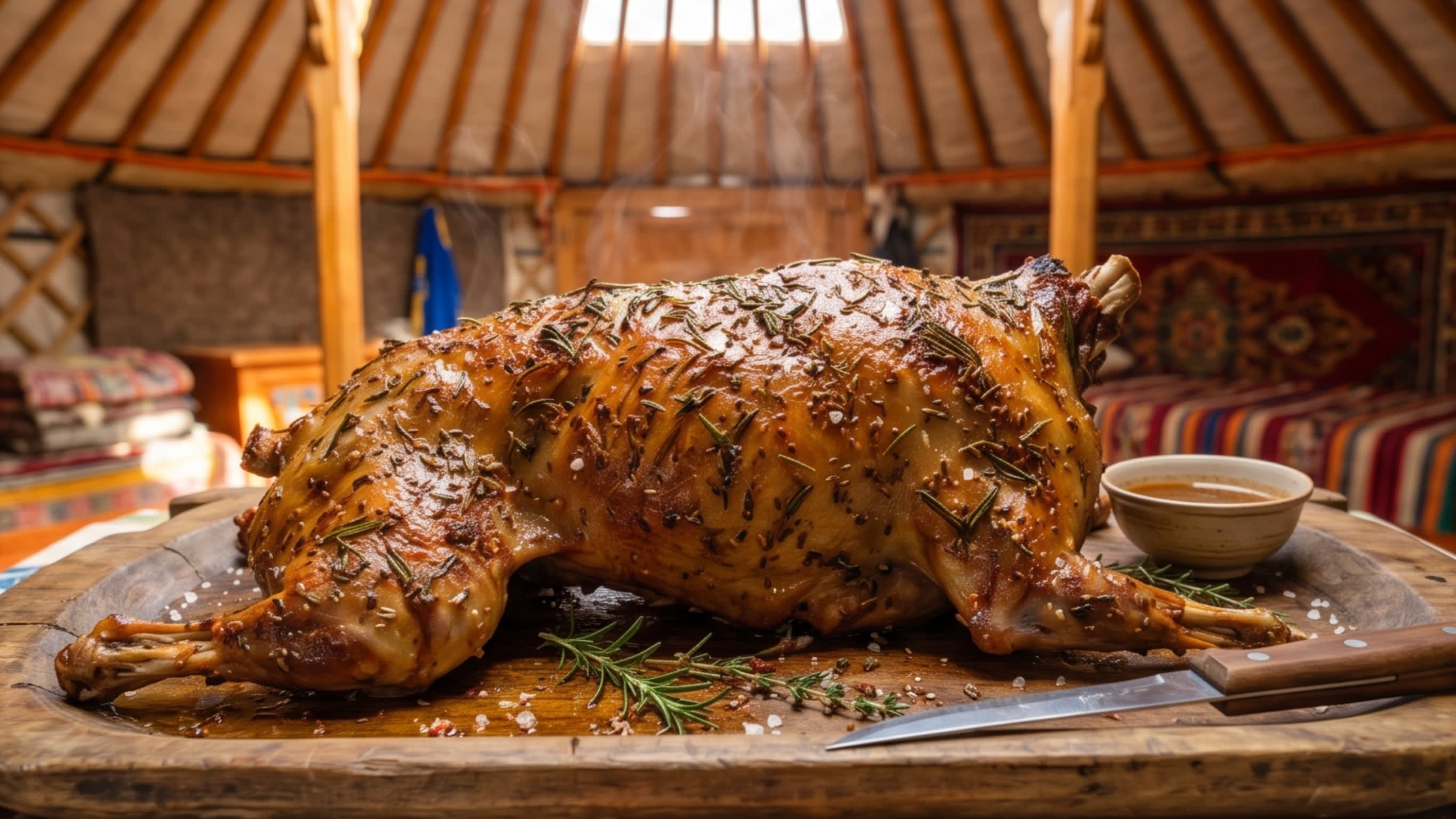
- Roasted Whole Lamb (烤全羊 - kǎo quán yáng): This is the high-ceremony welcome. The skin crackles under your knife, revealing tender, fragrant meat beneath. In 2026, many 5A-registered camps provide a “Nomadic Banquet,” where the carving of the lamb is performed alongside the haunting, resonant beauty of traditional Khoomei (呼麦 - hū mài) throat singing.
- Salty Milk Tea (蒙古奶茶 - měng gǔ nǎi chá): Abandon any expectations of sugary boba. This is a nourishing, savory broth made from brick tea, rich fresh milk, a pinch of salt, and often supplemented with crunchy bits of beef jerky or fried dough. It is the lifeblood of the nomad, keeping the body warm during the frigid nights.
“When you eat on the grassland, leave the diet at home,” I warn travelers. The portions are staggering. When a platter of hand-grabbed mutton arrives, the expectation is simple: eat deeply and drink with abandon. That bold, untethered feeling is the true essence of the steppe.
Grassland Comparison Matrix (2026 Edition)
Phase 4: A Night in a Yurt – Sleeping Under the Stars
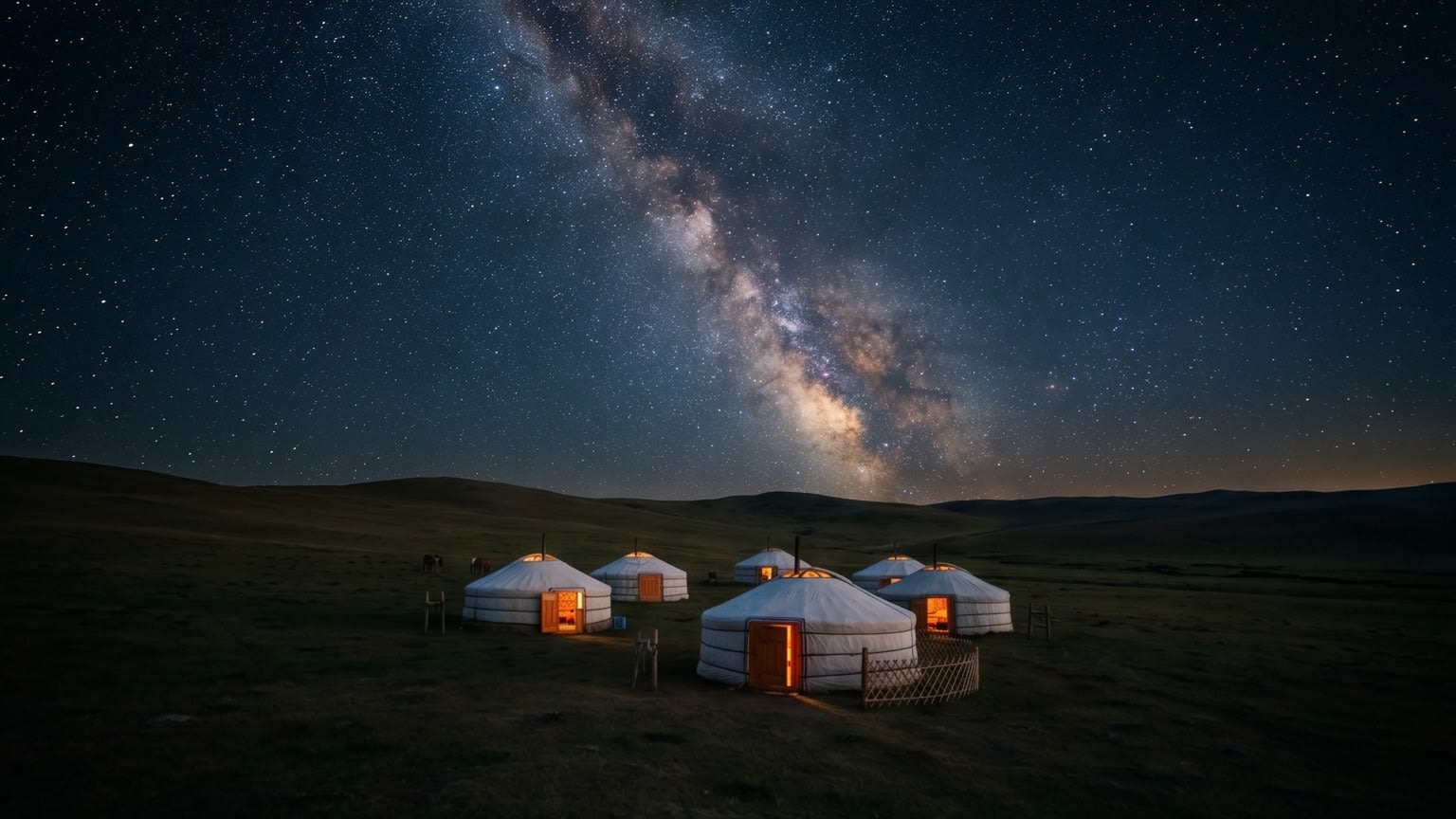
The Mongolian Yurt (蒙古包 - měng gǔ bāo) remains the definitive symbol of nomadic architecture. In 2026, your accommodation options have evolved into two main tiers: “Traditional Heritage” and “Star-View Luxury.”
The Star-View options feature transparent glass ceilings, allowing you to lie in comfort while watching the Milky Way rotate across the velvet sky above—a spiritual experience that makes the long trek to the North feel insignificant compared to the cosmos. At 2:00 AM, the silence is total; you can actually hear the quiet settling over the earth. It is the ultimate digital detox. Just remember, the temperature drops rapidly at night, so keep a high-quality thermal base layer packed and ready.
Traveler’s Language Survival Table (Grassland Edition)
Final Thoughts: Finding Your Own Horizon
Traveling through the grasslands is an exercise in scale. It makes you feel small, but in the best way possible. In 2026, as our world becomes increasingly frantic and interconnected, the steppe remains one of the final few places where you can truly “unplug” and find a horizon that is uniquely yours.
My best piece of advice? Do not rush from one scenic spot to another. Find a patch of wild grass, sit down, watch the shadows of the clouds racing across the hills, and breathe. Inner Mongolia is not just a place you see; it is a place you feel in your soul. For those looking to master their own journey, check out my tips on staying connected in China or explore the 50 mini-tips for a flawless journey through the Middle Kingdom’s 5A wonders.
🏇 Steppe Explorer’s Survival Checklist
To thrive on the steppe, preparation is key. The grassland sun is surprisingly intense, so a high-SPF sunscreen and a wide-brimmed sun hat (遮阳帽 - zhē yáng mào) are non-negotiable items for your day bag. Despite the heat, nights can plummet to 10°C even in mid-summer; ensure you have a packable lightweight down vest. If you are starting your journey from Shenyang, prioritize the Changchun-Ulanhot-Arxan HSR route for the most scenic transition. Lastly, since the river areas can host aggressive mosquitoes, pack a reliable bottle of repellent (驱蚊液 - qū wén yè) and ensure your travel dates for Arxan and other 5A zones are locked in by booking via their official mini-program 48 hours early.
Disclaimer: As an Amazon Associate, ChinaCurator earns from qualifying purchases.