🥢 Introduction: The Taste of a New Season
If there is one appetizer that universally defines Chinese cuisine across the globe, it is the magnificent Spring Roll (春卷 - Chūnjuǎn).
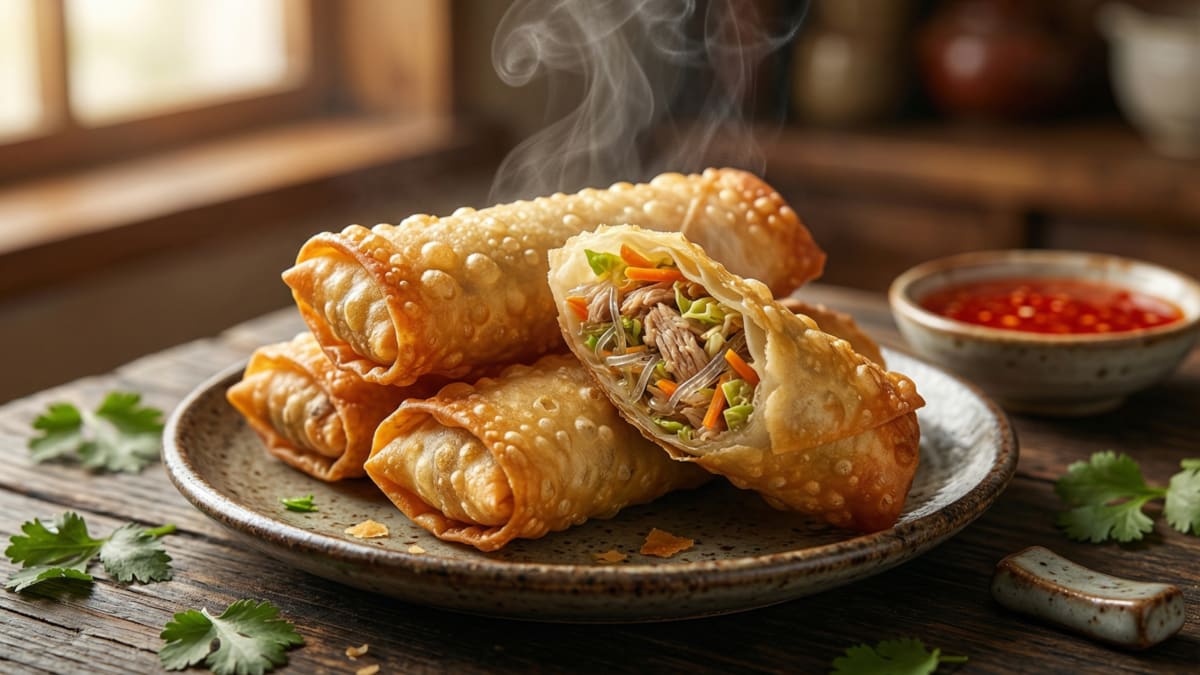
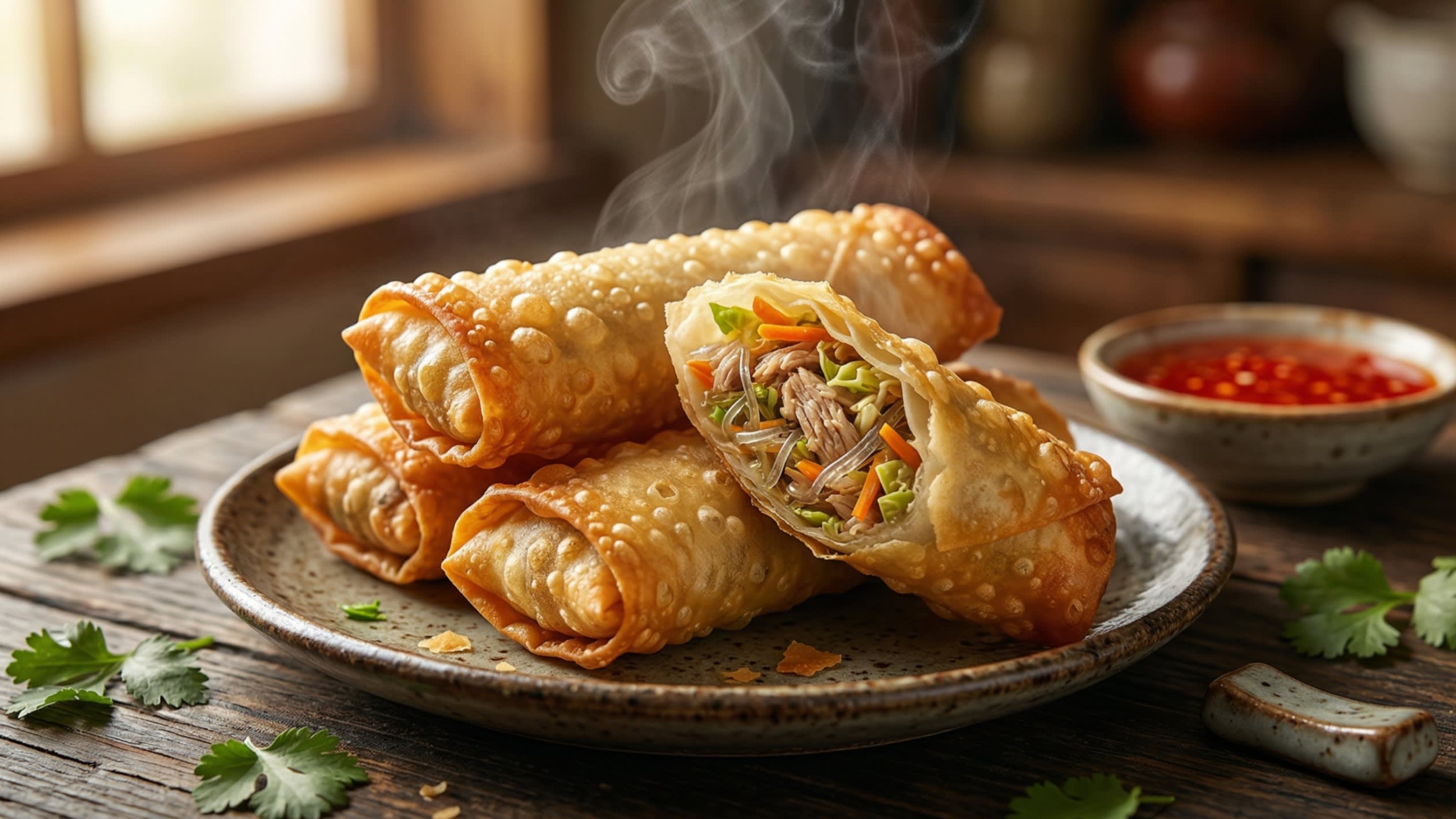
Biting into a perfectly crafted spring roll is an auditory and sensory masterpiece. Your teeth shatter through a paper-thin, blistered, golden crust, immediately giving way to a piping hot, savory, and umami-packed filling of shredded vegetables, tender meat, and slippery glass noodles. It is light, incredibly crispy, and highly addictive.
But before it became a staple of Western takeout menus, the spring roll was a deeply symbolic cultural artifact. In traditional Chinese culture, eating spring rolls during the Spring Festival (Chinese New Year) or the solar term of Lichun (the beginning of spring) is a ritual known as Yǎo Chūn (咬春), which literally translates to “Biting the Spring.” The golden, cylindrical shape represents bars of gold, symbolizing wealth and prosperity for the coming year, while the fresh vegetable filling celebrates the return of life and the harvest to come.
However, making authentic spring rolls at home is often a nightmare for Western cooks. The wrappers tear, the rolls explode in the hot oil, or they emerge from the wok looking like heavy, grease-logged sponges.
Today, we are going to fix all of that. We will decode the absolute differences between spring rolls and egg rolls, teach you the restaurant secrets to a “dry” filling, and show you the exact folding geometry to guarantee a perfect, leak-proof roll every single time.
🆚 The Great Debate: Spring Rolls vs. Egg Rolls
The most common question home cooks ask is: “What is the difference between a Spring Roll and an Egg Roll?” In authentic Chinese cuisine, they are entirely different beasts.
- The Wrapper: Authentic Spring Roll Wrappers (春卷皮 - Chūnjuǎn pí) are made from a simple mixture of wheat flour and water, rolled paper-thin. When fried, they become shatteringly crisp, smooth, and incredibly light. Egg Roll Wrappers, an American-Chinese invention, contain eggs and are much thicker. When fried, they develop a heavy, chewy, highly blistered and bumpy crust.
- The Filling: Spring rolls focus on delicate, finely julienned (shredded) ingredients—carrots, cabbage, shiitake mushrooms, and glass noodles. Egg rolls usually contain much heavier, chunkier fillings, often relying heavily on roasted pork and thick cabbage.
If you want an elegant, light, and crispy appetizer, you must use paper-thin wheat Spring Roll Wrappers, usually found in the freezer section of your local Asian supermarket.
🔬 The Science of the Perfect Roll: Zero Explosions
If your spring rolls are exploding in the oil or turning into soggy, greasy messes, you are breaking the fundamental laws of Chinese dim sum. Here are the three restaurant secrets you must follow.
1. The “Dry” Filling Rule (炒馅)
Water is the ultimate enemy of the spring roll wrapper. If your filling is wet, the moisture will soak through the delicate wrapper from the inside out. When that wet wrapper hits the boiling oil, the water rapidly expands into steam, blowing a hole in the pastry and allowing hot oil to flood inside (漏馅 - Lòuxiàn). To prevent this, you must stir-fry your filling first, thicken any remaining juices with a cornstarch slurry, and—most importantly—let the filling cool completely to room temperature before wrapping! Never wrap hot filling!
2. The Structural Magic of Glass Noodles (粉丝)
Ever wonder why Chinese restaurants always include those clear, slippery threads in their spring rolls? Glass Noodles (粉丝 - Fěnsī), made from mung bean starch, are not just there for texture. They act as microscopic sponges! They absorb the savory juices and any excess moisture from the cabbage and pork, keeping the filling perfectly dry and preventing the wrapper from getting soggy.
3. The Ultimate Seal (封口)
You cannot just fold a spring roll and hope it stays shut. You must create an edible glue. A simple mixture of 1 tablespoon of cornstarch mixed with 1 tablespoon of water creates a thick, milky slurry. Painting this slurry on the final corner of the wrapper ensures an iron-clad seal (封口 - Fēngkǒu) that will never unravel in the hot wok.
🛒 Ingredients List
The Wrappers & Seal:
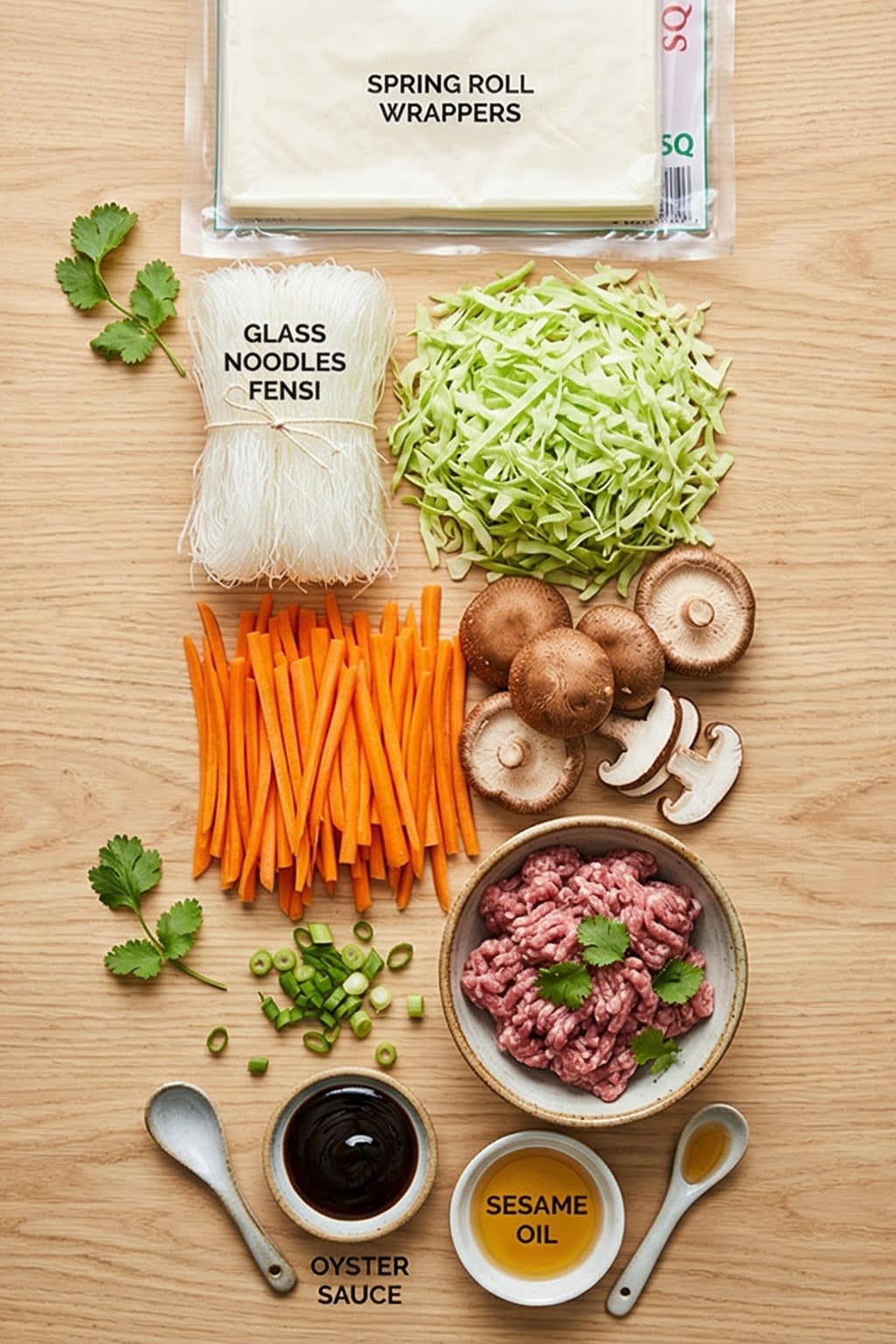
- 1 package (about 25 sheets) Frozen Spring Roll Pastry / Wrappers (春卷皮). (Thaw completely at room temperature under a damp towel so they don’t dry out!)
- The Glue: 1 tbsp Cornstarch mixed with 1 tbsp Water
The Authentic Filling:
- 1/2 lb (225g) Ground Pork or finely shredded pork loin. (For a vegetarian version, substitute with crumbled firm tofu!)
- 1 small bundle (about 1.5 oz) Mung Bean Glass Noodles (粉丝 - Fěnsī)
- 2 cups Green Cabbage (卷心菜), finely shredded
- 1 large Carrot, julienned into very thin matchsticks
- 4 fresh Shiitake Mushrooms (香菇), stems removed and thinly sliced
- 2 stalks Scallions (葱花), finely chopped
- 2 cloves Garlic, finely minced
The Savory Seasonings:
- 1 tbsp Light Soy Sauce (生抽)
- 1 tbsp Oyster Sauce (蚝油) - The umami powerhouse!
- 1 tsp Shaoxing Cooking Wine (绍兴酒)
- 1/2 tsp Toasted Sesame Oil (芝麻油)
- 1/2 tsp Sugar
- 1/4 tsp White Pepper powder (白胡椒粉)
The Frying:
- 4 cups high-heat Cooking Oil (peanut, canola, or vegetable oil)
🍳 Step-by-Step Instructions
1. Rehydrate the Noodles: Place the dry glass noodles (粉丝) in a bowl and cover them with boiling water. Let them soak for 5 minutes until soft and translucent. Drain them completely, and use kitchen scissors to cut them into small, 2-inch segments so they are easy to eat.
2. Stir-Fry the Filling: Heat 1 tablespoon of oil in a wok or large skillet over medium-high heat. Add the pork and stir-fry until cooked through. Add the minced garlic and scallions, stirring for 15 seconds until fragrant. Toss in the shredded cabbage, carrots, and shiitake mushrooms. Stir-fry aggressively for 2 minutes until the vegetables soften and reduce in volume.
3. Season and Cool (Crucial Step): Add the light soy sauce, oyster sauce, Shaoxing wine, sugar, white pepper, and sesame oil to the wok. Toss in the cut glass noodles. Stir everything together for 1 minute so the noodles absorb the sauces. There should be no liquid pooling at the bottom of the pan! Transfer the filling to a large baking sheet and spread it out. Let it cool completely to room temperature.

4. The Folding Geometry: Carefully peel off one paper-thin spring roll wrapper. Keep the rest covered with a damp kitchen towel!
- Lay the wrapper flat on your board like a diamond, with one corner pointing directly at you.
- Place 2 tablespoons of the cooled filling on the lower third of the wrapper. Shape it into a tight, horizontal log.
- Fold the bottom corner up and tightly over the filling, tucking the edge slightly underneath the meat to remove any air pockets. Roll it forward once.
- Fold the left and right corners tightly into the center, making it look like an open envelope.
- Dip your finger in the cornstarch “glue” and paint the top pointing corner.
- Roll the package tightly all the way to the top, pressing the glued corner down to seal it completely. Repeat!
5. Deep Fry to Golden Perfection: Heat your oil in a wok or deep Dutch oven to 350°F (175°C). Carefully drop 4 to 5 spring rolls into the hot oil. Do not overcrowd the pan! Fry them for 3 to 4 minutes, turning them occasionally with a spider strainer, until they are a beautiful, even golden brown.

6. Drain and Serve: Remove the spring rolls and place them on a wire cooling rack standing upright (this drains the oil better than laying them flat on paper towels, which makes the bottoms soggy). Let them cool for 3 minutes so the crust hardens. Serve hot with a side of Sweet Chili Sauce or Plum Sauce!
💡 Troubleshooting & Air Fryer Tips
- Why are my spring rolls greasy? Your frying oil was too cold! If the oil drops below 325°F (160°C), the wrapper will act like a sponge and soak up the grease before the crust can seal. Always use a thermometer and fry in small batches!
- How do I freeze them? Spring rolls are the ultimate meal-prep appetizer! Do not fry them first. Place the raw, tightly sealed rolls on a baking sheet in the freezer. Once rock solid, transfer to a Ziplock bag. You can deep fry them directly from frozen—just add 2 extra minutes to the cooking time.
- Can I Air Fry them? Yes! While deep-frying provides the ultimate shatteringly crisp texture, air frying is a great healthier alternative. Generously brush or spray the completely folded raw spring rolls with cooking oil on all sides. Air fry at 390°F (200°C) for 10-12 minutes, flipping halfway through, until golden and crispy.
📦 Shop Authentic Dim Sum Essentials
To capture the true, authentic texture of a Chinese restaurant spring roll, upgrading your pantry with these specific ingredients is a must. (As an Amazon Associate, ChinaCurator earns from qualifying purchases.)
- Mung Bean Glass Noodles (粉丝) - The absolute secret to absorbing excess moisture and keeping the filling perfectly dry and snappy.
- Lee Kum Kee Premium Oyster Sauce (蚝油) - Provides the rich, savory umami base for the filling.
- Asian Stainless Steel Spider Strainer - The best tool for safely scooping delicate pastry out of boiling hot oil without tearing it.
- Thai Sweet Chili Sauce - The universal, perfect sweet and slightly spicy dipping pairing for golden fried rolls.