🍅 Introduction: The Taste of Home
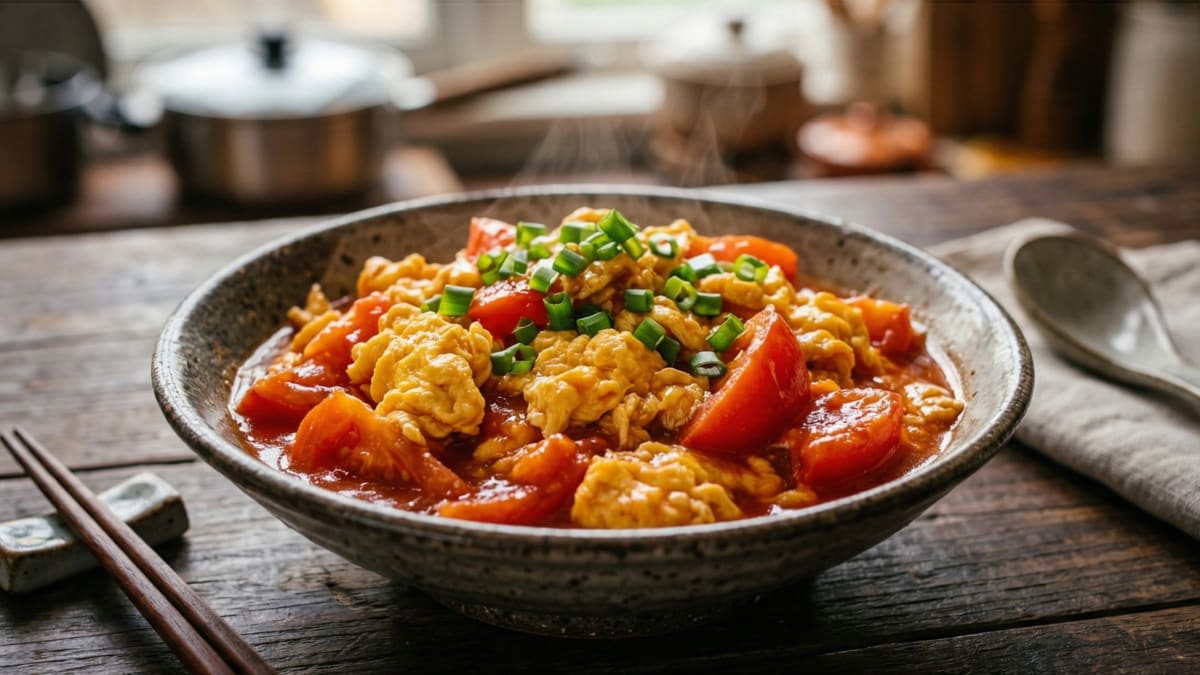
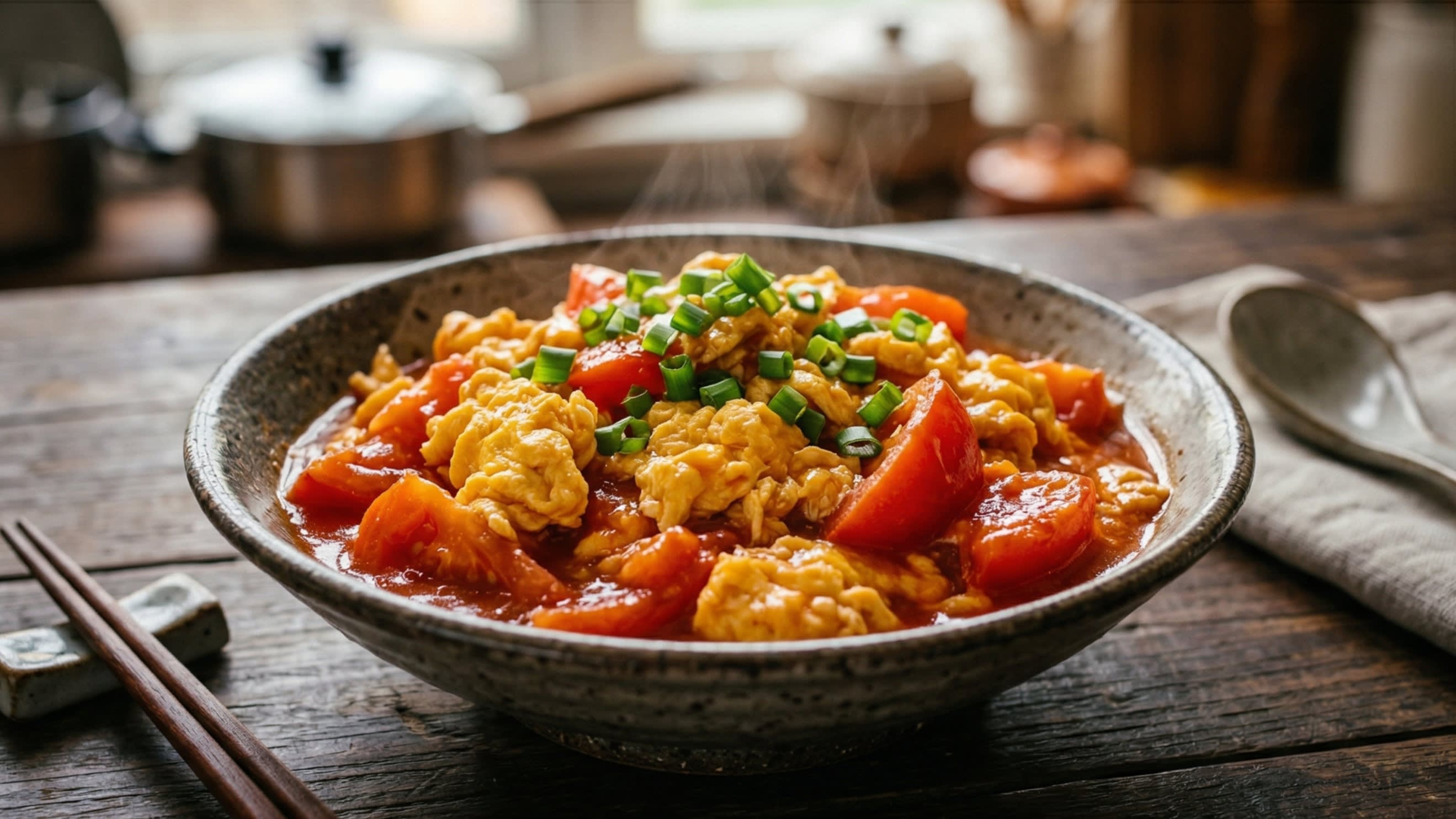
If you ask a traveler to name a famous Chinese dish, they will likely rattle off Peking Duck, Kung Pao Chicken, or Dim Sum. But if you ask a local here what dish defines their childhood, or what they cook when they’re exhausted after a long day at the office, the answer is overwhelmingly unanimous: Tomato and Egg Stir-fry (西红柿炒鸡蛋 - Xīhóngshì chǎo jīdān).
In the bustling kitchens of southern China, you might hear it referred to as Fānqié chǎo dàn (番茄炒蛋). Regardless of the dialect, this is the undisputed, unofficial national dish of the Middle Kingdom. It isn’t found on the menus of high-end, tourist-focused banquet halls; instead, it is the heartbeat of the home kitchen.
This dish is the ultimate comfort food. It is quite literally the very first recipe every Chinese child learns to cook before leaving for university. It requires no exotic ingredients, no complex marination, and absolutely no professional knife skills. Within 15 minutes, you can transform the humblest pantry staples into a vibrant, umami-rich masterpiece that pairs flawlessly with a steaming bowl of fluffy white rice. When you scoop those luscious, sweet-and-savory tomato juices and tender egg curds over your grains, you are creating a simple meal known as Gàijiāofàn (盖浇饭). It is pure, unadulterated nostalgia in a bowl.
🔬 The Culinary Science: The Alchemy of Umami
You might be wondering: How can a simple combination of tomatoes and eggs taste so extraordinary? The answer lies in food chemistry, specifically the fascinating synergy of umami.
Tomatoes are naturally packed with glutamates, the same building blocks that give soy sauce and Parmesan their savory depth. Eggs are equally rich in protein and specific amino acids. When you introduce these ingredients into a scorching-hot carbon steel wok, they undergo a flavor multiplier effect. The acidity of the tomato juice breaks down just enough to coat the fluffy egg curds, creating a dish that feels decadent and satisfying without ever requiring a single drop of meat stock.
The Great Culinary Divide: Sweet vs. Savory
Before your spatula hits the pan, you need to navigate the most intense culinary debate in China: Should this dish be sweet or salty?
- The Northern Style (Salty/Savory): In the north, the dish is strictly savory. Cooks focus on garlic, scallions, salt, and sometimes a dash of light soy sauce to highlight the sharp, natural tang of the tomatoes.
- The Southern Style (Sweet): In regions like Shanghai and Guangdong, the dish leans noticeably sweet. A generous dusting of sugar is essential.
Which one is better? I strongly recommend the southern approach. Adding sugar doesn’t make the dish a dessert; rather, it acts as a counterbalance, cutting through the sharp acidity of the tomatoes and enhancing their natural fruitiness. The result is a more complex, addictive flavor profile that creates a beautiful, glossy sauce. If you enjoy this balance, you might also appreciate the complex harmony in my Authentic Sichuan Mapo Tofu or the savory-sweet notes of Authentic Cantonese Char Siu.
🛒 Ingredients List
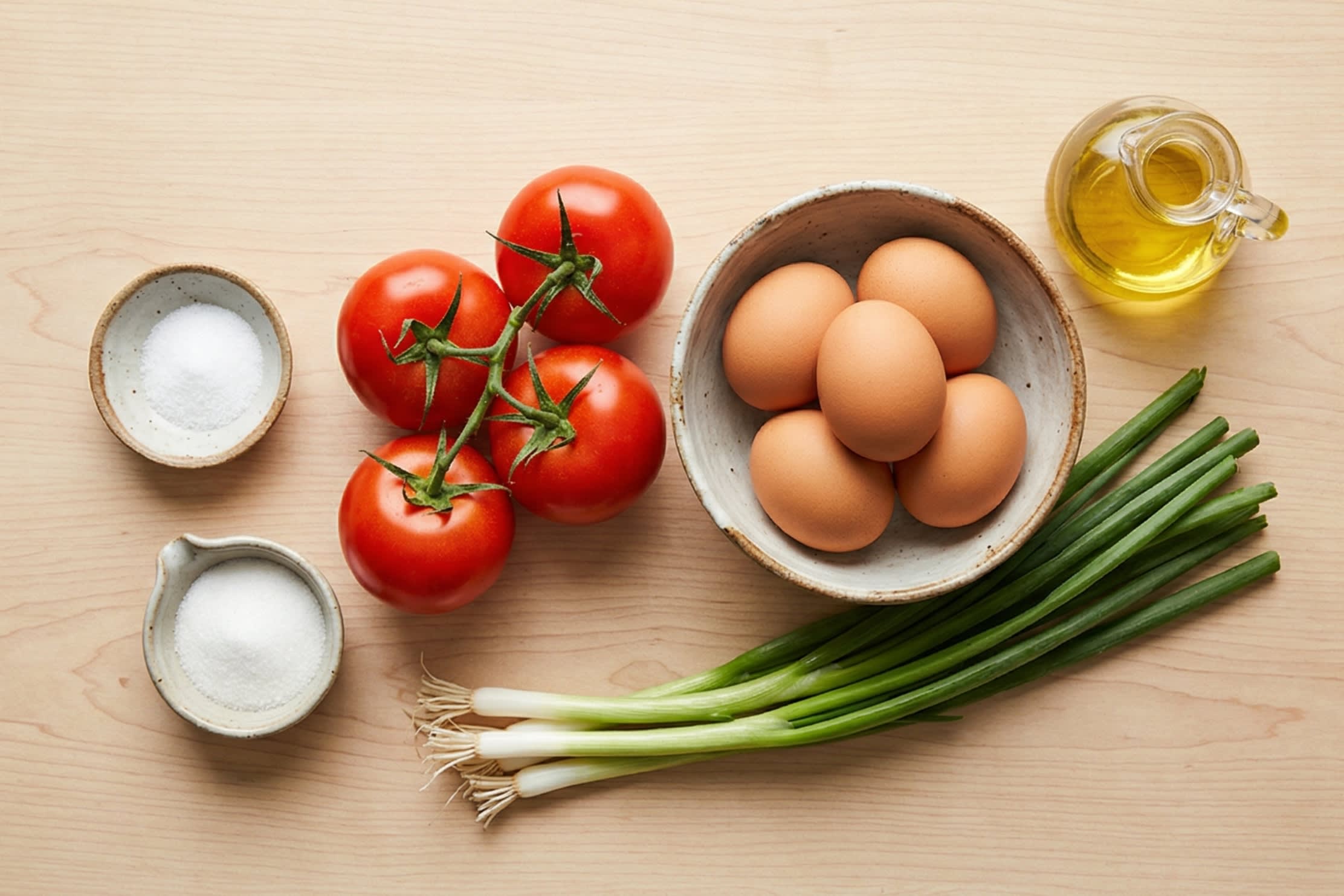
To make a truly exceptional stir-fry, quality matters. Seek out the ripest, reddest tomatoes you can find—the ones that feel heavy for their size and have a deep, earthy aroma.
| Ingredient | Chinese (Pinyin) |
|---|---|
| 4 Medium Ripe Tomatoes | 西红柿 (Xīhóngshì) |
| 4 Large Eggs | 鸡蛋 (Jīdān) |
| 2 Stalks Scallions | 葱花 (Cōnghuā) |
| Seasonings | Salt, Sugar, Ketchup, Sesame Oil |
Essential Pantry Additions: To get that authentic restaurant finish, consider using Kadoya Toasted Sesame Oil at the very end. The toasted nutty aroma is the perfect bridge between the eggs and the bright tomato base.
🍳 Step-by-Step Instructions
The biggest mistake beginners make is cracking the eggs directly into the cooking tomatoes. This results in a cloudy, unappetizing scramble. To get distinct, fluffy golden egg curds that contrast beautifully with a rich red sauce, you must cook them separately.
1. Prep the Foundation: Wash your tomatoes and slice them into 1-inch wedges. If you prefer a more refined, “melt-in-your-mouth” texture, you can peel them first by dropping them in boiling water for 30 seconds. In a mixing bowl, crack your eggs. Add a pinch of salt and a tablespoon of cold water—this is my personal secret for fluffier, lighter curds. Beat them vigorously with a fork until they are perfectly combined and slightly frothy.
2. The Golden Scramble: Heat your wok over high heat until it smokes slightly. Add 2 tablespoons of oil. When the oil ripples, pour in the eggs. They should bubble and puff instantly. After about 3 seconds, use a bamboo wok spatula to push the edges toward the center. Once they are 80% cooked but still slightly glossy and runny, pull them off the heat and transfer them to a clean plate. Do not overcook them; they will finish cooking in the sauce later.
3. Aromatics and The Breakdown: Using the same wok, add a final tablespoon of oil. Toss in the white parts of your scallions. Once they release that sharp, oniony perfume, drop in the tomato wedges.
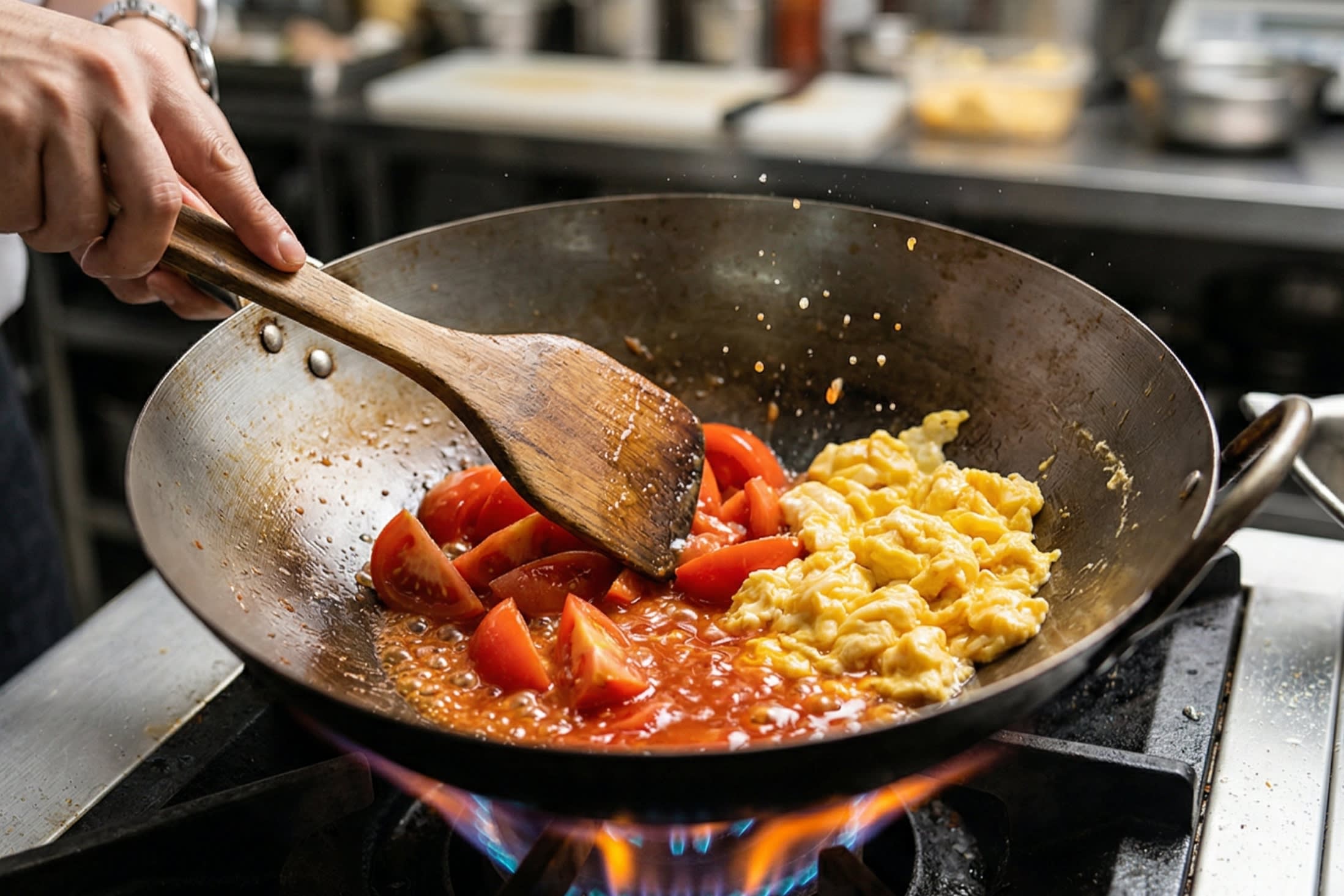
4. Creating the Sauce: Turn the heat to medium-high. Gently press the tomatoes with your spatula to release their juices (汤汁 - Tāngzhī). As they soften and bubble, stir in your salt, sugar, and the secret teaspoon of ketchup. The ketchup adds that punch of concentrated tomato flavor that really makes the dish sing.
5. The Reunion: Slide the fluffy eggs back into the wok. Gently fold them into the tomatoes for just 30 to 45 seconds. Let them act like a sponge, soaking up every drop of that savory red liquid.
6. The Final Flourish: Kill the heat. Drizzle in a few drops of toasted sesame oil and scatter the green scallions over the top for a fresh, grassy finish. Serve immediately.
💡 Pro Tips for the Home Chef
- Winter Tomatoes: If you are cooking in the off-season and your tomatoes taste watery, do not skip the ketchup! It provides the concentrated acidity that store-bought winter produce lacks.
- Textural Balance: The addition of 1 tablespoon of water to the egg mixture creates steam as they hit the oil, resulting in a soft, airy texture (软嫩 - Ruǎnnèn) that you just don’t get from plain eggs.
- Serving Ideas: While this is a staple for a quick weeknight dinner, try it over wheat noodles for a traditional dish called Dǎlǔmiàn (打卤面). It is surprisingly good on toast, too. If you are interested in more 15-minute classics, you might also like my Authentic Chinese Egg Fried Rice.
Enjoy the simplicity and the history in every bite of this humble, perfect dish.
Disclaimer: As an Amazon Associate, ChinaCurator earns from qualifying purchases.