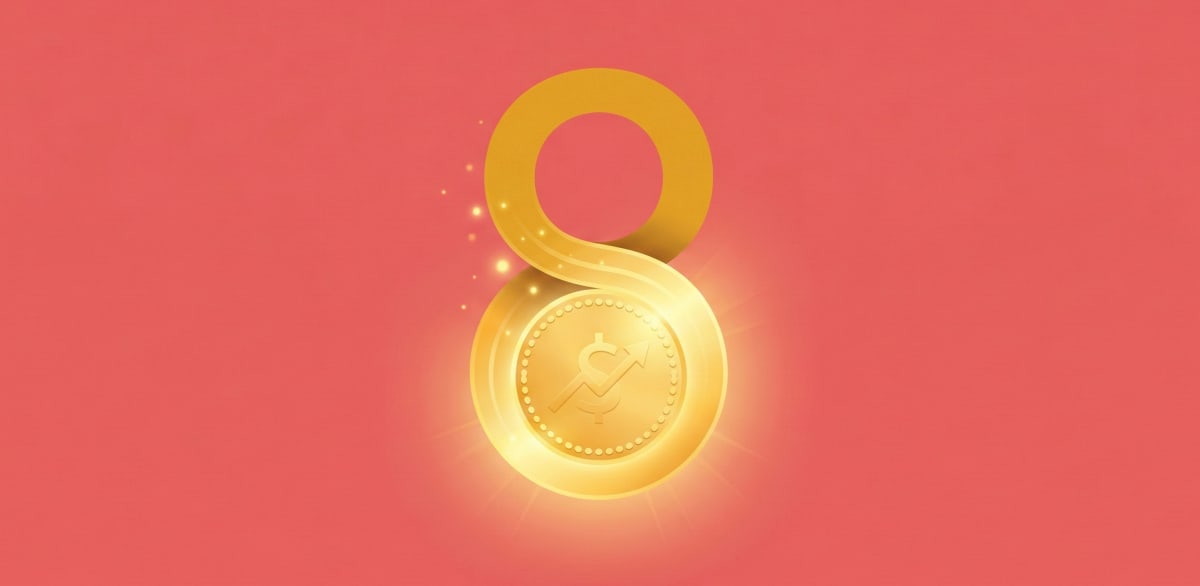
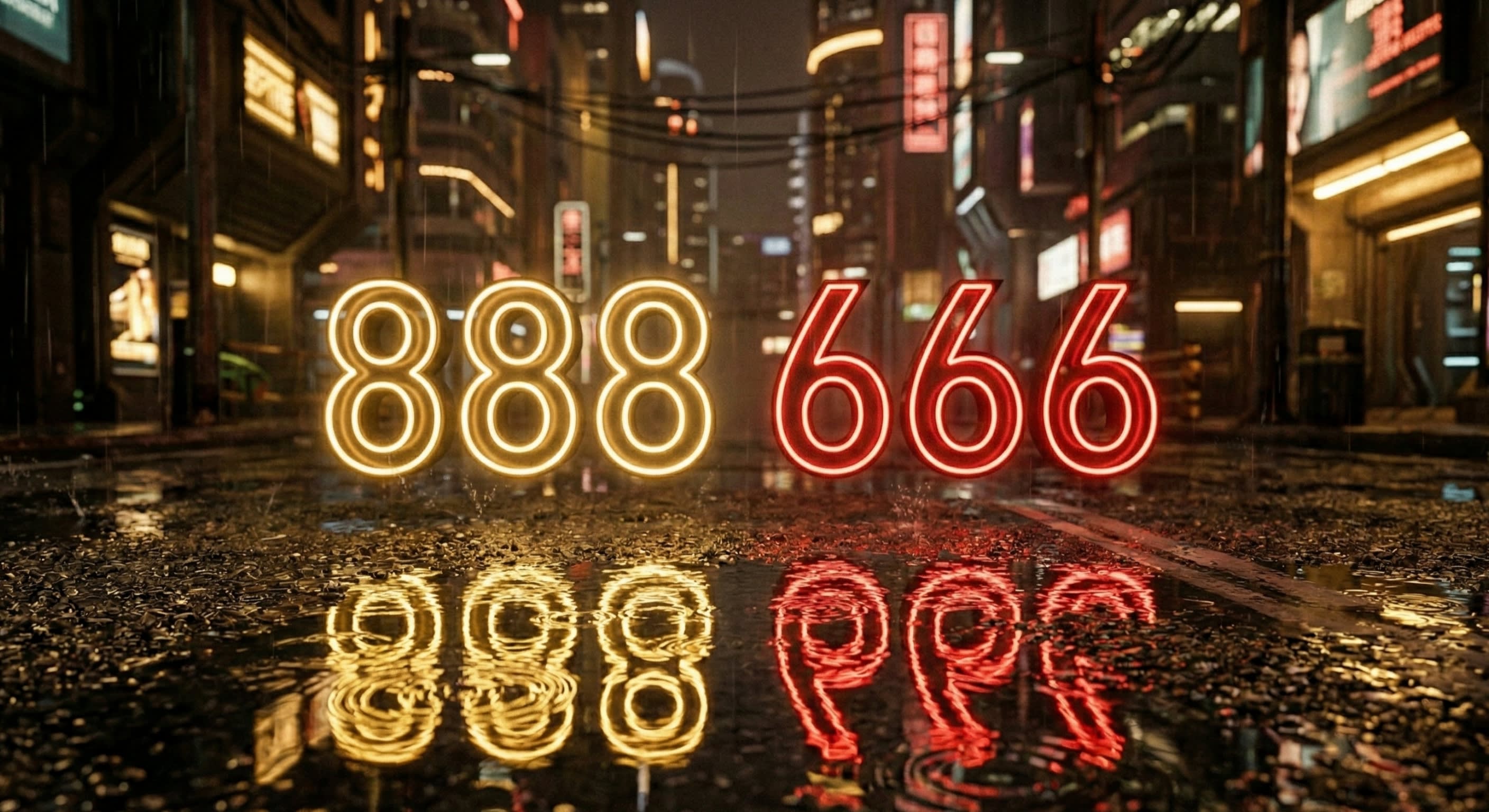
Numbers in the West are generally just tools for counting. Aside from the occasional superstition around the number 13, a digit is just a digit. In China, however, numbers are a vibrant, high-stakes language of their own. They dictate how buildings are designed, how wedding dates are chosen, and how billions of dollars of business deals are priced.
The core of Chinese numerology is based on xiéyīn (谐音), which means “homophony.” If a number sounds like a positive word, it brings good fortune. If it sounds like a negative word, it is avoided at all costs.
Understanding this numerical matrix is essential. Whether you are assigning IP addresses for a home NAS network, choosing a wedding date, or mapping out the floor plan for a corporate headquarters, getting the numbers wrong can cause genuine friction. Here is your ultimate guide to decoding the digital superstitions of modern China.
1. The Unlucky “4”: The Voldemort of Digits
Let us start with the most infamous number in Chinese culture: sì (四), the number 4.
The pronunciation of the number 4 (sì) sounds almost identical to the word for death (sǐ 死), differing only in the tone. Because of this, the number 4 is considered extremely inauspicious.
When drafting the technical specifications for a multi-floor office renovation—especially when modernizing an older building whose layout hasn’t been touched since 2005—you will immediately encounter the spatial logic of Chinese numbers. In many commercial and residential buildings, the 4th floor simply does not exist.
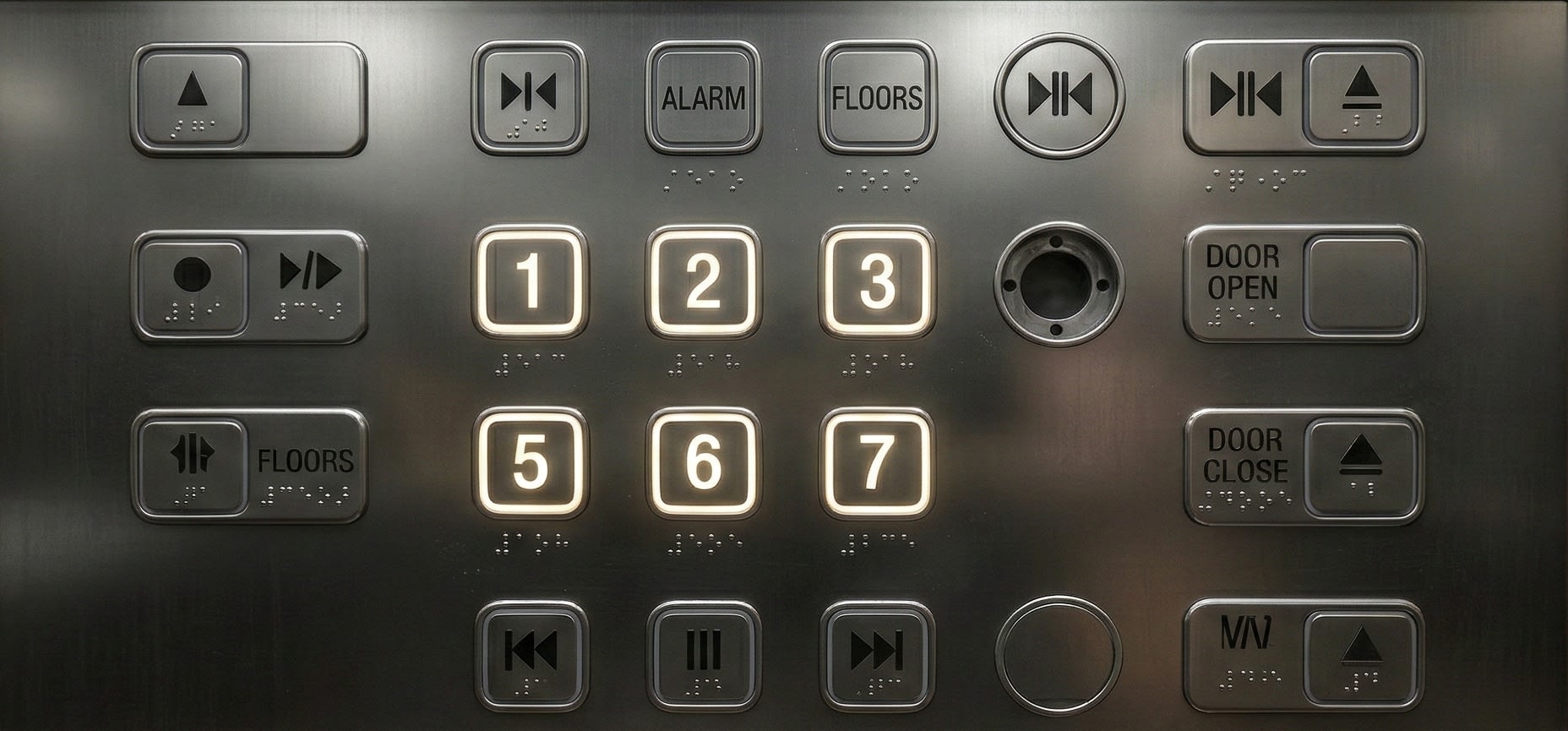
- The Elevator Reality: If you step into an elevator in China, you will often see the buttons jump from 3 straight to 5. If the floor physically exists, it is frequently renamed as “3A” to avoid printing the dreaded digit.
- Business Etiquette: Never give a gift in a set of four. If you are gifting high-end tea or a set of Wenwan collectibles, give them in pairs, sets of six, or sets of eight.
2. The Golden “8”: The Ultimate Status Symbol
On the exact opposite end of the spectrum is the number 8, bā (八). In Mandarin and many southern dialects like Cantonese, bā sounds very similar to fā (发), which is short for fācái (发财)—meaning “to become wealthy” or “to prosper.”
The number 8 is the gold standard of luck. When China hosted the Beijing Olympics, the opening ceremony was meticulously scheduled to begin on August 8, 2008, at exactly 8:08 PM (08/08/08 08:08).
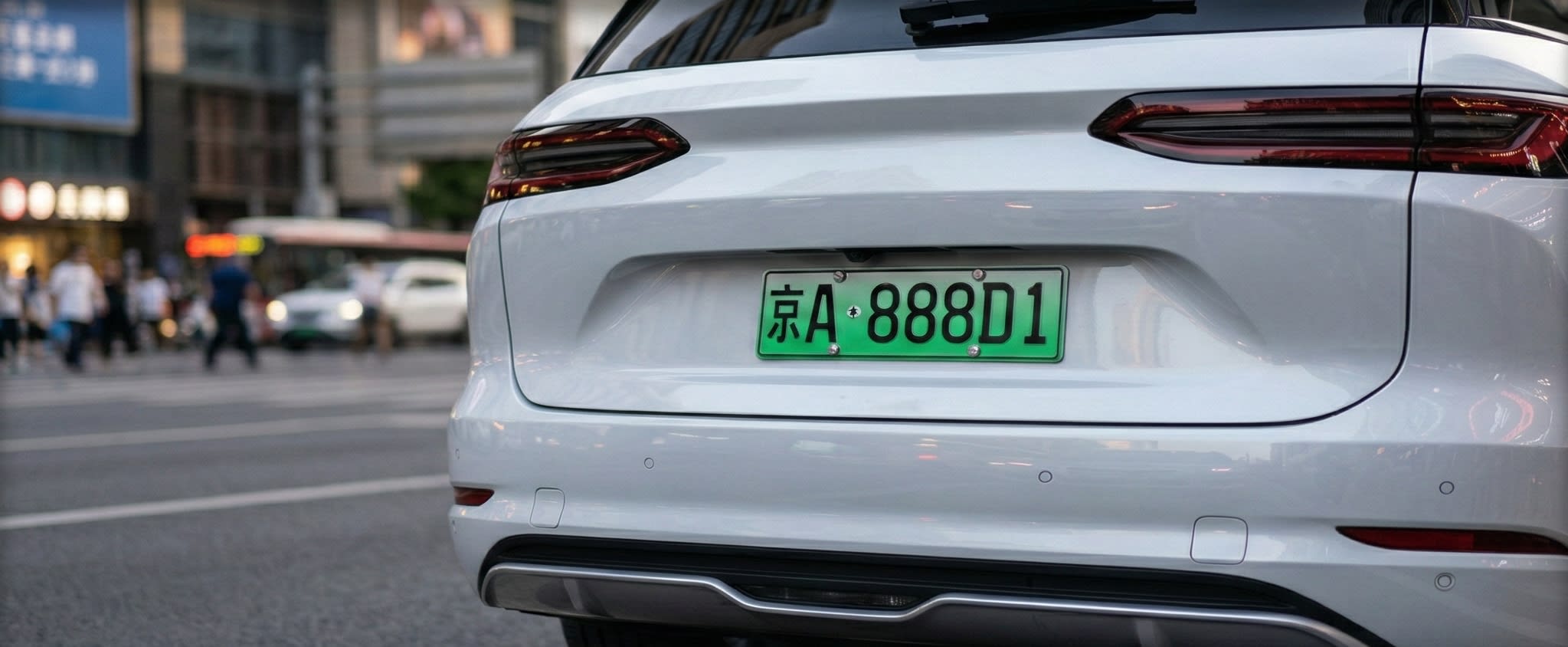
- The License Plate Premium: In 2026, when someone registers a brand new all-wheel-drive electric vehicle, they will often pay a massive premium at the local vehicle management office to secure a license plate loaded with 8s. A plate like “A88888” is the ultimate flex of wealth and social status.
- Pricing Strategy: Look at any menu, supermarket shelf, or e-commerce website. Prices rarely end in .99 as they do in the West. Instead, they end in .88. A promotional item won’t be $10.00; it will be jiǔ kuài bā (9.8 RMB).
3. The Smooth “6”: From Idioms to Internet Slang
The number 6, liù (六), is highly favored because it sounds like the word for “smooth” or “flowing” (liū 溜). It is associated with the ancient idiom liùliù dàshùn (六六大顺), which means “everything goes smoothly.” People love choosing the 6th floor for offices because it implies that business operations will face no friction.
However, in the digital era, the number 6 has taken on a massive second life as internet slang.
If a developer flawlessly troubleshoots a complex display bug on a website, or a gamer pulls off an incredible move, the chat will be instantly flooded with “666” (liù liù liù).
- The Meaning: In internet slang, “666” does not mean the devil. It means “Awesome,” “Incredible,” or “Smooth execution.” It is the highest form of casual praise you can give someone online.
- How to use it: “You finished that code in one hour? Tài liù le!” (太6了!- That’s so awesome!)
4. The Romantic “9”: Built to Last
The number 9, jiǔ (九), sounds exactly the same as the word for “long-lasting” or “eternal” (jiǔ 久). Because of this acoustic match, the number 9 is heavily associated with romance and longevity.
- Weddings and Flowers: If you are buying a bouquet of roses for a romantic partner, you don’t buy a dozen (12). You buy 99 roses, symbolizing a love that will last forever (chángcháng jiǔjiǔ 长长久久).
- Historical Architecture: The number 9 was historically reserved for the Emperor, representing his eternal rule. If you visit the Forbidden City in Beijing, you will notice that the doors have 9 rows of 9 brass studs, and legend says the complex has exactly 9,999 rooms.
5. The Secret Code of Digital Romance (and Insults)
Because typing Chinese characters on older mobile phones used to be slow, netizens developed an entire shorthand language using number homophones. In 2026, these numerical codes are still used heavily in text messages, red envelopes (Hongbao), and online passwords.
| Number Code | Pinyin | Sounds Like... | Meaning |
|---|---|---|---|
| 520 | wǔ èr líng | wǒ ài nǐ (我爱你) | "I love you." (May 20th is now China's unofficial Valentine's Day). |
| 1314 | yī sān yī sì | yīshēng yīshì (一生一世) | "For one life and one world" (Forever). Often paired as 5201314. |
| 88 | bā bā | Bye Bye (拜拜) | A quick way to sign off a chat message. |
| 250 | èr bǎi wǔ | N/A (Historical context) | An idiot or a fool. Never gift someone exactly 250 RMB! |
6. Hand Gestures: The Silent Numbers
If you are at a crowded night market trying to order street food, or sitting in a noisy bar, verbal communication might fail you. The Chinese have developed a one-handed gesture system for the numbers 1 through 10, allowing for silent, instant communication.
While 1 through 5 are straightforward, 6 through 10 require practice.
- The Number 6: Extend your thumb and pinky finger, folding your middle three fingers down (it looks exactly like the “Hang Loose” or “Shaka” sign in surf culture).
- The Number 8: Extend your thumb and index finger like a gun, pointing the index finger forward.
- The Number 10: Cross your index fingers to make a plus sign (+), which visually represents the Chinese character for ten (shí 十).

Final Thoughts
Numbers in China are a complex web of cultural heritage, modern ambition, and playful internet slang. They reveal a society that deeply respects ancient traditions while constantly innovating in the digital space.
By paying attention to these digits—whether you are pressing a button in an elevator, sending a digital red envelope, or commenting “666” on a friend’s post—you show a level of cultural fluency that goes far beyond textbook vocabulary. You are no longer just speaking the language; you are reading between the lines.
Fascinated by the nuances of Chinese digital life? Dive deeper into the matrix by learning the most authentic 2026 Internet Slang or discover how to apply this knowledge when Talking to Your Didi Driver.

