
If you have spent months diligently studying textbook Mandarin, opening a Chinese social media app like Xiaohongshu (RED) or browsing WeChat Moments in 2026 can be a humbling experience. You might know all the grammar rules, but the actual language people use online looks like a secret code.
Language evolves at the speed of light on the Chinese internet. Words that meant one thing a decade ago have been repurposed to describe the unique pressures, joys, and social dynamics of modern life. If you want to communicate with young professionals, understand local memes, or simply figure out what the comments on your favorite website mean, you need to learn wǎngluò yòngyǔ (网络用语)—internet slang.
This guide will break down the most authentic, widely used slang terms in 2026. These are not passing fads; they are words that over 80% of Chinese people use in their daily lives to express how they feel about work, friendship, and society.
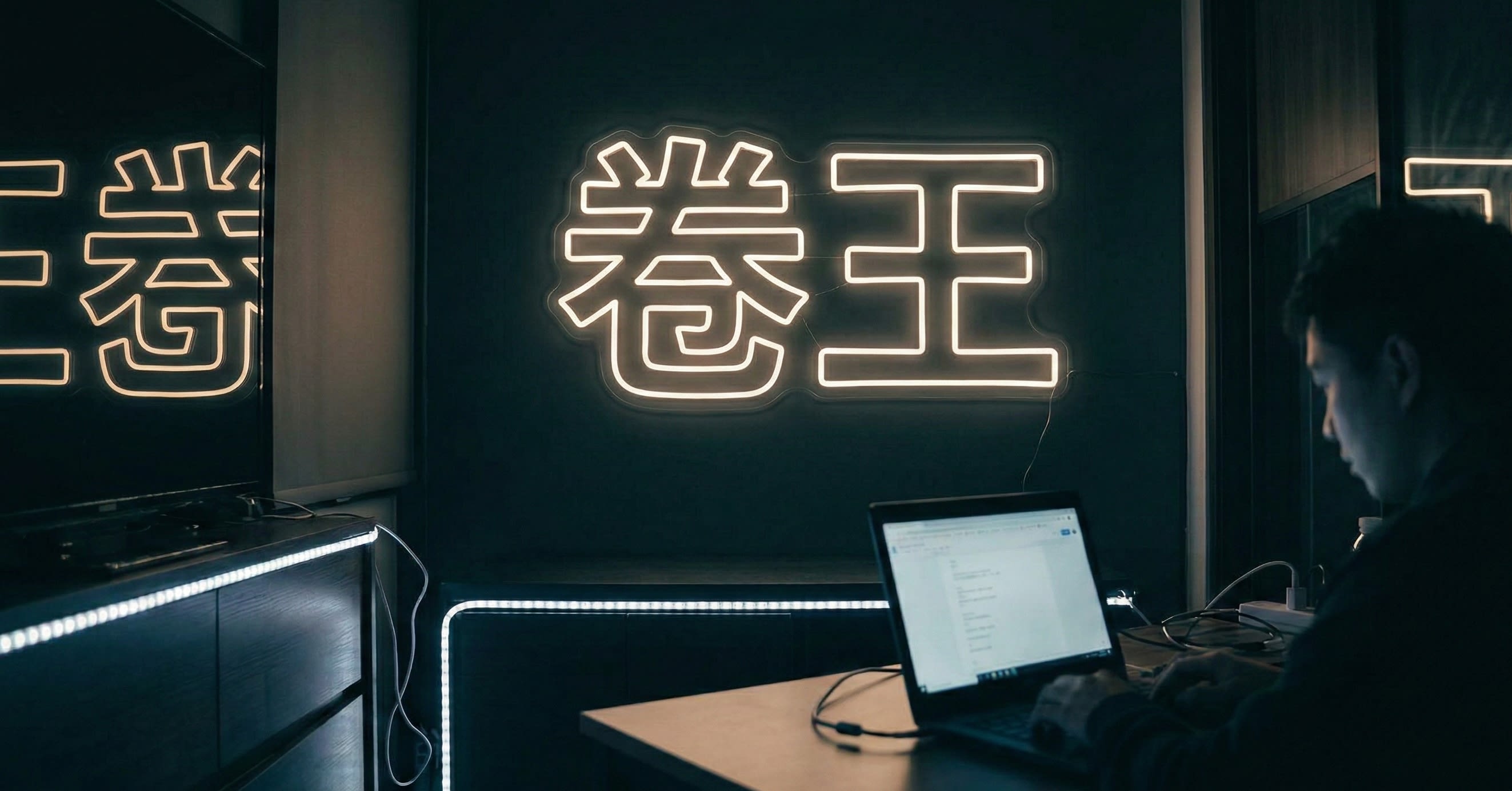
1. The Workplace Reality: Juǎn (卷) vs. Tǎngpíng (躺平)
To understand modern China, you must understand the tug-of-war between two opposing philosophies: working too hard, or not working at all.
Juǎn (卷) - The Endless Rat Race
Literally meaning “to roll” or “curl up,” juǎn is short for nèijuǎn (内卷), or “involution.” It describes a situation of intense, irrational, and often meaningless competition.
Imagine you are a project manager overseeing a massive, multi-floor office renovation. You ask a contractor for a proposal. To outdo the competition, they promise to finish the 4th, 5th, 6th, and 7th floors in half the realistic time, forcing their workers to sleep on-site. Then, another contractor offers to do it even faster. No one actually benefits; everyone is just exhausted. That is the definition of juǎn.
- How to use it: “My coworkers stay at the office until 10 PM every night just to look busy. Tài juǎn le!” (太卷了!- It’s too competitive!)
Tǎngpíng (躺平) - Lying Flat
The opposite of juǎn is tǎngpíng, which translates to “lying flat.” It is the ultimate form of passive resistance against the rat race. When a young professional decides they no longer want to fight for promotions, buy a massively expensive apartment, or work 996 (9 AM to 9 PM, 6 days a week), they choose to tǎngpíng. It means lowering your desires and living a simple, low-pressure life.
- How to use it: “After troubleshooting display code for
chinesecurator.comall week, I just want to sit in my car and tǎngpíng this weekend.”

2. The Social Dynamics: i-rén (i人) and e-rén (e人)
If you ask a young Chinese person what their zodiac sign is in 2026, they might laugh. Today, everyone uses the Myers-Briggs Type Indicator (MBTI) to define their social personality, specifically the first letters: “I” (Introvert) and “E” (Extrovert).
This has morphed into a massive cultural phenomenon.
- i-rén (i人): The introverts. An i-rén loves staying at home, deeply values personal space, and finds large social gatherings draining. They are the ones happily setting up their home NAS (Network Attached Storage) servers in peace and quiet rather than going to a noisy bar.
-
e-rén (e人): The extroverts. The life of the party, the social butterflies who thrive on interaction and group activities.
- How to use it: “I can’t go to that massive networking event, I am a massive i-rén.” (我是一个纯粹的i人。)
3. The Modular Friendship: Dāzi (搭子)
As people get busier and society gets more fragmented, maintaining deep, traditional friendships requires a lot of emotional energy. Enter the dāzi (搭子)—the activity partner.
A dāzi is someone you hang out with for one specific, mutual interest, without the pressure of a deep emotional commitment. It is a “modular” friendship. You don’t need to know about their childhood trauma; you just need to know they show up on time.
- Fàn dāzi (饭搭子): Your meal partner. You both love spicy hot pot, so you eat together every Friday, but rarely talk outside of lunch.
- Wénwán dāzi (文玩搭子): Your hobby partner. You meet up to discuss the patina on your Wenwan gourds or bodhi seeds, share cleaning techniques, and then go your separate ways.
-
Lǚyóu dāzi (旅游搭子): Your travel partner. You split the hotel costs and take photos for each other, but respect each other’s alone time.
- How to use it: “I really want to go try that new street food market, but I don’t have a fàn dāzi.” (我缺个饭搭子。)

4. Emotional Extremes: Zhòngcǎo and Pòfáng
When browsing Chinese social media or dealing with the ups and downs of daily life, you need words to express extreme emotion.
Zhòngcǎo (种草) - Planting Grass
This has nothing to do with gardening. Zhòngcǎo means to be heavily influenced by someone else’s recommendation to desire a product or experience. When you see a beautiful video of someone brewing tea in the mountains and you suddenly need to buy that exact teapot, grass has been “planted” in your mind.
- How to use it: “Your article about the quiet streets of Quanzhou really zhòngcǎo me. I want to go there now.” (我被种草了!)
- (Note: To “pull the grass” or bácǎo 拔草 means to finally buy the item and satisfy the craving).
Pòfáng (破防) - Defenses Broken
Originating from the gaming community (when a player’s armor or defense is destroyed), pòfáng has crossed over into mainstream slang. It means to be emotionally overwhelmed. It can be used negatively (you are so frustrated you could cry) or positively (you are so touched by a kind gesture that you tear up).
If you are stuck in traffic for two hours in your Tesla Model Y while the battery is low, and someone cuts you off, you might feel pòfáng.
- How to use it: “Watching that documentary about ancient architecture really made me pòfáng.” (我直接破防了。)
5. The Slang Survival Cheat Sheet
| Slang Term | Pinyin | Literal Meaning | Actual Meaning (2026) |
|---|---|---|---|
| 卷 | juǎn | To roll | Intense, exhausting, and often pointless competition. |
| 躺平 | tǎngpíng | Lying flat | Quitting the rat race; embracing a low-pressure lifestyle. |
| 搭子 | dāzi | Companion | A partner for a specific activity (e.g., eating, hobbies). |
| 种草 | zhòngcǎo | Planting grass | To strongly desire a product after seeing a recommendation. |
| 破防 | pòfáng | Defenses broken | To be emotionally overwhelmed (touched or triggered). |
6. A Note on Digital Body Language (Emojis)
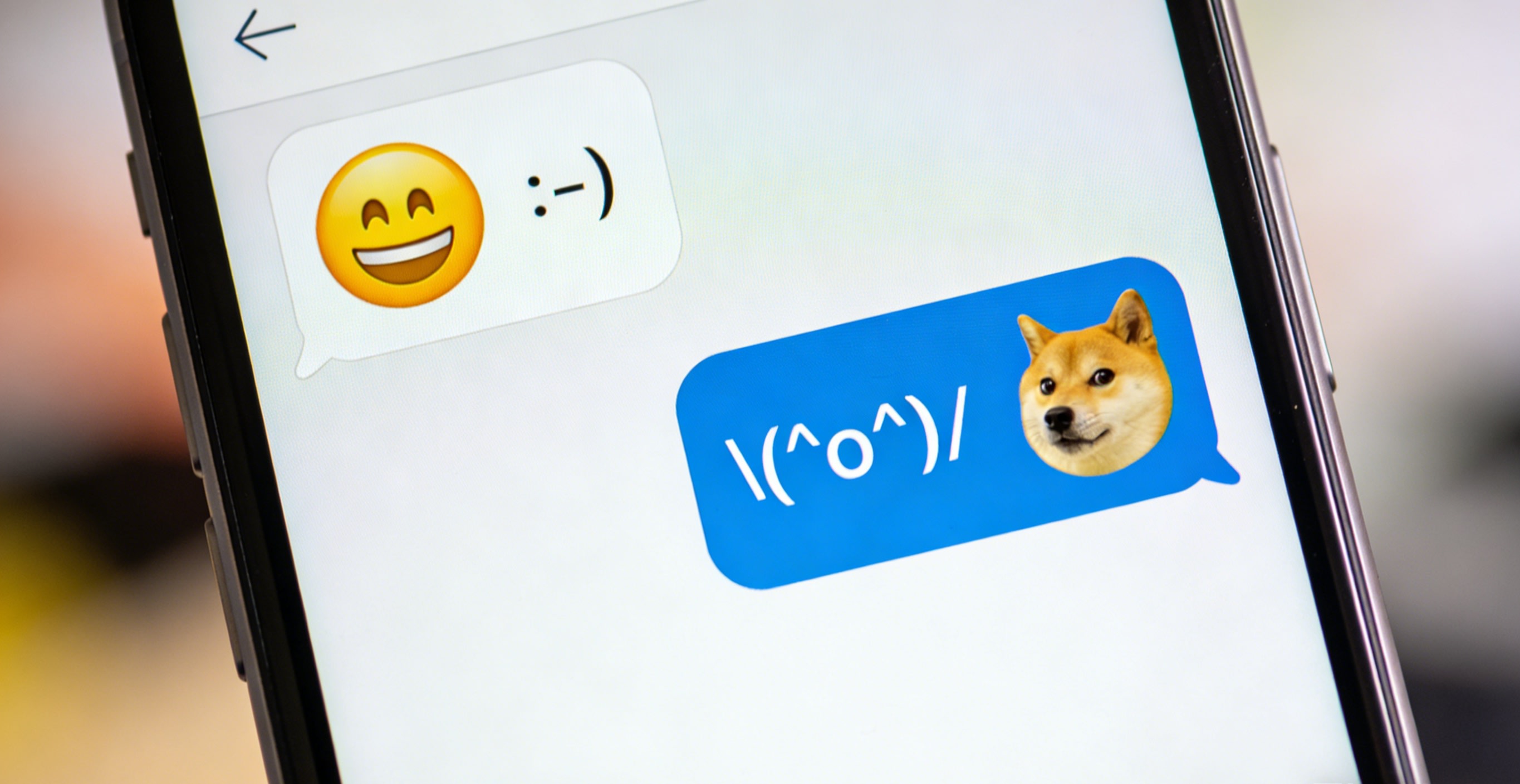
Finally, if you are texting a local friend or a colleague, beware of WeChat emojis. The meanings have shifted drastically.
- The Smile Emoji (🙂): In the West, this is a polite smile. In China, this emoji is practically a declaration of war. It implies passive-aggression, sarcasm, or “I am smiling but I am actually dead inside.” Never send this to your boss.
- The Doge Face (🐶): Appending the Shiba Inu dog face to the end of a sentence means you are joking or being sarcastic. It softens the blow of a harsh statement.
Final Thoughts
Language is a living, breathing thing, and Chinese internet slang is the pulse of modern society. By sprinkling terms like dāzi or admitting you are an i-rén into your conversations, you show locals that you don’t just know how to speak Chinese—you actually understand how they live.
So the next time life gets a little too juǎn, find yourself a good dāzi, grab a cup of tea, and embrace the art of tǎngpíng.
Ready to test your new vocabulary in the real world? Learn how to confidently navigate the city in our guide to Talking to Your Didi Driver Without Panicking.

